
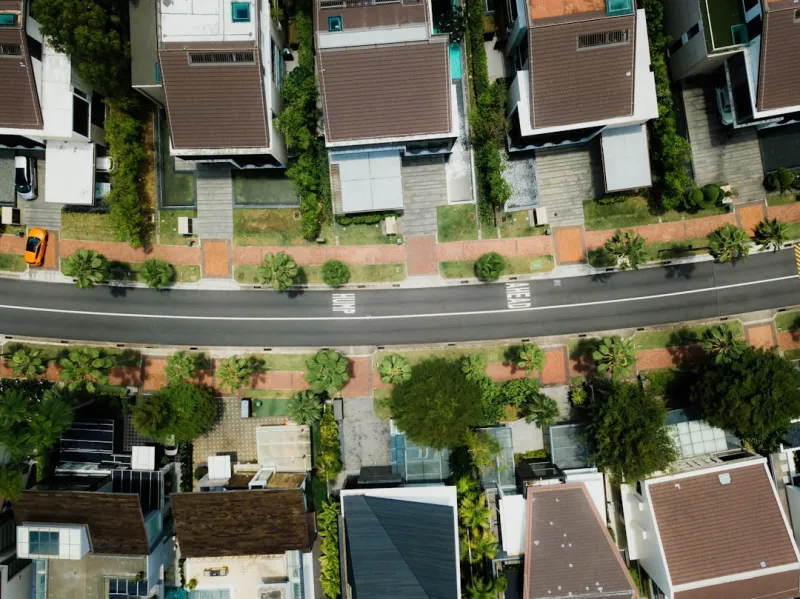
The Intersection of Landscaping and Sustainable Home Design
As a homeowner, you may be aware of the importance of sustainable home design and its impact on the environment. However, have you considered the role that landscaping plays in achieving a sustainable home? Landscaping is not just about aesthetics; it's also about creating a functional and eco-friendly outdoor space that complements your home's design. In this article, we'll explore the intersection of landscaping and sustainable home design, and provide you with practical tips on how to create a beautiful and sustainable outdoor space.
The Benefits of Sustainable Landscaping
Sustainable landscaping offers numerous benefits, including reduced water consumption, lower energy bills, and improved air quality. By incorporating native plants, rain gardens, and efficient irrigation systems, you can significantly reduce your water usage and create a haven for local wildlife. Additionally, sustainable landscaping can help to mitigate the urban heat island effect, reducing the temperature in your neighborhood and improving air quality. For more information on sustainable home design, check out The Intersection of Lawn Care and Sustainable Home Design.
Key Elements of Sustainable Landscaping
So, what are the key elements of sustainable landscaping? Native plants are a crucial component, as they require less water and maintenance than non-native species. Rain gardens and bioswales are also effective ways to manage stormwater runoff, reducing the burden on municipal drainage systems. Efficient irrigation systems, such as drip irrigation and smart controllers, can help to minimize water waste and ensure that your plants receive the right amount of moisture. Finally, mulch and compost can help to retain moisture, suppress weeds, and improve soil health.
The Role of Trees in Sustainable Landscaping
Trees play a vital role in sustainable landscaping, providing shade, oxygen, and habitat for local wildlife. When selecting trees for your landscape, consider native species that are well-suited to your climate and soil type. Tree placement is also critical, as trees can help to reduce energy bills by providing shade and blocking wind. For more information on the role of trees in sustainable home design, check out The Role of Trees in Sustainable Home Design.
Sustainable Landscaping Practices
In addition to incorporating sustainable elements into your landscape, it's also essential to adopt sustainable practices. Organic gardening methods, such as using natural pest control and fertilizers, can help to minimize environmental impact. Water conservation is also critical, as every gallon counts. Consider harvesting rainwater and using it to irrigate your plants. Finally, reduce, reuse, recycle by repurposing materials and minimizing waste.
The Importance of Sustainable Lawn Care
Lawn care is an essential aspect of sustainable landscaping. Sustainable lawn care practices, such as using native grasses and organic fertilizers, can help to minimize environmental impact. Mowing and pruning techniques can also make a significant difference, as they can help to reduce energy consumption and promote healthy plant growth. For more information on sustainable lawn care practices, check out The Importance of Sustainable Lawn Care Practices.
Conclusion
In conclusion, sustainable landscaping is a critical component of sustainable home design. By incorporating native plants, rain gardens, and efficient irrigation systems, you can create a beautiful and eco-friendly outdoor space. Remember to adopt sustainable practices, such as organic gardening and water conservation, to minimize environmental impact. By taking a holistic approach to landscaping, you can create a sustainable home that benefits both you and the environment.
Final Tips and Recommendations
Finally, here are some final tips and recommendations for creating a sustainable landscape:
- Start small and gradually incorporate sustainable elements into your landscape.
- Choose native plants that are well-suited to your climate and soil type.
- Harvest rainwater and use it to irrigate your plants.
- Reduce, reuse, recycle by repurposing materials and minimizing waste.
By following these tips and recommendations, you can create a sustainable landscape that benefits both you and the environment.
Additional Resources
For more information on sustainable landscaping and home design, check out the following resources:
- The Intersection of Lawn Care and Sustainable Home Design
- The Role of Trees in Sustainable Home Design
- The Importance of Sustainable Lawn Care Practices
By taking the time to learn about sustainable landscaping and home design, you can create a beautiful and eco-friendly outdoor space that benefits both you and the environment.

David MacKinnon is a dynamic freelance writer known for his captivating storytelling and keen insights into the world of technology. With a passion for exploring the intersection of innovation and everyday life, he crafts engaging narratives that not only inform but also inspire his readers.
Related Posts
Regenerative Commercial Landscapes: Turning Pavement Into Living Assets
A deep dive into regenerative landscaping for commercial sites, revealing how modular drainage, prec... Read More
Harvesting Value: How Edible Landscaping Transforms Commercial Spaces
Edible landscaping turns corporate courtyards and rooftops into productive gardens that cut catering... Read More

Rewilding the Front Yard: Turning Your Landscape into a Living Asset
A deep dive into rewilding residential yards—focus on soil health, layered planting, water managem... Read More
Top Posts

The Water-Saving Revolution: Sustainable Plumbing Solutions for a Greener Future
Learn about the latest sustainable plumbing solutions to conserve water and promote a greener future, from eco-friendly fixtures to greywater systems and rainwa...Read More

Parametric Façades: The New Frontier of Adaptive Aesthetics
Parametric façades blend algorithmic design with real‑time performance, delivering energy efficiency, visual dynamism, and human‑centric comfort—paving t...Read More
Transforming My Basement: A Sustainable Renovation Journey
A hands‑on walkthrough of turning a neglected basement into a stylish, sustainable living area, packed with insulation tricks, eco‑friendly finishes, and sm...Read More

Carbon‑Negative Concrete: Buildings as Climate Heroes
Concrete is evolving from a gray, static material into a climate ally. This post dives into carbon‑negative mixes, circular recycling, and smart sensor‑embe...Read More
0 Comments
Post Comment
You will need to Login or Register to comment on this post!