
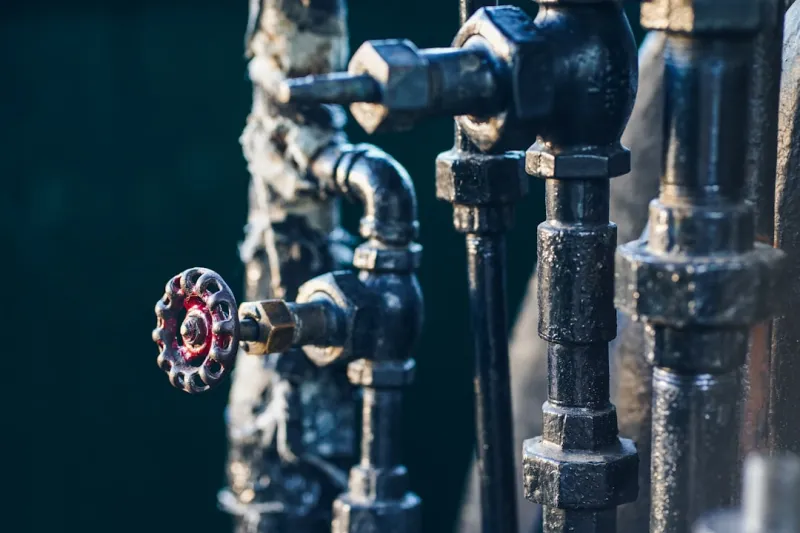
The Water-Saving Revolution: Sustainable Plumbing Solutions for a Greener Future
As a plumber with years of experience, I've seen firsthand the impact that traditional plumbing systems can have on our environment. From leaky faucets to inefficient water heaters, there are countless ways that our plumbing systems can waste water and harm the planet. But the good news is that there are many sustainable plumbing solutions available that can help reduce our water usage and promote a greener future. In this article, I'll explore some of the latest trends and technologies in sustainable plumbing and provide tips on how homeowners can make their plumbing systems more eco-friendly.
The Importance of Water Conservation
Water conservation is an critical issue that affects us all. With the global population projected to reach 9 billion by 2050, it's estimated that we'll need 40% more water to meet our needs. However, the reality is that our planet's freshwater resources are limited, and it's up to us to use them wisely. One of the simplest and most effective ways to conserve water is to fix leaky faucets and toilets. A single dripping faucet can waste up to 20 gallons of water per day, while a running toilet can waste up to 200 gallons per day. By fixing these leaks, homeowners can save water and reduce their water bills.
Sustainable Plumbing Fixtures
Another way to promote water conservation is to install sustainable plumbing fixtures. Low-flow showerheads and faucets, for example, can significantly reduce water usage without sacrificing performance. Water-efficient appliances, such as toilets and washing machines, can also make a big difference. These appliances use advanced technology to minimize water usage while still providing the performance and functionality that homeowners need. When shopping for new plumbing fixtures, look for products that have earned the WaterSense label, which indicates that they meet EPA standards for water efficiency.
Greywater Systems
Greywater systems are another sustainable plumbing solution that's gaining popularity. Greywater is the wastewater generated from sinks, showers, and washing machines, which can be reused for irrigation and flushing toilets. By installing a greywater system, homeowners can reduce their water usage and lower their water bills. Greywater systems are especially useful in areas with low rainfall, where water conservation is critical. However, it's essential to note that greywater systems require regular maintenance to ensure that they're functioning properly and not contaminating the water supply.
Rainwater Harvesting
Rainwater harvesting is another effective way to conserve water and reduce dependence on municipal water supplies. By collecting and storing rainwater in a tank, homeowners can use it for irrigation, flushing toilets, and even washing cars. Rainwater harvesting systems can be simple and inexpensive, making them accessible to homeowners of all budgets. However, it's crucial to ensure that the system is properly designed and installed to avoid contamination and other issues.
The Role of Sustainable Materials
Sustainable materials play a critical role in sustainable plumbing. Traditional plumbing materials, such as PVC and copper, can have negative environmental impacts, from production to disposal. In contrast, sustainable materials like PEX (cross-linked polyethylene) and recycled copper offer a more eco-friendly alternative. PEX, for example, is a flexible and durable material that's resistant to corrosion and scaling, reducing the need for replacement and repair. When selecting plumbing materials, look for products that are made from sustainable sources and have minimal environmental impact.
The Future of Sustainable Plumbing
The future of sustainable plumbing looks bright, with new technologies and innovations emerging all the time. From smart home systems that detect leaks and optimize water usage to advanced water treatment systems that can recycle and reuse water, there are many exciting developments on the horizon. As homeowners, we have the power to drive demand for sustainable plumbing solutions and promote a greener future for our planet. By making informed choices about our plumbing systems and fixtures, we can reduce our water usage, lower our water bills, and contribute to a more sustainable future.
Conclusion
In conclusion, sustainable plumbing solutions are critical for promoting a greener future and conserving our planet's precious water resources. From fixing leaks and installing low-flow fixtures to investing in greywater systems and rainwater harvesting, there are many ways that homeowners can make their plumbing systems more eco-friendly. By embracing sustainable plumbing solutions and adopting sustainable DIY repair tips, we can reduce our environmental impact, save money on our water bills, and contribute to a more sustainable future for generations to come.

Paul Gray is a dynamic blogger based in Brampton, where he shares his life with his amazing wife, Sarah. Known for his engaging writing style and relatable insights, Paul has carved out a niche in the blogging world that resonates with readers from all walks of life. When he's not crafting captivating posts, you can find him savoring a cold beer or indulging in the latest blockbuster movie. With a friendly demeanor and a passion for storytelling, Paul brings a unique perspective to his work, making him not just a blogger, but a voice for those who appreciate the simple joys of life.
Related Posts
The Sustainability Shift in Plumbing: How to Make Your Home More Eco-Friendly
The plumbing industry is undergoing a significant transformation, with homeowners seeking sustainabl... Read More
Hands‑On Plumbing: DIY Tips, Leak Detection & Sustainable Water Savings
Discover how simple tools and step‑by‑step techniques can help homeowners fix drips, spot hidden... Read More
Reviving Vintage Pipes: Modern Solutions for Historic Homes
A deep dive into preserving and modernizing the plumbing of historic homes, balancing heritage aesth... Read More
Top Posts
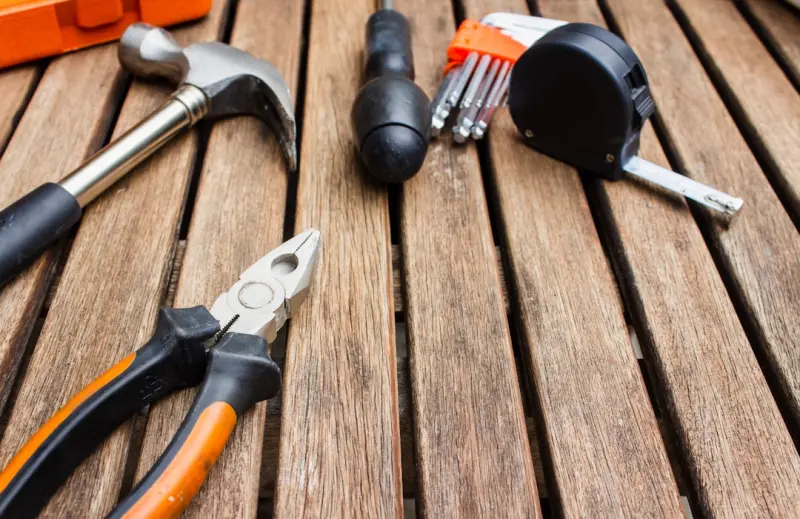
Build a Portable DIY Home Repair Kit That Saves Time and Money
A hands‑on guide to creating a portable DIY repair kit, packed with the right tools, smart organization, and quick fixes for common household issues....Read More
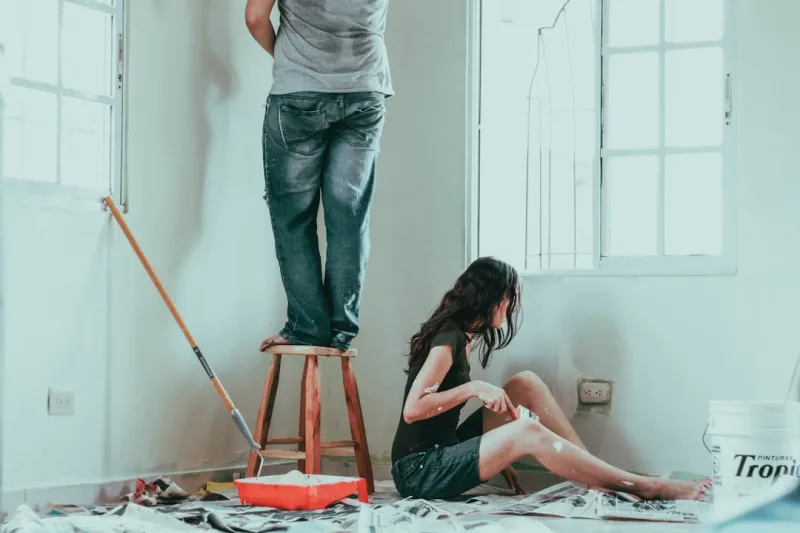
DIY Home Repairs: A Beginner's Guide to Getting Started
Get started with DIY home repairs and develop the skills and confidence you need to tackle more complex projects. Learn the basics, safety precautions, and tips...Read More
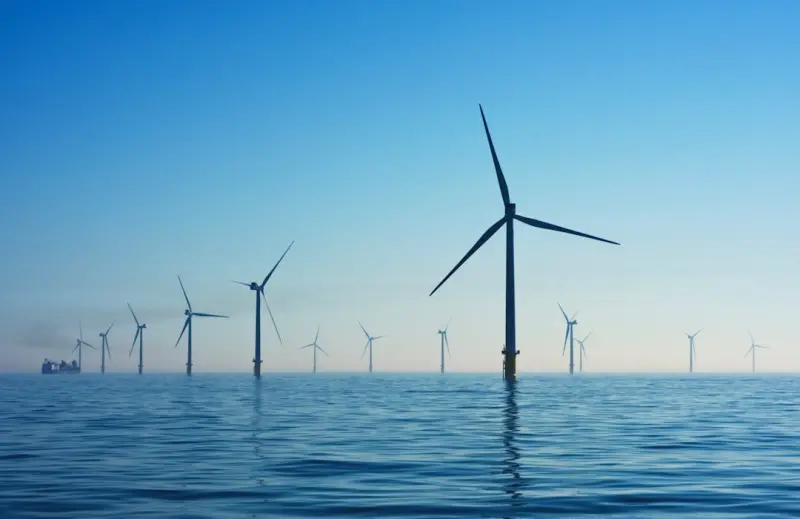
Continuous Energy Inspection: Turning Real‑Time Data into Facility Savings
A deep dive into Continuous Energy Inspection, showing how sensors, edge processing, and analytics replace annual audits, delivering real‑time insights, reduc...Read More
Unseen Drips: A DIY Guide to Detecting and Fixing Hidden Leaks
Discover a systematic, DIY approach to finding and fixing hidden leaks before they cause costly damage, complete with affordable tools, repair methods, and prev...Read More
0 Comments
Post Comment
You will need to Login or Register to comment on this post!