

Why Seasonal Plumbing Checks Matter More Than You Think
Most homeowners treat plumbing like an invisible network that only matters when it breaks. In reality, pipes endure temperature swings, pressure changes, and sediment buildup every season. Those hidden stressors can cause tiny leaks that grow into costly floods if left unchecked. By scheduling a simple seasonal inspection, you catch problems before they become emergencies, protecting both your wallet and your peace of mind.
Understanding the Hidden Forces Behind Pipe Wear
Cold winters send water rushing through pipes at higher pressure, while hot summers expand metal and plastic fittings. Over time, this constant expansion and contraction creates micro‑cracks that are invisible to the naked eye. Moreover, mineral deposits from hard water can scar interior surfaces, reducing flow efficiency. Recognizing these subtle forces helps you target maintenance where it matters most.
Creating a Seasonal Inspection Checklist
A good checklist starts with visual checks around exposed fixtures, looking for corrosion, discoloration, or moisture stains. Next, listen for unusual sounds like hissing or knocking, which may indicate pressure issues. Finally, test water pressure with a gauge to ensure it stays within the optimal range of 40–60 psi. Following this routine twice a year can save you from unexpected repairs.
Tools Every Homeowner Should Keep Handy
Investing in a few basic tools equips you for most seasonal tasks. A reliable pipe wrench, a flashlight with a bright LED, and a water‑pressure gauge are essential. Pair these with a non‑abrasive cleaning brush to remove debris from aerators and showerheads. When you have the right gear, routine maintenance becomes quick, efficient, and confidence‑boosting.
Spotting Early Warning Signs of Trouble
Even the most diligent homeowner can miss early signs if they don’t know what to look for. Pay attention to damp spots on walls, musty odors, or a sudden increase in water bills. These clues often point to hidden leaks or pipe corrosion. Acting on them promptly prevents water waste and structural damage.
Integrating Plumbing Care with Home Automation
Modern technology offers subtle ways to monitor your plumbing health without invasive upgrades. Simple sensors can alert you to moisture buildup or abnormal pressure spikes. For ideas on broader home automation ideas, explore how smart water‑leak detectors fit into a holistic maintenance plan.
When to Call a Professional vs. DIY Fixes
Some issues, like a minor faucet drip, are easy DIY wins with the right tools. However, problems involving main‑line corrosion, sewer backups, or persistent pressure loss demand a licensed plumber’s expertise. Knowing the line between simple fixes and complex repairs protects you from costly mistakes and ensures code compliance.
Future‑Proofing Your Plumbing for Resale Value
Potential buyers evaluate a home’s plumbing system as a key factor in their decision. Demonstrating a documented seasonal maintenance schedule shows that the system is cared for and reliable. Additionally, consider upgrading to flexible PEX tubing in older homes; it resists freezing and reduces noise, boosting both performance and market appeal. For further insight on protecting your home’s envelope, read about waterproofing strategies that complement a robust plumbing plan.

Tom Ferguson is a Canadian freelance writer with a passion for storytelling, current events, and thoughtful commentary. Drawing on years of writing experience, he shares engaging insights on a wide range of topics, bringing a uniquely Canadian perspective to his work.
Related Posts
The Sustainability Shift in Plumbing: A Greener Future for Your Home
Learn how to make your home more eco-friendly with sustainable plumbing practices, innovative soluti... Read More
Smart Plumbing: Turning Pipes into Proactive Assets for Modern Buildings
Learn how integrating sensors, analytics, and AI into plumbing systems turns traditional pipes into ... Read More
Hands‑On Plumbing: DIY Tips, Leak Detection & Sustainable Water Savings
Discover how simple tools and step‑by‑step techniques can help homeowners fix drips, spot hidden... Read More
Top Posts

Sustainable Flooring: A Key Component of Eco-Friendly Home Design
Sustainable flooring is a critical component of eco-friendly home design. Learn about the benefits and types of sustainable flooring, from reclaimed hardwood to...Read More

The Importance of Sustainable Gutter Systems in Home Design
Sustainable gutter systems play a crucial role in eco-friendly home design. Learn about the benefits, materials, and best practices for installation....Read More
Why a Proactive Maintenance Calendar Is Your Home’s Best Investment
A proactive maintenance calendar transforms upkeep from a dreaded chore into a seamless routine, saving money, preventing emergencies, and enhancing home value....Read More
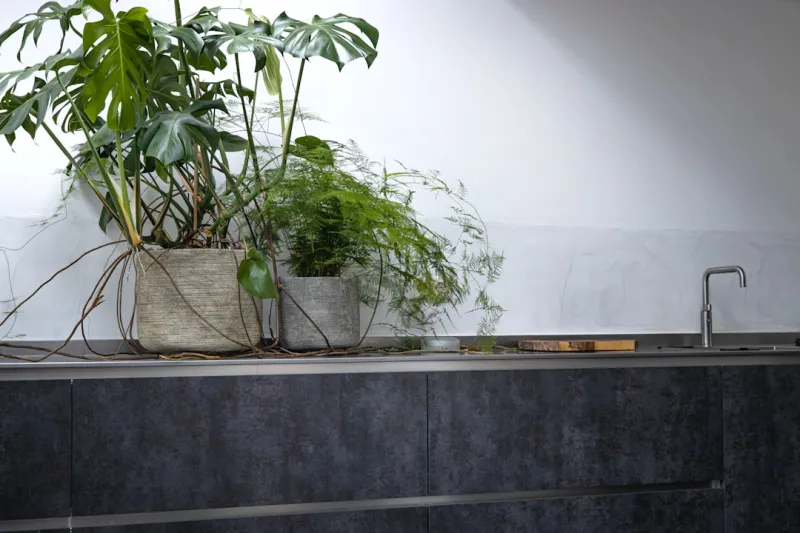
Sustainable Kitchen Renovations: A Guide to Eco-Friendly Cooking Spaces
Learn how to create a sustainable kitchen with eco-friendly materials, energy-efficient appliances, and innovative design strategies that reduce waste and conse...Read More
0 Comments
Post Comment
You will need to Login or Register to comment on this post!