
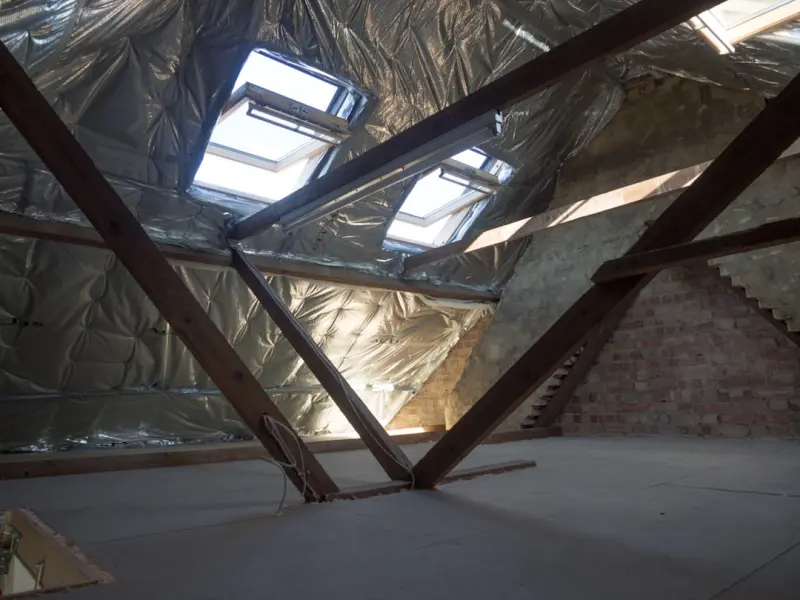
The Quiet Powerhouse: Reframing Insulation as a Strategic Business Lever
When most people think about building performance, the conversation stalls at HVAC, lighting, or the latest smart glass. Insulation—the humble, often invisible layer between a wall and the outside world—rarely gets the spotlight. I’ve spent a decade walking construction sites, consulting with facilities managers, and tinkering with emerging tech, and I keep hearing the same refrain: “If we can’t see it, we can’t value it.” That mindset is about to shift.
In this piece, I’ll walk you through why insulation should be elevated from a background player to a strategic business lever. We’ll explore the economics, the technology, and the cultural shift needed to turn a thin slab of foam or fiber into a measurable ROI driver. By the end, you’ll have a roadmap to champion insulation in boardrooms, budgets, and daily operations.
Why Insulation Deserves a Seat at the Executive Table
Insulation’s primary job—reducing heat transfer—has ripple effects that extend far beyond the thermostat setting. Here are three high‑impact dimensions that often go unnoticed:
- Energy Cost Savings: A well‑insulated envelope can slash heating and cooling loads by 20‑30%, translating directly into lower utility bills.
- Occupant Comfort & Productivity: Stable indoor temperatures reduce drafts and hot spots, which research links to higher employee focus and lower absenteeism.
- Carbon Footprint & Brand Equity: Demonstrating tangible steps toward sustainability strengthens your ESG narrative and can attract eco‑conscious clients.
When you translate those outcomes into dollar terms, insulation moves from a line‑item expense to a profit‑center asset. Yet many CFOs still view it as a “hard cost” because its performance is hidden behind walls.
From Passive Barrier to Active Asset: The Role of Data
Data is the language that executives understand. By instrumenting insulation, we can transform it from a passive barrier into an active, data‑driven asset.
Enter sensor technology. Modern IoT modules can be embedded in foam or mineral wool to monitor temperature gradients, moisture ingress, and even compressive stress over time. When integrated with a building management system (BMS), these sensors provide real‑time insights:
- Detecting thermal bridging before it becomes an energy loss hotspot.
- Alerting facilities teams to moisture buildup that could precede mold—tying back to risk mitigation strategies.
- Validating the performance of retrofit insulation projects, enabling pay‑back calculations on the fly.
Imagine a dashboard that shows, “Your east façade is losing 5% more heat than design specs”—a clear, actionable metric that justifies budget allocations.
Choosing the Right Insulation for Your Business Goals
Not all insulation is created equal. The decision matrix should align with three core business objectives: energy efficiency, occupant health, and future‑proofing.
1. Energy Efficiency
High R‑value materials such as closed‑cell spray foam or aerogel blankets excel in thermal resistance. If your priority is minimizing HVAC load, these are the go‑to solutions.
2. Occupant Health
Materials that resist moisture absorption—like rigid polyiso or phenolic boards—prevent mold growth and improve indoor air quality, complementing the Mold Removal playbook.
3. Future‑Proofing
Consider products that can integrate sensors or allow for easy retrofitting. Modular panel systems with built‑in wiring paths simplify upgrades when new standards emerge.
DIY vs. Professional Install: Where to Invest Your Time
There’s a temptation to treat insulation upgrades as a DIY weekend project, especially when budgets are tight. While small‑scale interventions—like adding attic batts or sealing gaps—can deliver quick wins, the Invisible Wins guide reminds us that not every fix is created equal.
Here’s a quick decision tree:
- Minor, accessible areas (attic, crawlspace): DIY can be cost‑effective if you follow best‑practice guidelines and verify R‑value compliance.
- Structural walls, fire‑rated assemblies, or high‑rise projects: Engage certified installers. Improper installation can negate performance, cause voids, and even breach code.
- Sensor‑enabled retrofits: Require expertise in both insulation and IoT integration; professional partners are essential.
Balancing DIY enthusiasm with professional rigor ensures you don’t sacrifice long‑term performance for short‑term savings.
Financial Modeling: Quantifying the ROI
To win executive buy‑in, you need a solid financial model. Here’s a simplified framework you can adapt:
- Baseline Energy Consumption: Pull utility data for the past 12 months.
- Projected Savings: Apply an industry‑standard reduction factor based on the chosen insulation’s R‑value improvement (e.g., 15% reduction for a 5‑R upgrade).
- Cost of Installation: Include material, labor, and any sensor integration fees.
- Payback Period: Divide total cost by annual savings.
- Net Present Value (NPV): Discount future cash flows over a 10‑year horizon at your corporate cost of capital.
For many mid‑size office parks, the payback period lands between 2‑4 years, with an NPV that comfortably exceeds the threshold for capital projects.
Building a Culture That Values the “Invisible”
Technical arguments alone won’t move the needle. You need to embed insulation’s value into the organization’s culture:
- Education Sessions: Host workshops for facilities teams and finance to demystify R‑values and sensor data.
- Performance Dashboards: Make insulation metrics visible alongside occupancy and energy dashboards.
- Recognition Programs: Celebrate teams that achieve insulation‑related energy reductions, tying them to sustainability awards.
When the story of insulation moves from “it’s hidden” to “it’s measurable”, you create internal champions who will advocate for continuous improvement.
Case Study Snapshot: A Regional Office Turned Energy Champion
One client—a regional financial services firm—had a 150,000‑sq‑ft office built in the early 2000s. Their energy bill was spiraling, and employee surveys flagged inconsistent indoor temperatures.
We embarked on a three‑phase insulation overhaul:
- Audit & Modeling: Thermal imaging identified 12% of wall area suffering from thermal bridging.
- Installation: Closed‑cell spray foam was applied to the exterior envelope, and sensor‑enabled batts were placed in the attic.
- Analytics: Real‑time data fed into the BMS, highlighting a 22% reduction in HVAC load within six months.
The result? A 19% drop in annual energy spend, a 4‑point lift in employee comfort scores, and a compelling ESG story that the firm leveraged in client pitches. The ROI was realized in just 3.2 years.
Future Trends: What’s Next for Insulation?
Looking ahead, three trends will reshape how we think about insulation:
- Phase‑Change Materials (PCMs): These smart substances store and release thermal energy, smoothing temperature swings and further trimming HVAC loads.
- Carbon‑Negative Insulation: Emerging bio‑based foams capture carbon during production, turning your building envelope into a carbon sink.
- AI‑Optimized Design: Machine‑learning algorithms can simulate thousands of insulation configurations, pinpointing the optimal balance of cost, performance, and sustainability.
Staying ahead of these innovations will keep your organization at the cutting edge of both operational efficiency and brand leadership.
Action Plan: Turning Insight into Implementation
Ready to champion insulation in your organization? Follow these steps:
- Conduct an Energy Audit to establish a baseline and identify hot spots.
- Map Insulation Gaps using infrared thermography and building plans.
- Select Materials aligned with your energy, health, and future‑proofing goals.
- Integrate Sensors where feasible to enable continuous performance monitoring.
- Build a Business Case using the ROI framework outlined above.
- Roll Out Pilot in a high‑visibility area, capture data, and refine the approach.
- Scale Up across the portfolio, embedding insulation metrics into corporate dashboards.
By treating insulation as a strategic lever rather than a line‑item, you unlock hidden value, boost sustainability, and future‑proof your facilities.

Paul Gray is a dynamic blogger based in Brampton, where he shares his life with his amazing wife, Sarah. Known for his engaging writing style and relatable insights, Paul has carved out a niche in the blogging world that resonates with readers from all walks of life. When he's not crafting captivating posts, you can find him savoring a cold beer or indulging in the latest blockbuster movie. With a friendly demeanor and a passion for storytelling, Paul brings a unique perspective to his work, making him not just a blogger, but a voice for those who appreciate the simple joys of life.
Related Posts

The Importance of Insulation in Sustainable Home Design
Insulation plays a critical role in sustainable home design, reducing energy consumption and lowerin... Read More
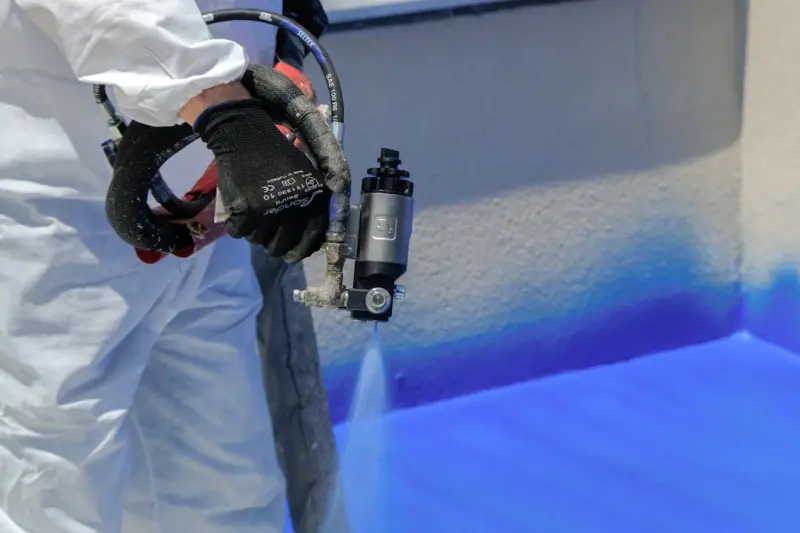
The Invisible Advantage: How Smart Insulation Is Redefining Building Performance
Insulation is evolving from a passive barrier to a data‑driven performance layer. Learn how advanc... Read More
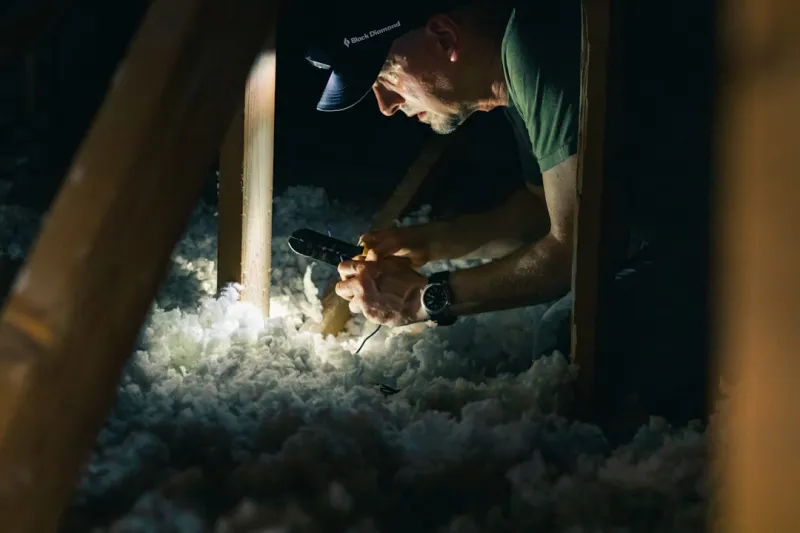
Unlocking the Hidden Power of Insulation for a Smarter, Sustainable Home
Explore the unsung hero of sustainable homes—insulation—and learn practical DIY steps, smart tec... Read More
Top Posts

Why a Proactive Maintenance Calendar Is Your Home’s Best Investment
A proactive maintenance calendar transforms upkeep from a dreaded chore into a seamless routine, saving money, preventing emergencies, and enhancing home value....Read More
DIY Home Repairs: A Year‑Long Preventive Maintenance Blueprint
Learn how to create a practical, year‑long preventive maintenance schedule that saves money, avoids emergencies, and empowers you to handle home repairs with ...Read More

From Frame to Function: Rethinking Windows & Doors for a Circular Future
A circular fenestration strategy transforms windows and doors from disposable components into reusable assets, delivering cost savings, lower carbon footprints,...Read More
Waterproofing as a Design Feature: Elevate Protection with Style
Learn to turn waterproofing into a stylish upgrade with decorative membranes, hidden drainage, and smart moisture monitoring, all while boosting energy efficien...Read More
0 Comments
Post Comment
You will need to Login or Register to comment on this post!