

Why Carpet Care Deserves a Boardroom Conversation
When executives talk about capital‑efficiency, they often focus on HVAC upgrades, lighting retrofits, or space‑utilization software. Carpet cleaning rarely makes the agenda, yet the fibers underfoot are a silent driver of operational cost, employee health, and brand perception. A well‑executed carpet maintenance plan is not a “nice‑to‑have” service; it is a strategic asset that protects the floor’s lifespan, stabilizes indoor air quality, and reinforces a company’s commitment to a clean, professional environment.
The Hidden Cost of Ignoring Carpet Health
Most facilities managers estimate carpet replacement every five to seven years, but that timeline is often dictated by visible wear rather than actual fiber degradation. When dirt, oils, and microscopic particles settle deep into the pile, they break down the binding agents that hold the yarn together. The result is a carpet that looks acceptable on the surface while its structural integrity is compromised. The financial impact is twofold:
- Premature Replacement: Replacing a commercial carpet can cost between $4 and $8 per square foot, not including labor and disposal fees. Early failure adds up quickly across large office footprints.
- Increased Energy Use: Dirty carpet insulates less efficiently, forcing heating and cooling systems to work harder to maintain set temperatures.
By treating carpet care as a performance metric, facilities teams can extend the functional life of the floor by up to 30 % and reduce ancillary energy expenses.
Indoor Air Quality: The Unseen Benefit of Routine Cleaning
Carpets act like giant filters, capturing dust, pollen, and even volatile organic compounds (VOCs) from the air. Over time, the trapped contaminants become a source of off‑gassing, especially when the fibers are disturbed by foot traffic or vacuuming. Research shows that indoor air can contain up to five times more particulate matter than outdoor air in heavily carpeted spaces. For businesses that host clients, hold meetings, or employ staff with respiratory sensitivities, this is a risk that cannot be ignored.
A systematic cleaning regimen—using low‑residue, biodegradable detergents and hot‑water extraction—removes the bulk of these pollutants, thereby improving air turnover rates and reducing the burden on air‑handling units. The health payoff includes lower absenteeism, reduced allergy incidents, and a measurable boost in employee productivity.
Choosing the Right Cleaning Technology for Modern Workplaces
Not all carpet cleaning methods are created equal. Traditional rotary‑brush machines can embed soil deeper into the pile, while steam‑based systems risk over‑wetting and mold growth. The most effective solutions balance extraction power, drying time, and chemical safety:
- Encapsulation Cleaning: This technique coats soil particles with a polymer, which is then vacuumed away. It leaves minimal moisture, reducing drying time to under an hour.
- Hot‑Water Extraction (HWE): Often called “steam cleaning,” HWE uses heated water mixed with a neutral pH cleaning agent to dislodge dirt, followed by powerful suction that removes 90 %+ of the moisture.
- Dry‑Compound Cleaning: A low‑dust powder is spread across the carpet, agitated, and then vacuumed, ideal for high‑traffic areas that cannot tolerate prolonged downtime.
For enterprises with mixed‑use spaces—conference rooms, reception areas, and open work zones—a hybrid approach can be the most cost‑effective, applying the fastest method where traffic is highest and the deepest extraction where the visual impact matters most.
Integrating Carpet Care Into Facility Management Software
Just as building automation systems now track temperature and lighting, modern facility management platforms can schedule, track, and report on carpet cleaning activities. By logging the date, method, and chemical batch used for each service, managers gain insight into performance trends and can predict when a carpet is approaching the end of its useful life.
One practical example is to set up automated reminders based on foot‑traffic analytics gathered from occupancy sensors. When a zone exceeds a predefined traffic threshold, the system flags it for a deep‑clean cycle. This data‑centric approach eliminates guesswork and aligns cleaning frequency with actual usage patterns.
For a deeper dive on how digital workflows can streamline maintenance tasks, see the streamlined workflow tools article.
Eco‑Friendly Chemistry: Reducing Environmental Impact While Maintaining Performance
Many commercial cleaning vendors still rely on harsh solvents that can linger in the carpet fibers and eventually leach into wastewater systems. Sustainable alternatives now exist that meet or exceed cleaning performance without the ecological baggage:
- Plant‑Based Surfactants: Derived from renewable sources such as coconut or corn, these agents break down soil effectively while being readily biodegradable.
- Enzyme‑Powered Formulations: Enzymes target protein‑based stains (coffee, food) at a molecular level, reducing the need for aggressive mechanical agitation.
- Oxygen‑Based Bleaches: Sodium percarbonate releases hydrogen peroxide when dissolved, offering a gentle whitening action without chlorine’s corrosive effects.
Choosing green products not only supports corporate sustainability goals but also lessens the risk of carpet fiber damage, extending the floor’s aesthetic life.
Scheduling Strategies That Minimize Disruption
Carpet cleaning is often perceived as a logistical headache—rooms need to be vacated, equipment must be moved, and drying periods can interfere with daily operations. However, a well‑planned schedule can turn this chore into a seamless part of the building’s routine:
- Night‑Shift Cleaning: Performing deep extraction after business hours ensures that the space is ready for the next day.
- Zonal Rotation: Divide the office into zones and clean each on a rotating basis, so only a fraction of the workspace is affected at any given time.
- Fast‑Dry Technology: Use low‑temperature air movers that reduce drying times to under 30 minutes, allowing occupants to return quickly.
Combining these tactics with real‑time occupancy data creates a “just‑in‑time” cleaning model, where carpet care adapts to the actual flow of people rather than a static calendar.
Measuring Success: KPIs for Carpet Management
To justify the investment in a comprehensive carpet program, decision‑makers need clear metrics. Consider tracking the following key performance indicators:
- Mean Time Between Replacements (MTBR): The average interval before a carpet is retired.
- Airborne Particulate Count: Measured with a handheld particle counter before and after cleaning cycles.
- Employee Satisfaction Scores: Survey staff on perceived cleanliness and comfort in common areas.
- Energy Consumption Offset: Estimate HVAC energy saved due to improved carpet performance.
When these KPIs show positive trends, they become compelling evidence for continued or increased budget allocation toward carpet stewardship.
Case Study: Turning a High‑Traffic Lobby into a Brand Asset
A mid‑size consulting firm renovated its lobby with a high‑pile, low‑pile hybrid carpet system. By partnering with a cleaning provider that used encapsulation for daily maintenance and hot‑water extraction quarterly, the firm achieved the following outcomes within twelve months:
- Extended lobby carpet life from four to six years.
- Reduced measured particulate counts by 42 %.
- Lowered energy usage for heating by 3 % due to improved insulation properties.
- Received positive client feedback on the “fresh and professional” appearance of the entrance.
The success was amplified by integrating the cleaning schedule into the building’s existing facilities management software, which automatically generated work orders and captured cleaning logs for audit purposes.
Future‑Proofing Your Flooring Strategy
As workplaces evolve toward hybrid models, the demands placed on floor coverings will shift. Remote work may reduce weekday traffic but increase weekend usage for events or occasional office days. Anticipating these patterns is essential for maintaining carpet integrity.
One proactive step is to adopt a future‑proof floor upgrade plan that includes modular carpet tiles. Tiles can be swapped out individually when staining or wear becomes localized, avoiding the cost and waste associated with replacing an entire carpet roll.
Additionally, emerging sensor technologies can monitor humidity levels beneath the carpet, alerting staff before moisture‑related issues—such as mold—take hold. While this article does not delve into sensor specifics, the principle mirrors broader building‑performance trends: data‑informed maintenance leads to longer asset life and healthier environments.
Bottom Line: Carpet Care as a Competitive Advantage
In the race to attract talent and impress clients, every detail of the physical environment contributes to the overall perception of professionalism and care. A disciplined carpet cleaning regimen does more than keep the floor looking good; it safeguards health, reduces hidden energy costs, and protects a significant capital investment. By treating carpet management as a strategic, measurable component of facility operations, businesses unlock a quiet but powerful competitive edge.

Tom Ferguson is a Canadian freelance writer with a passion for storytelling, current events, and thoughtful commentary. Drawing on years of writing experience, he shares engaging insights on a wide range of topics, bringing a uniquely Canadian perspective to his work.
Related Posts
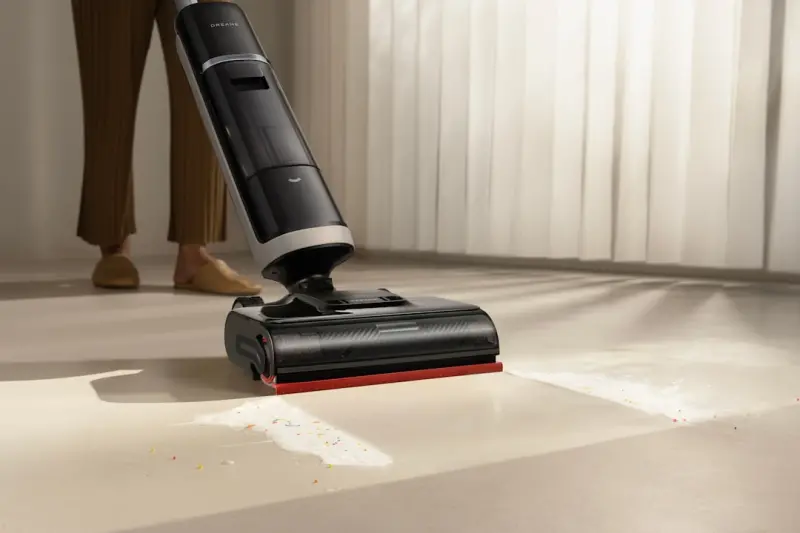
Beyond the Vacuum: Data‑Driven Carpet Care for Healthier Spaces
Carpets are evolving from silent floor coverings to data‑rich assets that improve air quality, low... Read More

The Sustainable Carpet Cleaning Playbook: Tips, Tricks, and Green Solutions
Learn how to clean carpets sustainably with green products, DIY hacks, and professional tips that ex... Read More

Why Carpet Care is the Backbone of Healthy, Efficient Buildings
A deep dive into the hidden benefits of carpet cleaning, revealing its role in enhancing indoor air ... Read More
Top Posts

From Concrete Jungle to Living Canopy: The Untapped Power of Green Roofs
Green roofs turn ordinary rooftops into thriving ecosystems that combat heat islands, manage stormwater, and boost biodiversity, offering both environmental and...Read More
Mold Removal for Renters: A Practical Guide to Spot, Stop, and Safeguard Your Space
A renter’s step‑by‑step guide to spotting mold, safely removing it, and preventing future growth—plus legal tips and budget‑friendly tools....Read More
The Smart Thermostat Revolution: Turning Your HVAC into a Home Energy Coach
A deep dive into how predictive zoning, grid integration, and open standards are turning today’s smart thermostats into essential energy coaches that boost co...Read More

Predictive HVAC: Turning Data into Comfort and Savings
Predictive HVAC leverages real‑time sensor data and AI analytics to forecast equipment failures, optimize energy consumption, and transform climate control in...Read More
0 Comments
Post Comment
You will need to Login or Register to comment on this post!