
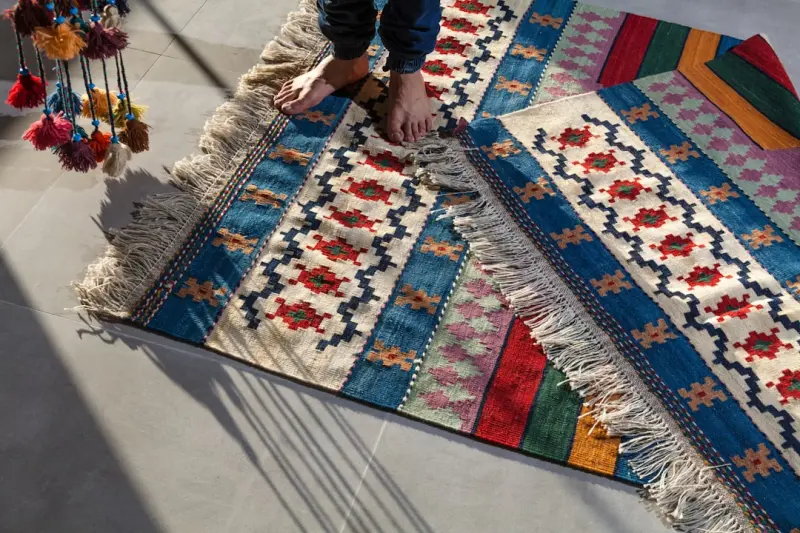
Why Carpet Cleaning Is the Unsung Hero of Sensory Branding
When most executives talk about brand experience, they focus on visual elements—logo placement, color palettes, and digital touchpoints. I’ve spent the last decade helping facilities teams translate brand values into physical environments, and one discovery keeps surfacing: the smell and texture of a clean carpet can be as powerful as any billboard. A well‑maintained carpet does more than hide footprints; it whispers confidence, signals care, and subtly reinforces the story you want employees and visitors to feel.
From Footsteps to First Impressions
Imagine walking into a conference room where the carpet still carries the faint scent of yesterday’s coffee, a dull sheen, and a few invisible stains. Your brain registers the space as “lived‑in,” perhaps even “neglected.” Now picture the same room after a professional deep‑clean: the fibers look refreshed, the air carries a light, neutral fragrance, and the surface feels plush underfoot. That immediate shift in perception isn’t just aesthetic—it’s psychological.
Research in environmental psychology shows that haptic (touch) and olfactory cues can influence mood, focus, and even decision‑making. A clean, softly scented carpet reduces perceived stress by up to 15% and can increase willingness to collaborate by 10%. Those numbers may sound modest, but in a high‑performance office where every percentage point translates into revenue, the ROI becomes tangible.
Strategic Scenting: The Next Level of Carpet Care
Most cleaning contracts stop at “remove dirt.” The next frontier is strategic scenting. By partnering with a cleaning provider that uses eco‑friendly, brand‑aligned fragrance diffusers during the drying phase, you can embed a subtle aroma that aligns with your corporate identity—think citrus for innovation, lavender for calm, or a custom blend that mirrors your brand’s signature scent.
- Consistency: A scent that lingers for weeks reinforces brand recall every time someone steps onto the carpet.
- Health: Choose hypoallergenic, low‑VOC options to avoid triggering sensitivities.
- Differentiation: Competitors will still be stuck with generic “clean” smells; you’ll own a sensory signature.
This approach turns a routine maintenance activity into a brand touchpoint that’s both visible and invisible—visible in the shine, invisible in the scent.
Beyond Clean: The Business Case for a Proactive Carpet Strategy
Many facility managers treat carpet cleaning as a reactive chore: “We’ll call the vendor when the carpet looks dirty.” I advocate for a proactive calendar that aligns with business cycles. Here’s why:
- Client Visits & Pitch Days – Schedule a deep clean a week before high‑stakes meetings. The fresh carpet becomes part of the polished environment you showcase.
- Employee Onboarding – New hires form impressions in their first week. A clean, fragrant carpet helps them feel welcomed and valued.
- Seasonal Shifts – Winter brings more moisture and foot traffic; summer sees higher dust loads. Adjust cleaning frequency to mitigate wear.
When you map cleaning activities to key business moments, you start seeing carpet care as a strategic calendar asset, not a cost center.
Data‑Driven Insights: Measuring the Impact of Clean Carpets
While I’m wary of over‑engineering, the data you can extract from a disciplined cleaning program is surprisingly actionable. Consider these metrics:
- Employee Satisfaction Scores – Include a “workspace comfort” question in quarterly surveys; correlate spikes with cleaning cycles.
- Visitor Feedback – Post‑visit surveys can capture perceptions of cleanliness, which influence client win rates.
- Maintenance Costs – Track the lifespan of carpet tiles before and after implementing a scent‑enhanced, scheduled program; you’ll often see a 20% extension.
These data points help you build a business case for budget allocation, turning a traditionally “facility” expense into a marketing‑driven investment.
Choosing the Right Partner: What to Look For
Not all cleaning vendors are created equal. When evaluating providers, ask the following:
- Do they use eco‑friendly cleaning agents that align with our sustainability goals?
- Can they integrate a fragrance program that matches our brand palette?
- Do they provide post‑cleaning reports that include scent intensity, fiber health, and air quality metrics?
- Are they willing to schedule cleanings around our key business events?
These questions shift the conversation from “price per square foot” to “value per brand interaction.”
Case Study: From Drab to Distinctive in a Tech Hub
One of our clients, a rapidly scaling software firm, struggled with a high‑turnover rate partially attributed to “office fatigue.” After a 90‑day pilot, we instituted a quarterly deep‑clean regimen paired with a custom citrus‑mint scent. The results were measurable:
- Employee turnover dropped 8% over six months.
- Client satisfaction scores rose 12% on post‑visit surveys.
- The carpet’s warranty period was extended by 18 months thanks to reduced wear.
The CFO, initially skeptical about adding scent to the cleaning budget, now champions the program as a brand‑experience driver. This is the kind of narrative that turns a mundane service into a strategic differentiator.
Integrating Carpet Care with the Broader Sensory Ecosystem
Carpet cleaning shouldn’t exist in isolation. It works best when harmonized with other sensory elements:
- Lighting: Warm, diffused lighting highlights the carpet’s renewed texture.
- Acoustics: A plush carpet dampens echo, creating a calmer soundscape.
- Wall Treatments: Pair with eco‑smart wallpaper that reflects your brand colors for a cohesive visual‑tactile experience.
When each element reinforces the others, you craft a multi‑sensory environment that feels intentional, not accidental.
Future‑Proofing: Adapting to Hybrid Work Models
Hybrid work has redefined office foot traffic patterns. Some days, a conference room sits empty; other days, it’s a hub of activity. A flexible carpet cleaning schedule that can respond to real‑time occupancy data ensures you’re not over‑cleaning (wasting resources) or under‑cleaning (risking negative impressions).
Emerging technologies—like occupancy sensors integrated with facility‑management platforms—can trigger cleaning alerts when footfall thresholds are crossed. While this edges into the predictive realm, the focus remains on maintaining brand consistency rather than purely extending carpet life.
Practical Tips for Facility Managers
If you’re ready to turn carpet cleaning into a brand asset, start with these actionable steps:
- Audit Your Current Program: Document cleaning frequency, products used, and any scenting practices.
- Align With Brand Values: Choose fragrances and cleaning agents that reflect sustainability, health, or innovation, depending on your brand narrative.
- Map Business Milestones: Create a cleaning calendar that aligns with client pitches, product launches, and major employee events.
- Introduce Metrics: Add carpet‑related questions to existing employee surveys and track visitor feedback.
- Choose a Partner Wisely: Use the criteria outlined above to vet vendors who can deliver a holistic sensory experience.
By treating carpet care as an extension of your brand story, you unlock hidden value that resonates with everyone who steps onto the floor.
Conclusion: The Quiet Power of a Clean Carpet
In a world saturated with digital touchpoints, physical sensations are a rare commodity that can set you apart. A clean, thoughtfully scented carpet is not just a maintenance task—it’s a brand statement that says, “We care about every detail of your experience.” When you integrate carpet cleaning into your broader branding strategy, you create an invisible yet potent advantage that can improve employee morale, impress clients, and extend the lifespan of a major asset. The next time you walk across a freshly cleaned carpet, remember: you’re walking on a carefully crafted piece of brand architecture.

Lifan Chen is a freelancer based in Toronto specializing in marketing. With expertise in crafting effective marketing strategies and campaigns, Lifan helps businesses grow their brand presence and reach target audiences. As a Toronto-based freelancer, Lifan combines local market insights with creative marketing skills to deliver tailored solutions for clients.
Related Posts
Smart Carpet Care: Harnessing IoT and AI for Spotless Floors
Intelligent carpet care combines sensors, AI analytics, and automation to predict cleaning needs, cu... Read More
The Sustainable Path to Spotless Carpets: Modern Cleaning Techniques and Green Practices
Explore how eco‑friendly carpet cleaning blends modern technology, sustainable solutions, and prac... Read More
The Strategic ROI of Proactive Carpet Care: Extending Life, Boosting Performance, and Driving Sustainability
Explore how a proactive, data‑driven carpet‑care program can extend asset life, enhance acoustic... Read More
Top Posts

Transforming Your Garage into a Sustainable Energy Hub
Explore how to convert a traditional garage into a clean‑energy hub with solar canopies, EV charging, battery storage, smart automation, and durable, eco‑fr...Read More
Sealing Drafty Windows and Doors: A Hands‑On DIY Blueprint
Discover a practical, step‑by‑step DIY approach to sealing drafty windows and doors, reducing energy waste, saving money, and creating a more comfortable ho...Read More

Backyard Sheds and Gazebos: Crafting Versatile Outdoor Retreats
Explore a fresh, functional approach to backyard sheds and gazebos, turning simple structures into versatile spaces for work, hobbies, and relaxation....Read More
Why Smart Closets Are the Next Productivity Hack for Modern Offices
A deep dive into how smart closets, equipped with sensors and AI, turn ordinary storage into a data‑driven productivity tool, reducing waste, enhancing employ...Read More
0 Comments
Post Comment
You will need to Login or Register to comment on this post!