

When I first picked up a multimeter in a cramped back‑room of a local repair shop, my job was simple: listen for the hum, follow the spark, and get the appliance humming again. Today, that same screwdriver is paired with cloud dashboards, AI‑powered fault detectors, and a subscription model that turns a one‑off fix into a continuous value stream. As a seasoned technician who’s watched the industry evolve from dial‑tone calls to real‑time telemetry, I’m convinced that the next frontier in home‑appliance repair is less about “what’s broken?” and more about “what can we predict, prevent, and profit from before the customer even knows there’s a problem.”
From Reactive to Predictive: The Paradigm Shift
For decades, the repair model has been reactive—customers call, a technician arrives, a part is replaced, and the cycle repeats. This approach is efficient for emergency fixes but costly for both the homeowner and the service provider. The predictive HVAC strategies that have transformed commercial climate control are now spilling over into the residential appliance arena.
- Data collection at the edge: Modern washers, refrigerators, and ovens are built with sensors that monitor temperature, vibration, power draw, and even humidity.
- Cloud‑based analytics: These sensor streams feed into algorithms that spot anomalous patterns—like a refrigerator motor drawing 15% more wattage than normal, a subtle early‑warning sign of impending failure.
- Actionable alerts: Instead of waiting for a loud clunk, homeowners receive a notification on their phone: “Your freezer’s compressor is running hotter than usual. Schedule a service within the next 48 hours to avoid a breakdown.”
By shifting the focus from fixing after the fact to preventing before it happens, we’re redefining the value proposition of appliance repair.
Why Homeowners Should Care
Most people view appliances as “black boxes” that work until they stop. The hidden cost of a sudden failure is twofold:
- Financial: Emergency repairs are typically priced at a premium, and the downtime can lead to food spoilage or laundry pile‑ups.
- Environmental: A failed appliance often ends up in a landfill, and the production of a replacement consumes additional resources.
Predictive repair services can slash these costs dramatically. A recent case study from a major appliance brand showed a 30% reduction in warranty claims when customers opted into a data‑driven maintenance plan. Moreover, by catching issues early, we can extend the useful life of appliances, reducing waste and the carbon footprint associated with premature disposal.
Technician’s Toolbox in 2020s: More Than Wrenches
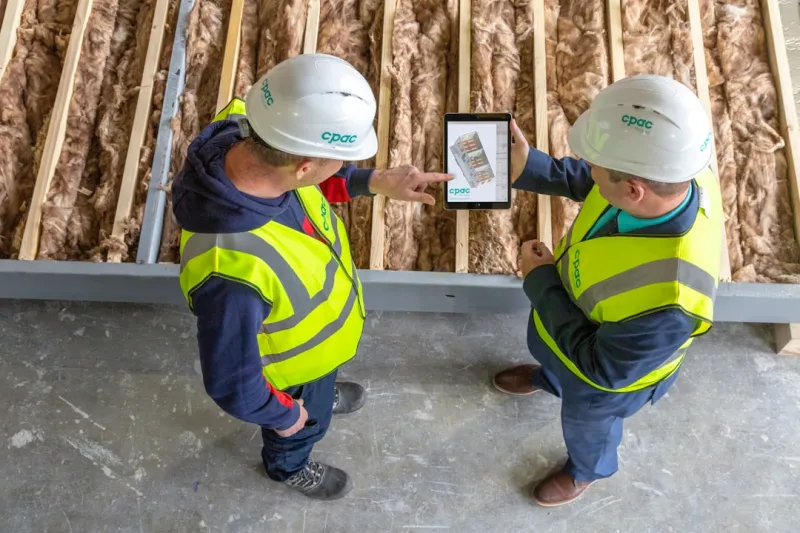
In my early days, the most sophisticated piece of equipment in my truck was a handheld vacuum pump. Today, the technician arrives with a tablet that pulls live diagnostics from the appliance’s IoT module. Here’s what a modern service call looks like:
- Pre‑visit snapshot: The system flags a potential issue and loads a diagnostic checklist on the technician’s device.
- On‑site verification: The technician runs a quick sensor check, confirming the anomaly in seconds rather than disassembling the unit.
- Parts forecasting: The backend predicts which part is likely to fail and ensures it’s on the truck before the technician steps inside the kitchen.
- Remote updates: If a firmware patch can resolve the issue, the technician pushes the update on the spot, often eliminating the need for a physical repair.
This workflow not only speeds up the repair time but also enhances the customer experience—no more “guess‑and‑check” trips that waste both parties’ time.
The Business Model Revolution: Subscription Services
Imagine a homeowner paying a modest monthly fee that covers:
- Continuous health monitoring of all major appliances.
- Automatic dispatch of a certified technician when an anomaly is detected.
- Priority access to genuine replacement parts.
- Annual performance reports that suggest energy‑saving settings.
This subscription model mirrors the success seen in the automotive sector with predictive maintenance packages, but it’s uniquely tailored to the home environment. Companies can now generate recurring revenue while customers enjoy peace of mind.
Sustainability Benefits: Closing the Loop
Every avoided breakdown translates into fewer parts manufactured, fewer trips to the landfill, and less energy consumed during the repair process. By extending the lifespan of appliances, we also reduce the overall demand for new units—a win for circular economy goals. In the same vein as the AI integration in home tech that optimizes building performance, predictive appliance repair optimizes the lifespan of existing assets.
Case Study: The Smart Washer Program
A regional laundry service partnered with a leading appliance manufacturer to pilot a data‑driven maintenance program across a fleet of 500 high‑efficiency washers. The program’s key components were:
- Installation of vibration and motor‑temperature sensors on each unit.
- Machine‑learning models trained on five years of failure data.
- Automated alerts routed to a dedicated service team.
Results after twelve months were striking:
- Uptime increased from 92% to 98%.
- Average repair cost dropped by 40% thanks to early part replacement.
- Customer churn decreased, as clients reported fewer interruptions to their laundry cycles.
This example illustrates that the ROI of predictive repair is not just theoretical—it’s measurable, and it scales from single‑family homes to commercial fleets.
Challenges to Overcome
While the upside is clear, the transition to a data‑centric repair ecosystem isn’t without hurdles:
- Data privacy concerns: Homeowners must trust that their usage data won’t be exploited for unrelated marketing.
- Legacy appliances: Older models lack built‑in sensors, requiring aftermarket retrofit kits that add cost.
- Standardization: The industry needs common data schemas so that a service provider can read diagnostics across different brands.
Addressing these obstacles will require collaboration between manufacturers, repair networks, and regulators. However, the momentum is already building—consumer demand for “smart home” experiences is accelerating the rollout of retrofit kits and open‑API platforms.
Future Outlook: The Fully Autonomous Service Cycle
Looking ahead, I see a day when an appliance can schedule its own service appointment, order the needed part, and dispatch a drone‑delivery to the technician’s doorstep—all without human intervention. Here’s a possible timeline:
- 2020‑2025: Widespread adoption of built‑in health sensors and basic predictive alerts.
- 2025‑2030: Integration of AI models that can recommend optimal usage patterns to extend life (e.g., optimal oven temperature ramps).
- 2030+: Fully automated service logistics, including robot‑assisted repairs for simple component swaps.
In this vision, the technician’s role evolves from “fixer‑of‑things” to “strategic advisor”—interpreting data insights, guiding homeowners on optimal usage, and focusing their hands‑on expertise on the most complex repairs that still demand a human touch.
Actionable Steps for Homeowners and Service Providers
Whether you’re a homeowner curious about extending the life of your appliances or a repair business looking to modernize, here are concrete actions you can take today:
- Audit your appliances: Identify which units already have smart capabilities (Wi‑Fi enabled refrigerators, smart ovens) and enroll them in manufacturer monitoring programs.
- Consider a maintenance subscription: Evaluate offers that bundle monitoring, scheduled service, and priority parts.
- Partner with a data‑ready repair shop: Look for service providers that emphasize remote diagnostics and have a proven track record with predictive maintenance.
- Advocate for standards: Support industry groups pushing for open data protocols so that any technician can read the health data, regardless of brand.
- Stay informed: Follow emerging research on appliance IoT security to ensure your devices stay protected while transmitting health data.
Conclusion: Turning Breakdowns into Business Opportunities
The appliance repair landscape is at a crossroads. We can either cling to the old, reactive model—waiting for a noisy dishwasher to halt production—or we can embrace the data‑driven future that turns every potential failure into a proactive service moment. For technicians, this means a richer skill set and steadier work flow. For homeowners, it translates to lower costs, fewer emergencies, and a greener footprint. The technology is already here; the challenge now is to align incentives, standardize data, and build the trust needed for a truly predictive repair ecosystem.

Paul Gray is a dynamic blogger based in Brampton, where he shares his life with his amazing wife, Sarah. Known for his engaging writing style and relatable insights, Paul has carved out a niche in the blogging world that resonates with readers from all walks of life. When he's not crafting captivating posts, you can find him savoring a cold beer or indulging in the latest blockbuster movie. With a friendly demeanor and a passion for storytelling, Paul brings a unique perspective to his work, making him not just a blogger, but a voice for those who appreciate the simple joys of life.
Related Posts

When Your Fridge Talks: The Future of Appliance Repair
This article reveals the shift from reactive fixes to predictive, subscription‑based appliance rep... Read More

The Hidden Costs of DIY Appliance Repair and When to Call a Pro
DIY appliance repairs can lead to hidden expenses and safety risks. Learn the red flags and preventi... Read More

The Hidden Value of Scheduled Appliance Check‑Ups
Regular appliance check‑ups prevent costly breakdowns, improve safety, and extend device lifespan.... Read More
Top Posts

Warm Floors, Smarter Buildings: Leveraging Radiant Heating for Performance and Profit
Radiant floor heating isn’t just a comfort feature—it’s a strategic asset that cuts energy costs, improves occupant health, and adds measurable value to c...Read More

Why Power‑over‑Ethernet Is the Unsung Hero of Modern Building Intelligence
Power‑over‑Ethernet merges power and data in a single cable, cutting costs and simplifying installations while providing a data‑rich platform for AI, digi...Read More

How Smart Sensors Are Turning Roofs into Predictive Assets
Roofing is evolving from a static shield to a data‑rich system. Learn how smart sensors monitor temperature, humidity, and vibrations to predict problems befo...Read More
The Foundation of Sustainable Construction: Why Energy Inspections Matter
Energy inspections play a vital role in ensuring that buildings are energy-efficient and environmentally responsible. Learn why energy inspections matter in sus...Read More
0 Comments
Post Comment
You will need to Login or Register to comment on this post!