
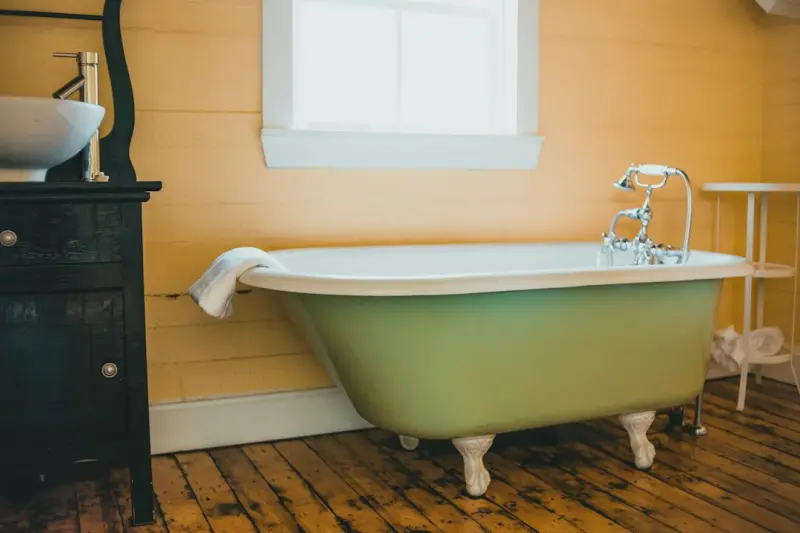
When homeowners talk about “quick wins” in renovation, bathtub refinishing often sits in the shadows, eclipsed by kitchen remodels and flooring upgrades. Yet, this low‑visibility upgrade packs a punch that goes far beyond a glossy finish. It can be a strategic lever for sustainability, property valuation, and even data‑driven maintenance. In this deep dive, I’ll walk you through why bathtub refinishing deserves a prime spot on your next renovation agenda, how to integrate it into a broader asset‑management strategy, and what practical steps you can take to turn a tired tub into a durable, high‑impact asset.
The Economics of a Refined Tub
First, let’s talk dollars and cents. A full bathtub replacement can run anywhere from $3,000 to $10,000, depending on the material, labor, and disposal costs. In contrast, a professional refinishing job typically lands in the $400‑$800 range. That’s a 10‑to‑25‑fold return on investment before you even consider the intangible benefits.
- Immediate Cost Savings – You avoid demolition, plumbing re‑routing, and the mess that comes with a full replacement.
- Reduced Vacancy Time – For rental properties, a refinished tub can be completed in 1‑2 days, keeping cash flow uninterrupted.
- Higher Resale Value – A pristine, modern‑looking bathtub is a visual cue that the home has been well maintained, often nudging offers upward by 1‑2%.
But the financial narrative doesn’t end there. When you pair bathtub refinishing with a systematic Predictive Maintenance: The Smart Way to Future‑Proof Your HVAC Systems mindset, you start treating the tub as a data point in a larger asset ecosystem. Sensors can monitor moisture levels, temperature fluctuations, and even the integrity of the new coating, alerting you to potential issues before they become costly repairs.
Sustainability: A Greener Choice
The construction industry is under pressure to cut its carbon footprint, and every ton of material that stays out of a landfill counts. Refinishing a bathtub saves up to 90% of the embodied energy compared to a full replacement. This translates into:
- Less Waste – No need to haul out a heavy acrylic or cast‑iron tub, which often ends up in a landfill.
- Lower Embodied Carbon – Manufacturing new tubs emits CO₂; refinishing simply applies a high‑performance coating, dramatically reducing emissions.
- Extended Product Life – A quality refinishing job can extend the tub’s life by 10‑15 years, aligning with circular‑economy principles.
For property managers focused on green certifications (LEED, BREEAM, etc.), documenting refinishing projects can earn valuable points under “Materials & Resources” and “Construction Waste Management.”
Integrating Refinishing into a Holistic Renovation Strategy
It’s tempting to treat bathtub refinishing as a stand‑alone task, but the smartest investors embed it within a Strategic Renovation Checklist for Future‑Proof Projects. Here’s how you can weave it into a broader plan:
- Audit Existing Fixtures – Conduct a visual and moisture audit of all wet‑area fixtures. Identify which tubs, showers, and sinks are candidates for refinishing versus replacement.
- Prioritize Based on ROI – Use a simple matrix (cost, impact on resale, sustainability) to rank projects. In many cases, the bathtub will rank high due to its visual impact and low cost.
- Schedule Smartly – Align refinishing with other bathroom upgrades (e.g., lighting, vanity replacement) to minimize disruption.
- Implement Sensors – Install humidity and temperature sensors near the tub to capture data that feeds into a predictive maintenance platform.
- Document Results – Capture before‑and‑after photos, cost data, and sensor readings. This documentation becomes a powerful asset in marketing materials and resale negotiations.
Choosing the Right Refinishing Partner
Not all refinishing services are created equal. A reputable contractor will follow a multi‑step process that includes surface preparation, repair of chips or cracks, and the application of a two‑part epoxy or urethane coating. Look for the following credentials:
- Industry Certifications – Look for certifications from the National Association of the Remodeling Industry (NARI) or similar bodies.
- Warranty Terms – A 5‑year warranty on the coating indicates confidence in product durability.
- Environmental Standards – Low‑VOC, water‑based coatings are preferable for indoor air quality.
- Portfolio Review – Ask for case studies that include before/after photos and measurable outcomes (e.g., reduction in water stains).
When you bring a data‑driven mindset to the selection process, you can even ask prospective contractors to integrate sensor platforms into their workflow, ensuring the finish isn’t just beautiful but also monitored for performance over time.
Case Study: Turning a Drab Tub into a Revenue Generator
Consider a boutique hotel with 30 guest rooms. The property manager noticed that older tubs were receiving negative reviews, yet a full replacement would have required a six‑month shutdown. They opted for professional refinishing, paired with a moisture sensor network. The results:
- Guest Satisfaction – Online ratings for “bathroom cleanliness” jumped from 3.5 to 4.7 stars.
- Occupancy Boost – The hotel saw a 4% increase in occupancy during the next peak season, directly linked to improved guest reviews.
- Cost Efficiency – The refinishing project cost $12,000 total, compared to an estimated $90,000 for full replacements.
- Predictive Alerts – Sensors flagged a micro‑crack in the coating after 9 months; a quick touch‑up prevented a full‑scale failure, saving an estimated $2,000 in emergency repairs.
This example underscores how a modest investment in refinishing, coupled with data insights, can translate into tangible revenue and operational efficiency.
Design Trends That Pair Well with Refinished Tubs
While the core of refinishing is about restoration, you can amplify its impact with contemporary design touches:
- Matte Finishes – Modern bathrooms favor matte or satin finishes that hide water spots and fingerprints.
- Color Accents – A subtle pastel or deep charcoal coating can become a focal point, especially when paired with contrasting tile work.
- Integrated LED Lighting – Installing waterproof LED strips around the tub rim adds ambiance without extra remodeling.
- Smart Controls – Pair the refinished tub with a Bluetooth‑enabled faucet or temperature sensor for a seamless smart‑home experience.
These design upgrades can be implemented without the structural upheaval of a full replacement, preserving the budget while delivering a fresh aesthetic.
Future‑Proofing: From One‑Time Fix to Ongoing Asset Management
The era of “set‑and‑forget” renovations is fading. Today’s property owners and facility managers view every component as part of an interconnected ecosystem. By treating a bathtub as a data‑enabled asset, you create a feedback loop that informs future maintenance cycles, budgeting, and even tenant communication.
Here’s a practical roadmap to embed bathtub refinishing into an asset‑management program:
- Baseline Assessment – Record the tub’s current condition, including any cracks, chips, or discoloration.
- Refinishing Execution – Use a certified contractor that guarantees a durable, low‑VOC coating.
- Sensor Installation – Deploy low‑power humidity and temperature sensors that sync with your property management software.
- Data Integration – Set thresholds for moisture spikes that could indicate coating failure or water ingress.
- Scheduled Review – Quarterly analytics reports highlight any deviations, prompting preventive maintenance.
- Lifecycle Forecasting – Use historical sensor data to predict the coating’s remaining service life, aligning budgeting with actual wear patterns.
This systematic approach transforms a simple cosmetic upgrade into a strategic component of a building’s digital twin, reinforcing the broader trend toward smart, sustainable property management.
Common Myths Debunked
Before you dismiss refinishing as a “quick fix,” let’s address some lingering misconceptions:
- Myth: The coating will chip within months. – High‑quality two‑part epoxy or urethane coatings, when applied correctly, can last 10‑15 years, especially with proper maintenance.
- Myth: It’s only for budget‑constrained owners. – Even luxury properties use refinishing to preserve historic tubs while achieving a contemporary look.
- Myth: The smell is unbearable. – Modern low‑VOC formulations have minimal odor and are safe for occupied homes when proper ventilation is used.
- Myth: You can DIY it. – Surface preparation is critical; improper sanding or incomplete curing can dramatically reduce coating lifespan.
Understanding the facts helps you make an informed decision and set realistic expectations for outcomes.
Monetizing the Service: Opportunities for Handymen and Contractors
For service providers, bathtub refinishing isn’t just a niche – it’s a scalable revenue stream. By adopting a subscription model, contractors can offer ongoing monitoring, touch‑up services, and seasonal cleaning packages. The Building a Subscription Model for the Modern Handyman framework provides a template for recurring revenue, reducing the feast‑or‑famine cycle common in project‑based work.
Key steps to launch a refinishing subscription:
- Initial Assessment Fee – Charge a modest inspection fee that includes sensor installation.
- Annual Refresh – Offer a discounted touch‑up coating service every 12‑18 months.
- Data Dashboard – Provide clients with a simple web portal showing humidity trends and upcoming service reminders.
- Loyalty Incentives – Bundle refinishing with other bathroom upgrades (e.g., faucet retrofits) for a bundled discount.
Such a model not only stabilizes cash flow but also positions you as a proactive partner rather than a reactive fixer.
Conclusion: The Strategic Power of a Shiny Tub
Bathtub refinishing sits at the intersection of cost efficiency, sustainability, design flexibility, and data‑driven asset management. When approached with a strategic lens—leveraging sensors, integrating with broader renovation checklists, and even turning it into a recurring service—you unlock value far beyond a glossy surface. Whether you’re a homeowner looking to boost resale appeal, a property manager aiming for greener operations, or a contractor seeking stable revenue, the humble refinished tub is a hidden champion waiting to be leveraged.
Next time you walk past a dated bathtub, pause. That surface isn’t just a piece of porcelain; it’s an opportunity to demonstrate smart investment, environmental stewardship, and forward‑thinking maintenance—all wrapped in a sleek, modern finish.

Tom Ferguson is a Canadian freelance writer with a passion for storytelling, current events, and thoughtful commentary. Drawing on years of writing experience, he shares engaging insights on a wide range of topics, bringing a uniquely Canadian perspective to his work.
Related Posts
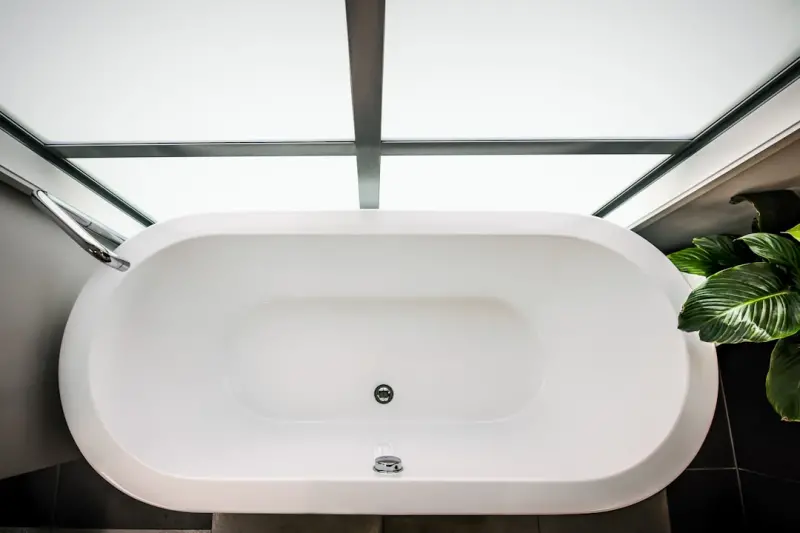
Why Bathtub Refinishing Beats Replacement for Smart Homeowners
Refinishing your tub can be a smarter, greener alternative to costly replacements. Learn the financi... Read More
Revitalize Your Bathroom: The Hidden ROI of Professional Bathtub Refinishing
Learn why bathtub refinishing is a cost‑effective, sustainable upgrade that enhances aesthetics, i... Read More
Bathtub Refinishing: The Smart, Sustainable Upgrade Every Property Manager Needs
Bathtub refinishing offers a cost‑effective, eco‑friendly alternative to full replacements, deli... Read More
Top Posts

Electrifying the Future: Edge AI’s Role in Smarter Power Management
Edge AI is reshaping electrical design and operations, offering real‑time power quality monitoring, predictive energy savings, and seamless integration with b...Read More

Why Trees Deserve a Seat at the Executive Table
A fresh look at tree care shows that mature canopies act like natural HVAC systems, cut costs, and enhance sustainability, making them essential strategic asset...Read More
Masonry’s Quiet Revolution: Harnessing Thermal Mass and Modern Fabrication
Masonry is undergoing a quiet transformation, merging its centuries‑old durability with modern thermal‑mass benefits, prefabricated panels, and digital tool...Read More

From Grass to Gold: Monetizing Precision Landscaping in Commercial Spaces
Learn to transform ordinary lawns into revenue generators using soil moisture probes, drone analytics, AI scheduling, and digital twins, creating savings, new i...Read More
0 Comments
Post Comment
You will need to Login or Register to comment on this post!