
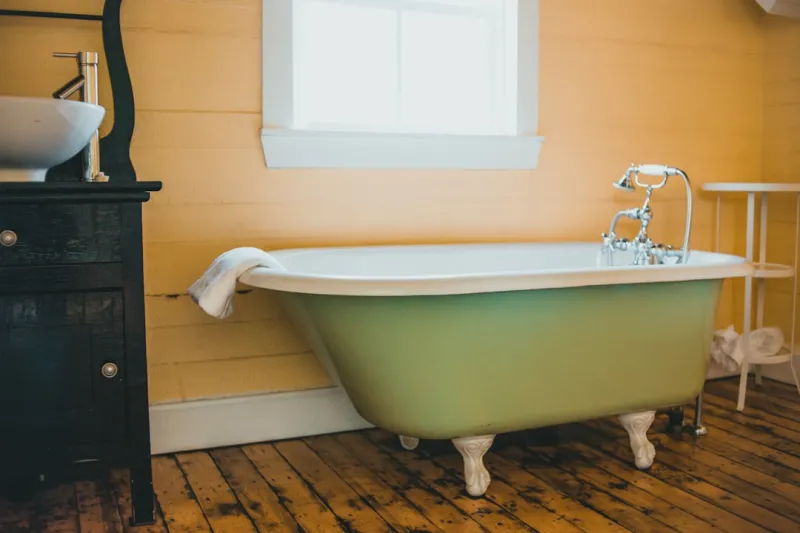
Bathtub Refinishing: A Sustainable Approach to Bathroom Renovations
As a homeowner, you're likely no stranger to the idea of renovating your bathroom. But did you know that traditional bathtub replacement methods can be not only costly, but also environmentally damaging? The process of removing and disposing of an old bathtub can result in significant waste, not to mention the energy required to manufacture and transport a new one. That's why I'm excited to share with you the sustainable approach of bathtub refinishing.
In this article, we'll explore the benefits of bathtub refinishing, how it works, and why it's a game-changer for eco-friendly bathroom renovations. We'll also discuss the intersection of sustainability and home renovations, and how sustainable practices are changing the game in the industry.
The Environmental Impact of Traditional Bathtub Replacement
Traditional bathtub replacement methods involve removing the old bathtub and disposing of it in a landfill. This process not only results in significant waste, but also requires the use of heavy machinery and energy to transport the old bathtub away. Additionally, the manufacture and transportation of a new bathtub require significant resources, including energy, water, and raw materials.
According to the Environmental Protection Agency (EPA), the construction industry generates over 600 million tons of waste each year, with a significant portion of that waste coming from demolition and renovation activities. By choosing a sustainable approach like bathtub refinishing, homeowners can significantly reduce their environmental footprint.
The Benefits of Bathtub Refinishing
So, what are the benefits of bathtub refinishing? For starters, it's a cost-effective solution that can save homeowners thousands of dollars compared to traditional bathtub replacement methods. Additionally, bathtub refinishing is a quick and easy process that can be completed in just a few days, minimizing disruption to your daily routine.
But perhaps the most significant benefit of bathtub refinishing is its environmental sustainability. By refinishing your existing bathtub, you're reducing the amount of waste generated by traditional replacement methods and conserving resources. Plus, many bathtub refinishing products are made with eco-friendly materials and are designed to be long-lasting and durable.
The Process of Bathtub Refinishing
So, how does bathtub refinishing work? The process typically involves cleaning and preparing the existing bathtub surface, applying a specialized coating or refinish, and allowing it to cure. The result is a like-new bathtub that's not only aesthetically pleasing, but also durable and long-lasting.
There are many different types of bathtub refinishing products available, including epoxy-based coatings, acrylic-based coatings, and polyurethane-based coatings. When choosing a bathtub refinishing product, it's essential to consider factors like durability, maintenance requirements, and environmental sustainability.
The Intersection of Sustainability and Home Renovations
The trend towards sustainability in home renovations is here to stay. As homeowners become increasingly aware of the environmental impact of their renovation choices, they're seeking out eco-friendly solutions like bathtub refinishing.
In fact, sustainable general contracting is becoming increasingly popular, with many contractors now offering eco-friendly renovation options. By choosing a sustainable approach to home renovations, homeowners can reduce their environmental footprint, improve indoor air quality, and increase the value of their property.
Sustainable Practices in Bathroom Renovations
So, what are some other sustainable practices that homeowners can incorporate into their bathroom renovations? For starters, consider installing low-flow showerheads and toilets, which can significantly reduce water consumption. Additionally, choose eco-friendly materials like recycled glass, bamboo, or reclaimed wood for your bathroom surfaces.
Another sustainable practice to consider is embracing sustainable kitchen renovations, which can have a significant impact on reducing energy consumption and waste. By choosing eco-friendly materials, appliances, and practices, homeowners can create a more sustainable kitchen that's not only good for the environment, but also good for their health and well-being.
Conclusion
In conclusion, bathtub refinishing is a sustainable approach to bathroom renovations that's not only eco-friendly, but also cost-effective and convenient. By choosing bathtub refinishing, homeowners can reduce their environmental footprint, conserve resources, and create a beautiful and functional bathroom that's perfect for relaxing and rejuvenating.
Whether you're a seasoned homeowner or just starting to explore the world of home renovations, I hope this article has provided you with valuable insights into the benefits and process of bathtub refinishing. So why not consider giving your bathtub a second chance and join the sustainable renovation revolution?
Additional Tips and Resources
For more information on sustainable home renovations, be sure to check out our other articles on sustainable home additions and sustainable property maintenance. By incorporating eco-friendly practices into your home renovation projects, you can create a more sustainable future for yourself and your community.

William Roy is a freelance writer originally from Montreal who moved to Ottawa with his wife of 50 years to be closer to their grandkids. Alongside his writing, William has a passion for fishing.
Related Posts
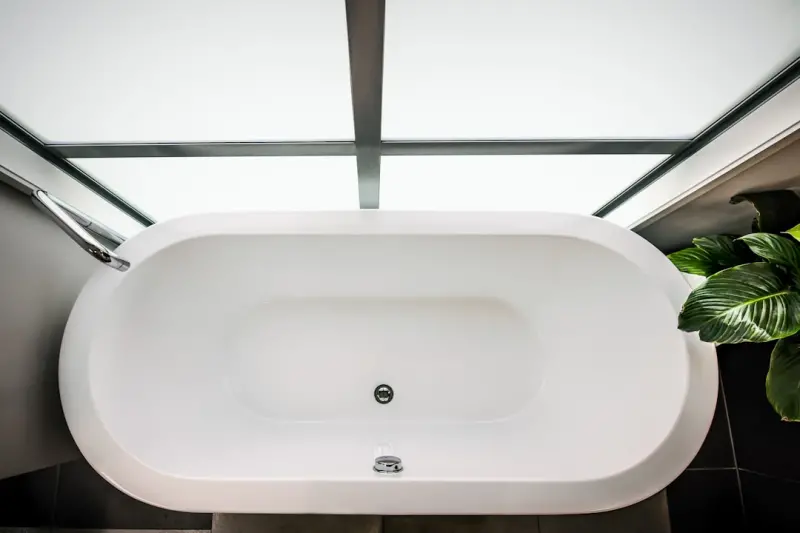
Why Bathtub Refinishing Is the Smart Green Choice for Modern Buildings
Bathtub refinishing extends the life of existing tubs, slashing carbon emissions and expenses. Learn... Read More
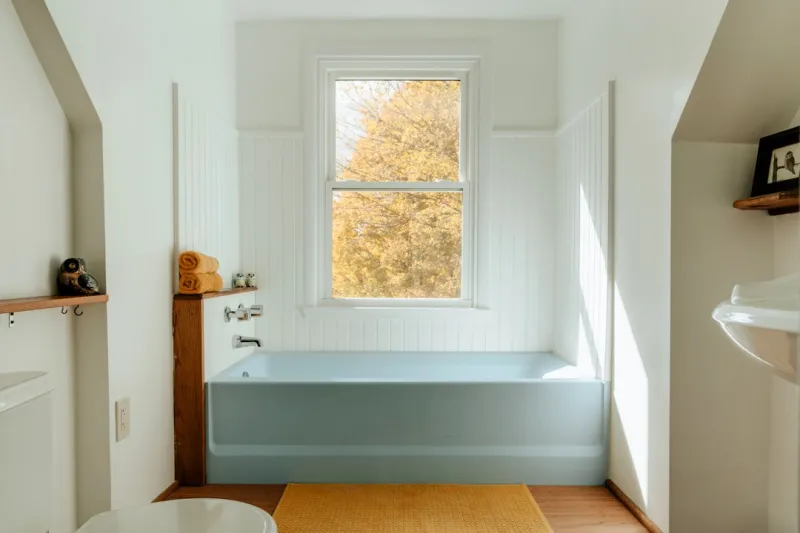
Bathtub Refinishing: A Sustainable Solution for a Fresh New Look
Bathtub refinishing is a sustainable solution for updating your bathroom without breaking the bank o... Read More

Why a Fresh Finish Beats a New Tub: The Insider’s Guide to Bathtub Refinishing
Refinishing a bathtub can save money, reduce downtime, and boost style. This insider’s guide expla... Read More
Top Posts
When Silence Sells: Harnessing Acoustic Window Treatments for Smarter Spaces
Acoustic window treatments turn sound management into a strategic asset, improving productivity, tenant satisfaction, and lease value while integrating seamless...Read More
Modular Electrical Architecture: Building a Scalable, Resilient Power Backbone
A deep dive into modular electrical architecture reveals how interchangeable, intelligent power modules can replace traditional breaker panels, enabling scalabl...Read More

Curating Window Layers: A Personal Guide to Seasonal Style and Smart Comfort
A personal journey into window styling: learn seasonal fabric swaps, smart textile upgrades, and DIY layering tricks that turn any pane into a statement of comf...Read More

Energy Inspection: Turning Compliance Into Competitive Edge
A deep dive into why energy inspection is more than a regulatory checkbox—it's a strategic lever for cost reduction, risk mitigation, and brand credibility....Read More
0 Comments
Post Comment
You will need to Login or Register to comment on this post!