
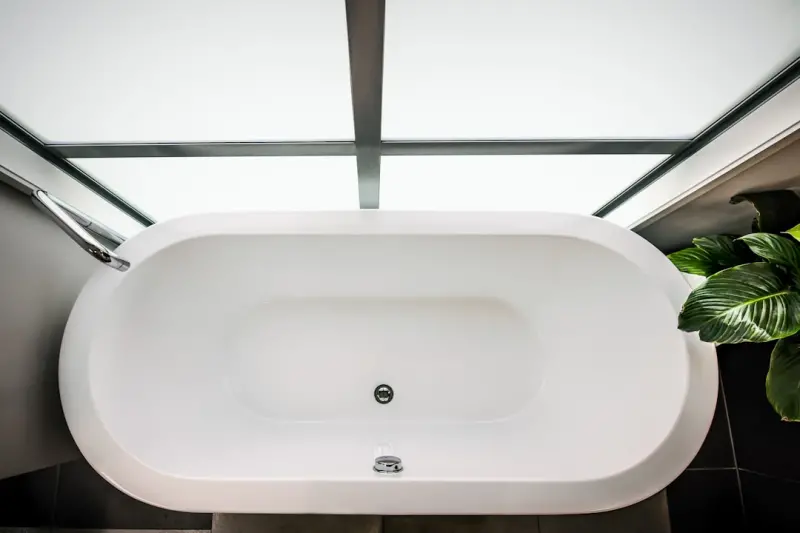
Rethinking the Bathroom: How Bathtub Refinishing Powers Sustainability and Savings
When I first stepped into a remodel‑ready bathroom, the cracked enamel and faded glaze of the tub whispered a familiar story: replace or refurbish? Most homeowners jump straight to a costly replacement, assuming it’s the only way to achieve a fresh look. But what if the answer lies not in new porcelain, but in a process that extends the life of the existing fixture while slashing waste, carbon emissions, and your budget?
In this post I’ll unpack the hidden advantages of bathtub refinishing, explore its place in a circular construction mindset, and share practical steps for property managers and designers who want to future‑proof their spaces without compromising on style or performance.
1. The Environmental Logic Behind Refinishing
Every new bathtub manufactured consumes raw materials—typically a blend of silica, feldspar, and other minerals—along with energy for molding, glazing, and transportation. According to industry studies, producing a single 60‑inch acrylic tub can emit up to 400 kg of CO₂. When you factor in the waste generated from discarded units, the environmental toll grows exponentially.
Refinishing, by contrast, treats the existing shell as a substrate and applies a high‑performance coating that restores shine and durability. The process consumes a fraction of the resources:
- Material usage: A single refinishing kit uses roughly 1‑2 kg of coating, compared to hundreds of kilograms of raw inputs for a new tub.
- Energy footprint: The curing phase typically requires low‑temperature ovens or heat lamps, consuming far less energy than the high‑temperature kilns used in manufacturing.
- Landfill diversion: Each refinished tub eliminates a potential 150‑lb waste item from landfill streams.
When you align bathtub refinishing with the principles of Circular Construction: Turning Waste into Profit, you’re not just extending the life of a fixture—you’re turning a linear consumption model into a regenerative loop.
2. Cost Savings That Add Up
Let’s talk dollars. A standard mid‑range bathtub replacement—including demolition, disposal, plumbing adjustments, and installation—often ranges between $3,000 and $5,000. Refinishing, performed by a qualified contractor, typically falls in the $300‑$600 bracket.
Beyond the immediate outlay, consider the total cost of ownership:
- Labor reduction: Refinishing eliminates the need for extensive plumbing re‑routing, saving both time and skilled labor costs.
- Reduced downtime: A refinishing project can often be completed in 1‑2 days, meaning tenants or occupants experience minimal disruption.
- Longevity: Modern epoxy and urethane coatings boast warranties of 10‑15 years, rivaling the lifespan of many new tubs.
For property owners managing multiple units, these savings compound dramatically—especially in multi‑family or hospitality settings where turnover is frequent.
3. Design Flexibility Without the Commitment
One of the most overlooked benefits of refinishing is the palette of finishes now available. Gone are the days of a single glossy white. Today’s coatings come in matte, satin, metallic, and even textured finishes, allowing designers to tailor the tub’s aesthetic to a specific brand or design language without the expense of a custom‑made unit.
Imagine a boutique hotel that wants a deep‑sea navy accent in its spa‑inspired bathroom. Rather than ordering a bespoke tub—an investment that might not survive a future redesign—the existing white tub can be refinished in that exact shade, then re‑finished later if the brand evolves. This reversible approach aligns perfectly with agile design strategies.
4. Integrating Smart Tech on a Refinished Surface
Smart bathroom technology—think heated seats, LED mood lighting, or integrated speakers—has traditionally been paired with new installations. However, refinishing does not preclude tech integration. Modern coating systems are engineered to adhere to silicone‑based fixtures, making them compatible with:
- Water‑proof Bluetooth speakers that nestle under the rim.
- Thin‑film heating elements embedded beneath the coating, delivering uniform warmth without altering the tub’s structure.
- UV‑responsive pigments that shift hue based on ambient light, an effect you’ll also find discussed in Smart Window Treatments: Light, Privacy, and Energy Mastery.
By selecting a coating that can accommodate these components, you future‑proof the bathroom without a full replacement, preserving both budget and sustainability goals.
5. Maintenance Best Practices Post‑Refinishing
A refinished tub is durable, but like any surface, it benefits from proper care to maximize its lifespan. Here are a few guidelines that have proven effective across residential and commercial projects:
- Gentle cleaning agents: Use pH‑neutral, non‑abrasive cleaners. Harsh chemicals can degrade the coating over time.
- Soft‑touch tools: Opt for microfiber cloths or non‑scratch sponges; avoid steel wool.
- Regular seal checks: Even high‑quality coatings can develop micro‑abrasions. A quick visual inspection every six months can catch early wear.
- Temperature control: While most modern coatings tolerate hot water, extreme temperature swings can cause micro‑cracking. Keep water temperature below 120 °F for prolonged baths.
Adopting these habits not only protects the investment but also reduces the frequency of touch‑up jobs, further enhancing the environmental payoff.
6. Case Study: A Mixed‑Use Development Saves $45K
To illustrate the real‑world impact, let’s examine a recent mixed‑use building in the Pacific Northwest. The developer faced a dilemma: 25 outdated acrylic tubs in the residential units needed a refresh before the next lease cycle.
Instead of ordering replacements, they partnered with a local refinishing specialist. The project timeline was as follows:
- Week 1‑2: Inspection and surface preparation for all units.
- Week 3‑4: Staggered refinishing, allowing each floor to remain occupied.
- Week 5: Final quality check and hand‑over.
The financial breakdown:
| Item | Cost |
|---|---|
| New tubs (including removal & disposal) | $90,000 |
| Refinishing (materials + labor) | $45,000 |
| Projected downtime loss (if replaced) | $12,000 |
By choosing refinishing, the developer saved roughly $45,000 in direct costs and avoided an estimated $12,000 in lost rent due to tenant displacement. Moreover, the project generated a marketing angle: “Eco‑Smart Living Spaces,” which boosted lease inquiries by 18 %.
7. Aligning Refinishing with Building Resilience
In an era where climate resilience is a core design criterion, every material decision counts. While a new tub can be engineered for durability, the embodied carbon of its production is a hidden vulnerability. Refinishing sidesteps this by reusing the existing substrate, thereby reducing the building’s overall carbon footprint.
When combined with other resilience strategies—such as water‑efficient fixtures, leak detection sensors, and the practical guide to weather‑resilient construction—refinishing becomes a piece of a holistic, low‑impact maintenance plan.
8. Decision Framework: When to Refine, When to Replace
Not every tub is a candidate for refinishing. Use the following checklist to determine the optimal path:
- Structural integrity: Cracks that penetrate the tub shell or significant warping usually demand replacement.
- Previous coating layers: More than two prior refinishes can make adhesion challenging; a fresh base may be required.
- Surface condition: Heavy staining, mold intrusion, or surface pitting may need professional remediation before coating.
- Budget & timeline constraints: If the project timeline is tight and budget limited, refinishing offers a rapid, cost‑effective solution.
When in doubt, a qualified contractor can perform a quick assessment and provide a recommendation based on longevity forecasts and cost‑benefit analysis.
9. The Bigger Picture: A Shift Toward Circularity
Bathtub refinishing exemplifies a shift from “take‑make‑dispose” to “maintain‑restore‑reuse.” It’s a tangible way for building owners to demonstrate commitment to circular economy principles—one that resonates with tenants increasingly attuned to sustainability metrics.
By integrating refinishing into your asset‑management strategy, you not only extend the useful life of a costly fixture but also create a narrative of responsible stewardship that can be leveraged in marketing, leasing, and ESG reporting.
10. Getting Started: A Practical Action Plan
Ready to explore refinishing for your property? Follow these steps:
- Audit your inventory: Catalog all tubs, noting age, material, and condition.
- Consult a certified refinisher: Verify their use of low‑VOC, water‑based coatings to align with indoor air quality goals.
- Develop a rollout schedule: Prioritize high‑traffic units or those with upcoming lease renewals.
- Integrate with maintenance software: Track coating warranties and schedule future touch‑ups—think of it as extending your maintenance dashboard to include surface finishes.
- Communicate the upgrade: Craft tenant communications that highlight the sustainability and aesthetic benefits, turning a routine maintenance task into a value‑added experience.
By treating bathtub refinishing not as a cosmetic fix, but as a strategic sustainability lever, you position your property at the forefront of responsible design—ready for today’s market and tomorrow’s regulatory landscape.

Lifan Chen is a freelancer based in Toronto specializing in marketing. With expertise in crafting effective marketing strategies and campaigns, Lifan helps businesses grow their brand presence and reach target audiences. As a Toronto-based freelancer, Lifan combines local market insights with creative marketing skills to deliver tailored solutions for clients.
Related Posts
Bathtub Refinishing: Turning a Drab Tub into a Spa‑Like Statement
A seasoned homeowner shares insider tips on turning an outdated bathtub into a spa‑like centerpiec... Read More
Reviving the Heart of Your Bathroom: The Untapped Power of Bathtub Refinishing
A deep dive into bathtub refinishing reveals emotional, environmental, and financial benefits, showi... Read More
The Sustainable Approach to Bathtub Refinishing: A Guide to Eco-Friendly Bathroom Renovations
Learn about the environmental benefits of bathtub refinishing and how it can be a cost-effective and... Read More
Top Posts

The Unconventional Toolbox: Repurposing Everyday Items for Quick Home Fixes
Learn how everyday objects like clothespins, rubber bands, and old credit cards can become powerful tools for quick DIY home repairs, boosting savings and confi...Read More

Solar Energy: The Strategic Edge Your Business Isn’t Using
Solar is more than a green initiative; it’s a data‑rich, financially flexible, and brand‑amplifying platform. This post reveals how businesses can turn ro...Read More
The Transformative Power of Home Painting: A Personal Journey
Explore the psychological, eco‑friendly, and resale advantages of painting your home, with insider tips on preparation, budgeting, and storytelling through co...Read More

Predictive Maintenance for HVAC: Harnessing AI to Keep Buildings Comfortable
Predictive maintenance uses sensors and AI to forecast HVAC failures before they happen, delivering energy savings, longer equipment life, and improved occupant...Read More
0 Comments
Post Comment
You will need to Login or Register to comment on this post!