

Welcome back to the blog, fellow homeowners and aspiring renovators! Paul Gray here, and today we’re tackling a topic that’s close to my heart and, let’s be honest, often the cause of both immense joy and significant stress: home renovation. You see, after years in the trenches of construction and home improvement, I’ve learned that the difference between a dream renovation and a nightmare scenario often boils down to one critical element: the checklist. Not just any checklist, mind you, but a comprehensive, thoughtful, and adaptable guide that anticipates challenges and streamlines the entire process.
Renovating your home is more than just swinging a hammer or picking out new paint colors. It’s an investment, a disruption, and a creative act all rolled into one. Without a solid plan, even the simplest project can quickly spiral out of control, costing you more time, money, and headaches than you ever imagined. That’s why I advocate for a meticulous approach, starting long before the first nail is driven. Think of this as your essential guide to navigating the thrilling, yet sometimes treacherous, waters of home transformation.
The Blueprint Before the Hammer Falls: Vision and Planning
Every successful renovation begins not with demolition, but with detailed, often introspective, planning. This initial phase is where you lay the groundwork, define your objectives, and anticipate potential hurdles. Skipping this crucial step is like setting sail without a map – you might get somewhere, but it probably won't be your intended destination.
Defining Your "Why"
Before you even think about colors or fixtures, ask yourself: Why are you renovating? Is it for increased functionality, aesthetic appeal, resale value, or a combination? Understanding your primary motivation will guide every decision you make. For instance, a renovation driven by a desire to sell quickly will prioritize broad appeal and cost-effective upgrades, whereas a "forever home" renovation allows for more personalized and premium choices. Be clear about your long-term goals and how this project fits into the bigger picture of your home ownership.
Budgeting Like a Pro
Ah, the budget. Often the most intimidating part, but also the most vital. My advice? Be brutally honest with yourself about what you can afford. Start with a realistic figure, then add a contingency fund – at least 15-20% for unforeseen issues. This isn't being pessimistic; it's being prepared. Renovations rarely go exactly to plan, and discovering unexpected plumbing issues or structural surprises can quickly derail a tight budget. Outline every foreseeable expense, from materials and labor to permits and potential temporary housing.
Assembling Your A-Team: Contractors, Designers, and Architects
Unless you're a seasoned DIYer, you'll need professional help. This is where your vetting process becomes paramount. Don't just pick the first name in the phone book. Seek recommendations, check references, and view portfolios. Look for professionals who communicate clearly, understand your vision, and respect your budget. Get multiple quotes, and ensure they are detailed, breaking down labor, materials, and timelines. Remember, a good contractor is your partner in this journey, not just a hired hand.
Navigating the Red Tape and Logistics
With your vision and team in place, it’s time to dive into the practicalities that often trip up even the most enthusiastic renovators.
Permits: Your Non-Negotiable First Step
This cannot be stressed enough: obtain the necessary permits! Ignoring this step can lead to hefty fines, project stoppages, and even difficulties selling your home in the future. Local building codes exist for a reason – safety and structural integrity. Your contractor should be knowledgeable about local requirements, but ultimately, it's your responsibility as the homeowner to ensure everything is above board. Don't let impatience lead to costly mistakes down the line.
The Timeline Tangle
Renovations almost always take longer than you expect. Factor in delays for material delivery, inspection scheduling, and unexpected discoveries. A detailed timeline from your contractor is a great starting point, but always add a buffer. Clear communication with your team about progress and potential delays is key to managing your own expectations and keeping stress levels down. For larger projects, especially those involving major structural changes like some basement renovations, timelines can extend significantly.
Material Selection: Quality vs. Cost
This is a balancing act. While it's tempting to opt for the cheapest materials to save money, consider the long-term implications. Cheap materials might look good initially but often lack durability, leading to earlier replacement and higher costs over time. Invest in quality where it matters most – structural components, windows and doors, and high-traffic surfaces. For less critical elements, you might find more budget-friendly options that still offer good value and aesthetics.
The Renovation in Motion: Managing the Chaos
Once the work begins, your home will transform into a construction zone. Being prepared for this phase is crucial for maintaining your sanity.
Communication is Key
Maintain an open and consistent line of communication with your contractor. Schedule regular check-ins – daily, weekly, whatever works best for both parties. Discuss progress, address concerns, and clarify any questions promptly. Misunderstandings can snowball into significant problems, so proactive communication is your best defense.
Expect the Unexpected (and Budget for It)
This goes hand-in-hand with your contingency fund. During demolition, old wiring might be discovered, or mold might be lurking behind a wall. These aren't necessarily signs of a bad contractor; they're simply the realities of dealing with older homes. Be prepared for these curveballs, both financially and emotionally. Your ability to adapt and make quick, informed decisions will be invaluable.
Living Through the Renovation
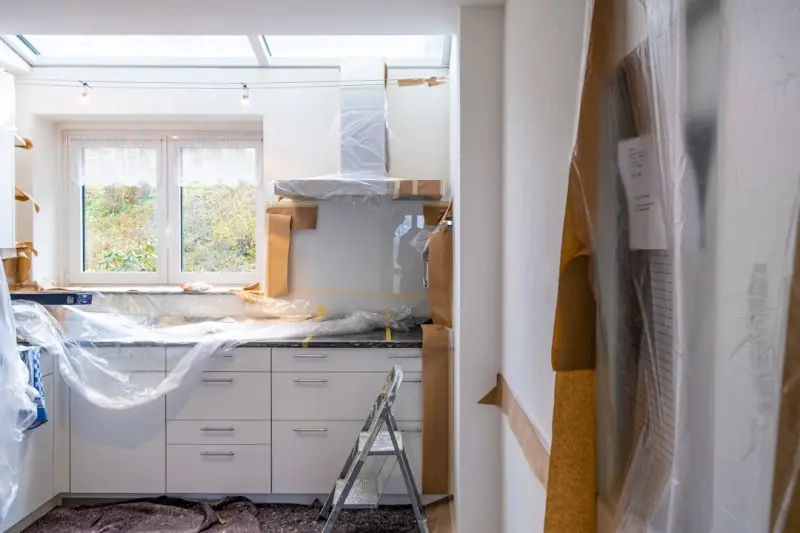
Depending on the scope, you might need to live elsewhere temporarily. If you're staying put, establish clear boundaries with your work crew, designate "off-limits" areas, and prepare for dust, noise, and disruption. Protect your belongings, cover furniture, and understand that your daily routine will be impacted. Creating a temporary kitchen or living space can make the experience more bearable. Consider how systems like your home's plumbing system might be affected, and plan for any temporary outages.
The Grand Reveal and Beyond
The dust settles, the tools are packed, and your transformed space is finally ready to be enjoyed. But before you pop the champagne, there are a few more critical steps.
Final Walkthroughs and Punch Lists
Before making the final payment, conduct a thorough walkthrough with your contractor. Inspect every detail. Test all new fixtures, check paint finishes, and ensure everything functions as promised. Create a "punch list" of any items that need correction or adjustment. Be specific and give your contractor a reasonable timeframe to complete these items.
Warranties and Documentation
Gather all warranties for appliances, materials, and labor. Keep a comprehensive file of all contracts, invoices, permits, and communication. This documentation is crucial for future maintenance, potential warranty claims, or if you decide to sell your home. It provides a valuable record of the work performed and the quality of materials used.
Enjoying Your Transformed Space
Finally, the best part! Take a moment to appreciate your hard work and the beautiful new space you've created. Remember the initial "why" behind your renovation and soak in the satisfaction of seeing your vision come to life. Your home isn't just a structure; it's a reflection of you, and a well-executed renovation can significantly enhance your quality of life.
Renovating a home is undoubtedly a marathon, not a sprint. It demands patience, meticulous planning, and a robust checklist to guide you every step of the way. By following these principles, you're not just renovating a house; you're building a better home and a more enjoyable experience. Until next time, happy renovating!

Paul Gray is a dynamic blogger based in Brampton, where he shares his life with his amazing wife, Sarah. Known for his engaging writing style and relatable insights, Paul has carved out a niche in the blogging world that resonates with readers from all walks of life. When he's not crafting captivating posts, you can find him savoring a cold beer or indulging in the latest blockbuster movie. With a friendly demeanor and a passion for storytelling, Paul brings a unique perspective to his work, making him not just a blogger, but a voice for those who appreciate the simple joys of life.
Related Posts
Renovation Checklist: Future‑Ready Flex Spaces and Tech‑Savvy Upgrades
A detailed, step‑by‑step renovation checklist helps homeowners create adaptable, tech‑enabled ... Read More

The Ultimate Renovation Checklist for First‑Time Homeowners
A comprehensive, step‑by‑step renovation checklist that helps first‑time homeowners plan, budg... Read More

The Ultimate Renovation Checklist for Aging‑In‑Place Homes
Discover a comprehensive, printable checklist that guides homeowners through every stage of an aging... Read More
Top Posts

Cool Streets Ahead: How Reflective, Permeable Paving Can Transform Urban Heat
Explore the rise of light‑colored, permeable paving as a climate‑smart solution that cools streets, manages stormwater, and offers lasting durability for mo...Read More

The Smart Home Advantage of Radiant Floor Heating
Explore why radiant floor heating is the perfect complement to a smart home, delivering energy savings, health perks, design flexibility, and a pathway to green...Read More

Cultivating a Year‑Round Pollinator Paradise in Urban Gardens
Discover step‑by‑step strategies to create a year‑round pollinator garden in tight urban spaces, from plant selection and microclimate design to low‑cos...Read More

Seasonal Wardrobe Rotation: Turning Your Closet into a Year‑Round Organizer
Learn to transform a static closet into a flexible, seasonal storage solution that simplifies dressing, extends garment life, and brings calm to your daily rout...Read More
0 Comments
Post Comment
You will need to Login or Register to comment on this post!