
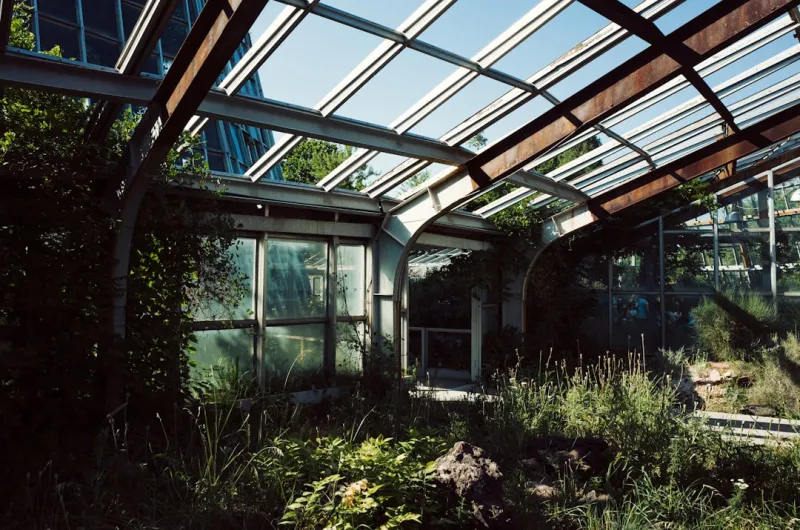
Sunrooms: A Sustainable Way to Bring the Outdoors In
As a homeowner, I'm always looking for ways to create a more sustainable and eco-friendly living space. One way to do this is by incorporating a sunroom into your home. A sunroom is a room that is designed to capture natural light and provide a seamless transition between indoors and outdoors. Not only do sunrooms provide a beautiful and relaxing space, but they can also help reduce your carbon footprint.
Sunrooms are a great way to bring the outdoors in, and they can be designed to be highly energy efficient. By using large windows and skylights, sunrooms can capture natural light and reduce the need for artificial lighting. This can help reduce your energy consumption and lower your utility bills. Additionally, sunrooms can be designed with sustainable materials, such as reclaimed wood and low-VOC paints, to minimize their impact on the environment.
The Benefits of Sunrooms
There are many benefits to incorporating a sunroom into your home. One of the main benefits is the natural light that sunrooms provide. Natural light has been shown to have a positive impact on mental health and can even help regulate your circadian rhythms. Sunrooms also provide a seamless transition between indoors and outdoors, which can be especially beneficial for homes with small outdoor spaces.
Another benefit of sunrooms is their ability to increase the value of your home. A well-designed sunroom can be a major selling point for potential buyers and can help increase the resale value of your home. Additionally, sunrooms can be used for a variety of purposes, such as a home office, reading nook, or even a greenhouse.
Sustainable Design Options for Sunrooms
When designing a sunroom, there are many sustainable options to consider. One option is to use sustainable design build techniques, which involve designing and building your sunroom with sustainability in mind. This can include using recycled materials, reducing waste, and incorporating energy-efficient systems.
Another option is to use sustainable materials, such as bamboo and reclaimed wood, for your sunroom's structure and finishes. These materials are highly durable and can help reduce your carbon footprint. Additionally, you can incorporate sustainable flooring options, such as cork and bamboo, into your sunroom design.
Energy Efficiency in Sunrooms
Energy efficiency is a key consideration when designing a sunroom. One way to increase energy efficiency is to use energy-efficient windows and skylights. These can help reduce heat loss in the winter and heat gain in the summer, which can help lower your energy consumption. Additionally, you can incorporate energy inspections into your sunroom design to identify areas where energy is being wasted.
Another way to increase energy efficiency is to use passive solar design techniques. This involves designing your sunroom to capture natural light and heat from the sun, which can help reduce your energy consumption. This can include using large south-facing windows, thermal mass materials, and overhangs to control solar gain.
Conclusion
Incorporating a sunroom into your home can be a great way to create a sustainable and eco-friendly living space. By using sustainable design options, energy-efficient systems, and passive solar design techniques, you can create a sunroom that is not only beautiful but also environmentally friendly. Whether you're looking to increase the value of your home, reduce your carbon footprint, or simply create a relaxing space, a sunroom is a great option to consider.
By choosing sustainable materials and design options, you can create a sunroom that is not only good for the environment but also good for your health and well-being. So why not consider incorporating a sunroom into your home? With its many benefits and sustainable design options, it's a decision you won't regret.
Final Tips and Considerations
When designing your sunroom, there are a few final tips and considerations to keep in mind. First, be sure to work with a qualified contractor who has experience designing and building sunrooms. They can help you navigate the design and building process and ensure that your sunroom is both sustainable and energy efficient.
Second, consider incorporating sustainable commercial renovations into your sunroom design. This can include using recycled materials, reducing waste, and incorporating energy-efficient systems.
Finally, be sure to consider the long-term maintenance and upkeep of your sunroom. This can include regular cleaning, inspecting for damage, and making repairs as needed. By taking these steps, you can ensure that your sunroom remains a beautiful and sustainable space for years to come.
The Future of Sunrooms
The future of sunrooms is bright, with more and more homeowners looking for ways to create sustainable and eco-friendly living spaces. As technology continues to evolve, we can expect to see even more innovative and sustainable design options for sunrooms. Whether you're looking to increase the value of your home, reduce your carbon footprint, or simply create a relaxing space, a sunroom is a great option to consider.
By choosing sustainable materials and design options, you can create a sunroom that is not only good for the environment but also good for your health and well-being. So why not consider incorporating a sunroom into your home? With its many benefits and sustainable design options, it's a decision you won't regret.
Additional Resources
If you're interested in learning more about sunrooms and sustainable design, there are many resources available. You can start by checking out online forums and websites, which can provide a wealth of information and inspiration. Additionally, you can consult with a qualified contractor or designer who has experience with sustainable design and sunrooms.
By taking the time to research and plan your sunroom, you can create a beautiful and sustainable space that you'll enjoy for years to come. So why not get started today?
Sunroom Design and Maintenance
Sunroom design and maintenance are crucial to ensuring that your sunroom remains a beautiful and sustainable space. This can include regular cleaning, inspecting for damage, and making repairs as needed. Additionally, you can consider incorporating sustainable design options, such as energy-efficient windows and sustainable materials, into your sunroom design.
By taking these steps, you can ensure that your sunroom remains a beautiful and sustainable space for years to come. Whether you're looking to increase the value of your home, reduce your carbon footprint, or simply create a relaxing space, a sunroom is a great option to consider.
Conclusion
In conclusion, sunrooms are a great way to create a sustainable and eco-friendly living space. By using sustainable design options, energy-efficient systems, and passive solar design techniques, you can create a sunroom that is not only beautiful but also environmentally friendly. Whether you're looking to increase the value of your home, reduce your carbon footprint, or simply create a relaxing space, a sunroom is a great option to consider.
By choosing sustainable materials and design options, you can create a sunroom that is not only good for the environment but also good for your health and well-being. So why not consider incorporating a sunroom into your home? With its many benefits and sustainable design options, it's a decision you won't regret.

Paul Gray is a dynamic blogger based in Brampton, where he shares his life with his amazing wife, Sarah. Known for his engaging writing style and relatable insights, Paul has carved out a niche in the blogging world that resonates with readers from all walks of life. When he's not crafting captivating posts, you can find him savoring a cold beer or indulging in the latest blockbuster movie. With a friendly demeanor and a passion for storytelling, Paul brings a unique perspective to his work, making him not just a blogger, but a voice for those who appreciate the simple joys of life.
Related Posts

Sunrooms: The Next Frontier for Hybrid Workspaces
Explore how transforming a sunroom into a smart, climate‑controlled workspace can enhance focus, w... Read More
How Sunrooms Can Supercharge Employee Well‑Being and Reduce Energy Costs
A sunroom isn’t just a bright extra room; it’s a strategic wellness hub that lowers energy use, ... Read More

Reimagining Sunrooms: From Seasonal Nooks to Year‑Round Wellness Sanctuaries
Sunrooms can evolve from seasonal extensions to holistic wellness sanctuaries. Learn how biophilic d... Read More
Top Posts

How AI Is Redefining Snow Removal for Modern Enterprises
Snow removal is evolving from a seasonal chore into a data‑driven, strategic operation. Learn how AI, IoT sensors, and subscription services can improve safet...Read More

The Green Revolution in Plastering: Sustainable Techniques for a Greener Tomorrow
As a seasoned plasterer, I'm excited to share the latest sustainable plastering techniques and materials that are transforming the industry. From eco-friendly m...Read More

Design‑Build Fusion: Harnessing Real‑Time 3D Digital Twins to Accelerate Projects
Real‑time 3D digital twins are revolutionizing design‑build by providing instant feedback, risk transparency, and client empowerment, turning speculative de...Read More
Reinventing the Closet: Data‑Driven Design for Smarter Storage
Learn how to turn a cluttered closet into an intelligent, data‑driven system using affordable sensors, modular design, and sustainable materials, boosting org...Read More
0 Comments
Post Comment
You will need to Login or Register to comment on this post!