
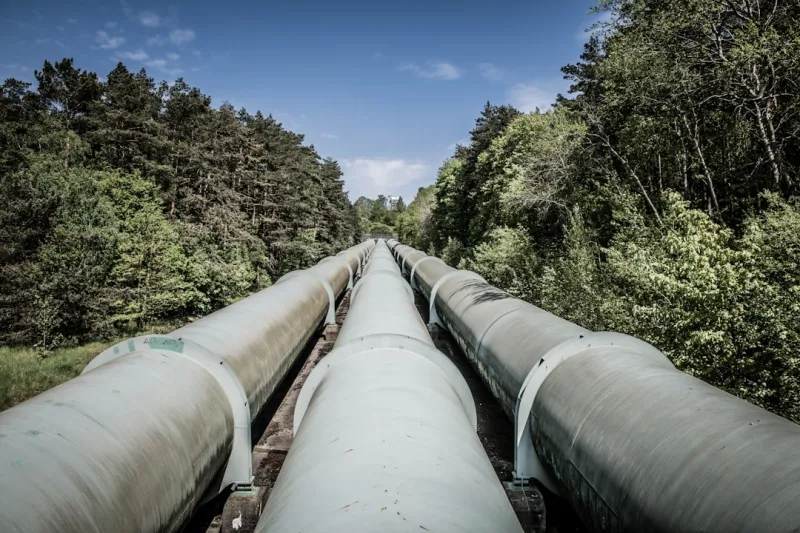
Rethinking Residential Plumbing: A Sustainable Blueprint
When I first pulled back a wall to reveal a corroded copper pipe, I realized that the traditional “fix‑and‑forget” mentality was costing homeowners both money and the planet; today, a sustainable overhaul is not just a trend but a necessity that blends durability with eco‑efficiency. The modern plumber must think like a systems engineer, evaluating water flow, pressure loss, and thermal dynamics while also sourcing materials that reduce leaching and carbon footprints. In this piece, I’ll walk you through the most impactful upgrades that can transform a leaky, wasteful network into a resilient, green‑friendly asset for years to come.
The Hidden Cost of Outdated Pipe Materials
Decades‑old galvanized steel and brittle PVC have a tendency to develop pinhole leaks, which silently waste thousands of gallons of water each year and force water heaters to work harder, inflating utility bills and greenhouse gas emissions; replacing them with cross‑linked polyethylene (PEX) or copper‑clad stainless steel not only extends service life but also improves thermal conductivity, meaning hot water arrives faster with less energy input. Moreover, the manufacturing process for these newer alloys has been refined to lower embodied energy, making each foot of pipe a small victory against climate change. Choosing the right material is the first line of defense in a sustainable plumbing strategy, and it sets the stage for every downstream improvement.
Leak Detection and Modern Waterproofing Solutions
Early leak detection is where technology truly shines; acoustic sensors, smart meters, and even Wi‑Fi‑enabled moisture probes can alert you to a dripping joint before it becomes a flood, allowing for targeted repairs that save water and prevent structural damage. Pairing these tools with modern waterproofing techniques creates a synergistic barrier that protects foundations, basements, and crawl spaces from seepage that would otherwise compromise pipe integrity. By integrating sensor data into a homeowner’s smartphone, you gain a real‑time dashboard of water usage, pressure spikes, and potential failures, turning what was once a reactive process into a proactive, sustainable maintenance regimen.
Insulating Pipes for Energy Efficiency
Thermal loss through uninsulated hot water lines can account for up to 15 % of a household’s heating load, a figure that skyrockets in colder climates and translates directly into higher carbon output; wrapping pipes with foam or reflective insulation reduces this loss dramatically, delivering hotter water faster while easing the burden on water heaters. Insulation also mitigates the risk of freezing, which can cause burst pipes—a catastrophic event that wastes water and necessitates costly repairs. When selecting an insulating material, look for products with recycled content and low VOC emissions to keep the environmental impact as minimal as possible.
Synchronizing Plumbing with Sustainable Gutter Systems
Many homeowners overlook the relationship between roof runoff and underground plumbing, yet improperly drained gutters can overload stormwater systems, causing water to infiltrate basements and overwhelm pipe joints; upgrading to sustainable gutter upgrades such as rain‑garden‑linked downspouts or permeable trench drains ensures that excess rain is diverted safely away from the foundation and the plumbing network. This holistic approach not only prevents moisture‑induced corrosion but also captures valuable runoff for reuse in irrigation, creating a closed‑loop water cycle that lessens municipal demand and conserves resources.
Eco‑Friendly Fixtures That Don’t Compromise Performance
Low‑flow showerheads, dual‑flush toilets, and aerated faucets have come a long way since their early iterations; today’s models incorporate air‑mixing technology and sensor‑based controls that maintain pressure while slashing water consumption by up to 40 %, delivering the same user experience with far less waste. Pairing these fixtures with a recirculation pump that draws warm water from the tank only when needed eliminates the “cold‑water shock” that many people tolerate, further reducing the amount of water poured down the drain while saving energy. When selecting fixtures, prioritize those bearing the WaterSense label or other third‑party certifications that guarantee verified performance.
Routine Maintenance and the Role of Mold Prevention
Even the most advanced plumbing system will falter without a disciplined maintenance schedule; regular inspections for mineral buildup, valve wear, and pipe corrosion catch problems early, and flushing the system quarterly helps prevent stagnation that encourages bacterial growth. Mold thrives in damp, poorly ventilated pipe cavities, so incorporating a brief discussion of mold removal mastery into your routine can safeguard indoor air quality while extending pipe lifespan. A simple visual check, combined with a moisture meter, can reveal hidden hotspots before they evolve into costly remediation projects.
Smart Plumbing: Sensors, AI, and the Future of Water Management
Artificial intelligence is now entering the plumbing arena, with machine‑learning algorithms analyzing consumption patterns to predict leaks, recommend flow‑optimizing adjustments, and even suggest seasonal pipe insulation upgrades; these platforms integrate with home automation hubs, allowing you to shut off water remotely, schedule maintenance alerts, and track sustainability metrics over time. By leveraging data from smart valves and pressure transducers, homeowners can achieve a dynamic balance between comfort and conservation, ensuring that every drop is accounted for without sacrificing performance. Embracing these innovations positions your home at the forefront of a greener, more resilient future.
Putting It All Together: Your Action Plan for a Greener Plumbing System
Start by conducting a comprehensive audit of existing pipes, fixtures, and drainage connections, then prioritize replacements based on leak risk, energy loss, and material sustainability; follow up with the installation of smart leak detectors and a modest upgrade to pipe insulation, and don’t forget to align your gutter runoff strategy with the new plumbing layout to prevent moisture intrusion. Finally, schedule bi‑annual inspections, replace high‑flow fixtures with certified low‑flow alternatives, and integrate a data‑driven dashboard that keeps you informed about water usage trends and potential issues. By approaching plumbing as an interconnected, sustainable system, you protect your home, your wallet, and the planet—all while delivering the reliable performance modern life demands.

Paul Gray is a dynamic blogger based in Brampton, where he shares his life with his amazing wife, Sarah. Known for his engaging writing style and relatable insights, Paul has carved out a niche in the blogging world that resonates with readers from all walks of life. When he's not crafting captivating posts, you can find him savoring a cold beer or indulging in the latest blockbuster movie. With a friendly demeanor and a passion for storytelling, Paul brings a unique perspective to his work, making him not just a blogger, but a voice for those who appreciate the simple joys of life.
Related Posts
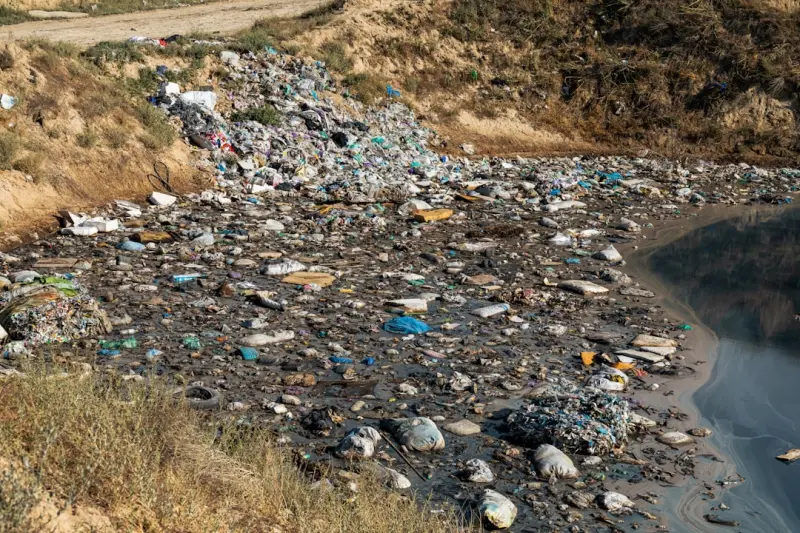
Turning Waste into Resource: Grey‑Water Recycling Strategies for Modern Buildings
Grey‑water recycling transforms bathroom and laundry runoff into a valuable water source, deliveri... Read More
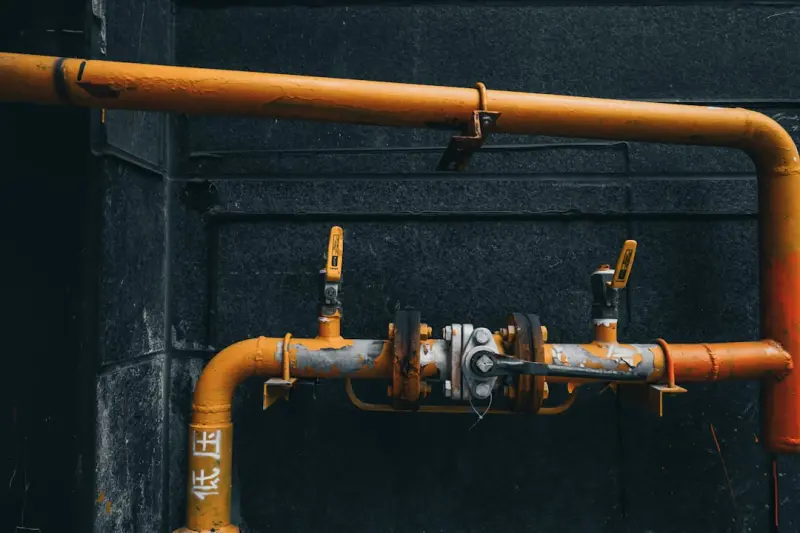
Unlocking Hidden Value: Proactive Plumbing Audits for Commercial Spaces
A proactive plumbing audit reveals hidden leaks, inefficiencies, and sustainability opportunities, d... Read More
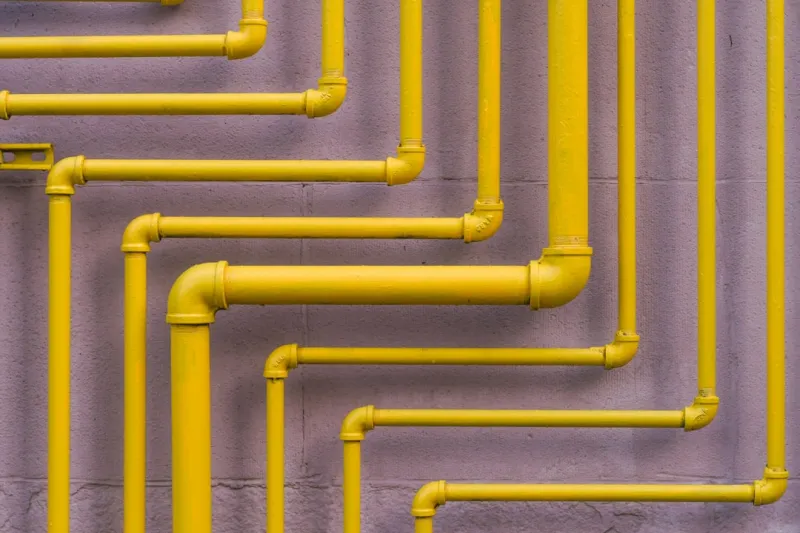
The Intersection of Plumbing and Sustainable Home Restoration
Plumbing plays a critical role in sustainable home restoration. Learn how to adopt eco-friendly plum... Read More
Top Posts

Predictive Change Order Management: Turning Uncertainty into Profit
Change orders often erode profits and delay schedules, but a data‑driven approach can turn them into predictable variables. Learn how predictive analytics, re...Read More

Drone‑Enabled Home Inspections: The Future is Now
A deep dive into how drones, AI, and thermal imaging are reshaping home inspections, offering faster, safer, and more data‑driven assessments that benefit bot...Read More

DIY Home Repairs: A Beginner's Guide to Getting Started
Get started with DIY home repairs and develop the skills and confidence you need to tackle more complex projects. Learn the basics, safety precautions, and tips...Read More
The Untapped Power of Radiant Floor Heating: Health, Efficiency, and Smart Integration
Radiant floor heating is evolving from a comfort feature to a strategic asset, delivering health benefits, energy savings, and seamless smart‑home integration...Read More
0 Comments
Post Comment
You will need to Login or Register to comment on this post!