

Renovating a home that will serve multiple generations is a balancing act between nostalgia, modern convenience, and long‑term resilience. As someone who’s spent years swinging a hammer, drafting plans on a laptop, and negotiating with contractors, I’ve learned that a solid checklist is the backbone of any successful project. Below is the comprehensive, battle‑tested checklist I use when turning a family‑run house into a versatile, future‑proof haven.
1. Define the Vision and Scope Early On
Before you even pick up a paint swatch, sit down with every stakeholder—grandparents, parents, and even the kids—and map out what each generation needs. Ask questions like:
- Do we need a quiet reading nook for retirees?
- Will there be a home office for remote work?
- Are there plans for aging‑in‑place modifications such as walk‑in showers?
Write these wishes down in a living document (Google Docs works wonders) and rank them by priority. This “vision board” will guide every subsequent decision and keep scope creep at bay.
2. Set a Realistic Budget—and Build a Contingency Buffer
Budgeting is where most homeowners stumble. Start with a high‑level estimate based on square footage and the level of finishes you want. Then break it down:
- Hard costs: demolition, framing, plumbing, electrical, finishes.
- Soft costs: design fees, permits, inspections.
- Contingency: reserve at least 10‑15 % of the total budget for the inevitable surprise (think hidden rot or outdated wiring).
For those who love data‑driven decisions, leveraging analytics to forecast cost overruns can save you thousands in the long run.
3. Conduct a Thorough Existing‑Structure Assessment
Before ripping walls, hire a qualified inspector to evaluate:
- Foundation health and any signs of settlement.
- Roof integrity—look for missing shingles, water stains, and ventilation issues.
- Electrical capacity; older homes often need a panel upgrade to accommodate modern loads.
- Plumbing material—copper, PEX, or galvanized steel each have different lifespans.
Document findings with photos and notes. This record becomes priceless when negotiating with contractors or filing insurance claims later.
4. Prioritize Accessibility and Safety Features
Multi‑generational living demands a home that’s safe for everyone, from toddlers to seniors. Key upgrades include:
- Zero‑threshold showers and wider doorways (minimum 32‑inches).
- Non‑slip flooring in high‑traffic areas—think engineered hardwood with a matte finish or luxury vinyl plank.
- Lever‑style faucets and hardware for easier grip.
- Strategic lighting: motion‑sensor night lights in hallways and staircases.
- Handrails on both sides of stairs and in bathrooms.
These tweaks not only improve safety but also increase the home’s resale value.
5. Future‑Proof the Infrastructure
Technology evolves faster than any paint color. To avoid another costly remodel in five years, consider:
- Pre‑wiring for Ethernet and Wi‑Fi 6 mesh systems in every room.
- Dedicated circuits for electric vehicle chargers, high‑power appliances, and home‑office equipment.
- Smart thermostat and lighting controls that can be programmed for different schedules.
- Plumbing risers placed in accessible chase walls for easy future upgrades.
Thinking ahead here prevents you from having to chase walls later.
6. Choose Sustainable, Low‑Maintenance Materials
Durability and environmental stewardship go hand‑in‑hand. When selecting finishes, ask yourself:
- Is the material sourced responsibly?
- Does it have a long lifespan with minimal upkeep?
- Can it be recycled or repurposed at end‑of‑life?
For a deep dive into eco‑friendly options, the Sustainable Material Playbook for Modern Handymen is a treasure trove of low‑VOC paints, reclaimed wood, and high‑performance insulation.
7. Develop a Phased Construction Timeline
Renovations rarely happen all at once. Break the project into logical phases to minimize disruption:
- Phase 1 – Structural Work: framing, roof, and any foundation repairs.
- Phase 2 – Rough‑In: plumbing, electrical, HVAC.
- Phase 3 – Insulation & Drywall: sealing the envelope.
- Phase 4 – Finishes: flooring, cabinetry, paint, trim.
- Phase 5 – Fixtures & Final Touches: lighting, hardware, smart devices.
Staggered phases give you flexibility to live in part of the house while work continues elsewhere.
8. Vet Contractors Like a Pro
Choosing the right team can make or break the project. My vetting checklist includes:
- Verify licensure and insurance coverage.
- Ask for references from recent multi‑family or accessibility projects.
- Review a detailed, line‑item estimate—no vague “all‑inclusive” numbers.
- Confirm a clear communication plan (weekly status emails, a shared project board, etc.).
- Check if they’re comfortable working with sustainable or smart‑home materials.
A contractor who respects your checklist will stick to it; one who doesn’t will quickly become a headache.
9. Secure Permits and Schedule Inspections
Skipping permits to save time is a false economy. Most municipalities require permits for structural changes, electrical upgrades, and plumbing work. To streamline the process:
- Prepare a complete set of drawings and specifications before you submit.
- Use a permit expediting service if you’re on a tight schedule.
- Schedule inspections at key milestones (post‑framing, pre‑drywall, final).
Having the paperwork in order keeps the project on schedule and protects you from future legal headaches.
10. Integrate Classic Details with Modern Flair
There’s a fine line between preserving heritage and creating a fresh look. One trick I love is to pair timeless trim work with contemporary hardware. For inspiration, see Reviving Classic Trim—it shows how modest crown molding or wainscoting can elevate a modern interior without feeling dated.
11. Plan for Efficient Storage Solutions
Multi‑generational homes often double as a repository for seasonal gear, hobby equipment, and grandchildren’s toys. Instead of a one‑size‑fits‑all closet, design modular storage zones that can be reconfigured as needs change. Think built‑in pull‑out cabinets, adjustable shelving, and labeled bins. This approach keeps clutter at bay and reduces the need for future remodels.
12. Establish a Punch‑List Protocol
When construction winds down, a thorough punch list ensures nothing slips through the cracks:
- Check every fixture for proper operation (lights, faucets, smart thermostats).
- Inspect paint coverage for missed spots.
- Verify that all doors and drawers close smoothly.
- Confirm that any promised accessibility features (grab bars, ramps) are installed to code.
- Document any remaining touch‑ups and set a clear deadline for completion.
Having a written, signed-off punch list protects both you and the contractor.
13. Create a Long‑Term Maintenance Roadmap
Renovation isn’t a one‑off event; it’s the beginning of a lifecycle. Draft a maintenance schedule that covers:
- Seasonal HVAC filter changes.
- Bi‑annual inspections of the roof, gutters, and foundation.
- Annual checks of smart‑home firmware updates.
- Routine cleaning of non‑slip flooring to preserve its grip.
Consistent upkeep not only prolongs the life of your investment but also keeps the home safe for every family member.
14. Leverage Technology for Ongoing Oversight
Today’s renovation projects can be monitored in real time using project‑management apps, 3‑D models, and even wearable safety devices for crew members. By integrating a simple dashboard that tracks budget burn‑rate, timeline progress, and material deliveries, you gain the same visibility that commercial developers enjoy—without the enterprise price tag.
15. Celebrate the Completion—and Capture It
Once the final nail is hammered and the punch list cleared, take a moment to celebrate. Organize a family walkthrough, snap before‑and‑after photos, and record short video tours. These memories not only reinforce the sense of accomplishment but also provide valuable documentation for future resale or insurance purposes.
Renovating for multiple generations isn’t just a construction challenge; it’s a storytelling opportunity—one where each design decision reflects the values and needs of the family’s past, present, and future. By following this checklist, you’ll navigate the complexities with confidence, keep costs in check, and deliver a home that truly feels like it belongs to everyone.

William Roy is a freelance writer originally from Montreal who moved to Ottawa with his wife of 50 years to be closer to their grandkids. Alongside his writing, William has a passion for fishing.
Related Posts
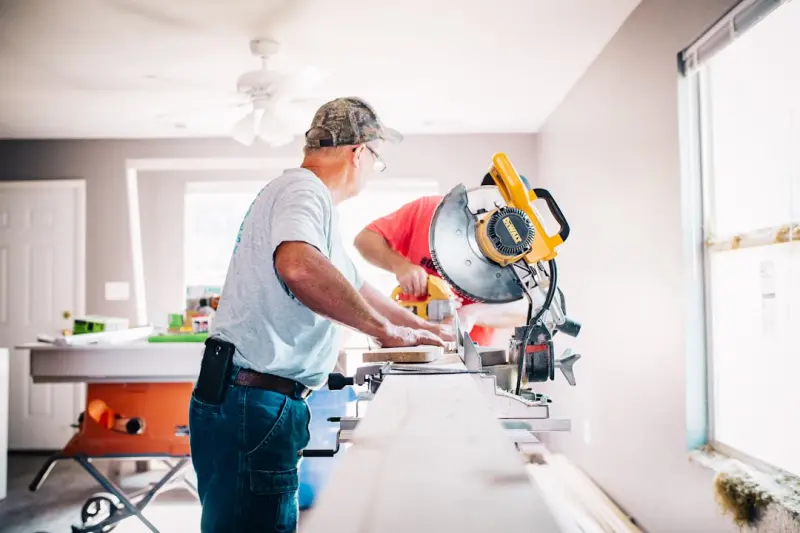
The Ultimate Renovation Checklist for Aging‑In‑Place Homes
Discover a comprehensive, printable checklist that guides homeowners through every stage of an aging... Read More
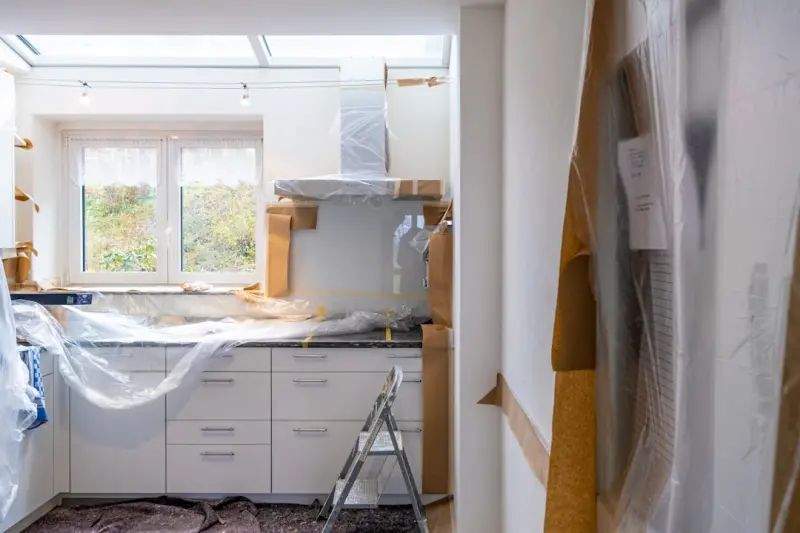
The Ultimate Renovation Checklist for Seamless Project Execution
Discover a detailed renovation checklist that walks you through every phase—from budgeting and per... Read More

The Ultimate Renovation Checklist for a Healthy, Future‑Proof Home
A comprehensive, purpose‑driven renovation checklist that guides homeowners through budgeting, sus... Read More
Top Posts

Turning Your Backyard into a Low‑Maintenance Pollinator Haven
A practical guide to designing a thriving pollinator-friendly garden that looks great year‑round while staying easy on time and resources....Read More
Turning Concrete into Calm: Biophilic Strategies for Commercial Renovations
Explore practical steps to embed biophilic design in commercial renovations, from living walls and daylight harvesting to technology‑driven flexibility, and s...Read More

From Sawdust to Smart Spaces: Reinventing Woodworking with Digital Tools
A deep dive into how digital design, CNC routers, AR visualization, and smart sensors are revolutionizing woodworking, merging traditional craftsmanship with cu...Read More

Crafting a Flexible Woodworking Studio for Small Homes
Discover step‑by‑step guidance on creating a versatile, compact woodworking studio that balances functionality, technology, and sustainability—all without...Read More
0 Comments
Post Comment
You will need to Login or Register to comment on this post!