

Why Proactive Appliance Care Is the Untapped Goldmine Your Business Needs
When I first started pulling out clogged dishwasher filters in my tiny apartment kitchen, I never imagined that the humble appliance repair shop could become a strategic growth engine for a modern service business. Years later, after scaling a regional network of technicians, I’ve learned that the real opportunity lies not in fixing broken units but in anticipating the moment they might fail—and turning that foresight into lasting revenue, stronger brand loyalty, and a greener bottom line.
The Shift From Reactive Fixes to Predictive Care
Most consumers still think of appliance repair as a “call‑a‑tech when it breaks” model. That mindset creates a frantic, high‑cost service environment: technicians rush to a site, replace a part, and hope the next call isn’t a repeat of the same problem. The cost of emergency dispatches, overtime labor, and parts on the spot can quickly erode profit margins.
What if you could flip that script? Imagine a scenario where you schedule a technician’s visit before the dishwasher motor shows any signs of strain, or before a refrigerator’s compressor temperature creeps beyond optimal thresholds. By integrating remote diagnostics, data analytics, and a subscription‑based maintenance plan, you can move from a chaotic, “break‑fix” mentality to a steady, predictable revenue stream.
Three Pillars of a Proactive Appliance Service Model
- Remote Monitoring & IoT Integration – Modern appliances are increasingly “smart.” Sensors can report voltage spikes, temperature anomalies, and vibration patterns directly to a cloud platform. Leveraging this data lets you spot a failing component days—or even weeks—before the user notices a hiccup.
- Subscription‑Based Maintenance Contracts – Offer homeowners and property managers an annual or quarterly plan that includes scheduled health checks, priority dispatch, and discounted parts. Predictable cash flow from subscriptions smooths out the peaks and valleys of emergency call volumes.
- Closed‑Loop Asset Management – Treat each appliance as an asset with a lifecycle. Track installation dates, warranty expirations, and service histories in a unified CRM. When a unit approaches the end of its useful life, you can upsell a replacement or a rental model, turning a potential churn event into an upsell opportunity.
How Data Turns a Broken Appliance Into a Business Insight
Data is the quiet workhorse behind every successful predictive service operation. Let’s break down a typical workflow:
- Signal Capture – An IoT‑enabled washing machine detects a slight increase in motor current draw.
- Edge Processing – The appliance’s onboard processor runs a lightweight algorithm that flags the anomaly as “potential bearing wear.”
- Cloud Relay – The event is transmitted to your service platform, where a machine‑learning model compares it against thousands of historical failure cases.
- Action Trigger – The system automatically generates a service ticket, schedules a technician, and notifies the homeowner with a friendly message: “Your washer is showing early signs of wear. We’ve booked a check‑up for next week.”
By the time the technician arrives, they have the exact part on hand, a clear diagnosis, and a customer who already expects a visit. The result? Faster resolution, higher first‑time‑fix rates, and a delighted customer who feels cared for rather than inconvenienced.
Integrating With Existing Business Intelligence
Proactive appliance care doesn’t have to exist in a silo. Companies that have already embraced data‑driven operations in other domains can extend those frameworks to appliances. For instance, if your organization has implemented predictive maintenance for HVAC systems (Turning HVAC Into a Predictive Profit Engine), the same data pipelines, analytics dashboards, and alerting mechanisms can be repurposed for refrigerators, ovens, and dishwashers. This cross‑functional synergy reduces implementation costs and accelerates ROI.
Revenue Multipliers Beyond the Repair Call
Once you have a reliable data stream and a subscription base, several additional revenue streams open up:
- Parts as a Service – Instead of selling a replacement part outright, lease high‑value components (like a smart compressor) and include them in the maintenance contract.
- Energy Efficiency Audits – Use sensor data to identify appliances that are consuming excess power. Offer a retrofit or upgrade service that not only fixes the problem but also markets the energy‑saving benefit to the homeowner.
- Refurbishment & Resale – Appliances that reach the end of their primary warranty can be repaired, certified, and sold on a secondary market. This creates a circular‑economy loop that appeals to environmentally conscious customers.
Building Trust Through Transparency
Transparency is the secret sauce that converts a one‑off repair into a long‑term relationship. When a customer receives a detailed diagnostic report—complete with sensor readings, predicted failure timelines, and recommended actions—they understand the value you’re delivering. This openness not only justifies the subscription fee but also positions your brand as a trusted advisor rather than a mere fix‑it service.
Consider adding a customer portal where users can view real‑time health scores for each appliance, download maintenance logs, and schedule future appointments. This self‑service layer reduces administrative overhead and empowers the customer, fostering loyalty.
Operational Challenges and How to Overcome Them
Implementing a proactive model is not without hurdles. Below are common pain points and practical solutions:
1. Legacy Appliance Fleet
Many customers still own non‑connected appliances. To bridge the gap, offer a low‑cost retrofit kit—think plug‑in sensor modules that can attach to a washing machine’s motor housing or a refrigerator’s condenser coil. The data collected is less granular but still valuable enough to trigger early‑warning alerts.
2. Data Overload
With thousands of data points streaming in daily, you need a robust analytics platform. Start small: focus on the top‑five failure modes for each appliance type. As you fine‑tune your models, gradually expand the scope.
3. Technician Skill Gap
Proactive care requires technicians to shift from “fix‑it” to “diagnose‑first.” Invest in continuous training that covers sensor interpretation, remote troubleshooting, and soft‑skill communication. Pair junior techs with seasoned mentors during the early rollout phase.
4. Customer Adoption
Some homeowners may be skeptical of subscription models. Offer a free 30‑day trial or a “first‑check‑up” discount to demonstrate the tangible benefits. Highlight case studies where early detection saved users from costly replacements.
Case Study: From Reactive Repairs to a Predictive Service Engine
One mid‑size property management firm partnered with our team to pilot a proactive appliance program across 150 rental units. Here’s what happened over a 12‑month period:
- Reduction in Emergency Calls: 42% drop in same‑day emergency repair requests.
- Increase in Subscription Revenue: Subscription contracts generated $85,000 in recurring revenue, eclipsing the previous year’s ad‑hoc repair income.
- Extended Appliance Lifespan: Average lifespan of refrigerators increased by 1.8 years thanks to timely condenser cleaning and compressor monitoring.
- Higher Tenant Satisfaction: Survey scores rose by 15 points, with tenants citing “proactive maintenance” as a key factor.
This example underscores that the financial upside is only part of the story. The real win is the strategic shift from firefighting to strategic asset stewardship.
Future‑Proofing Your Service Business
As appliances become more intelligent, the line between product and service will continue to blur. Companies that invest early in predictive maintenance, data‑driven insights, and subscription models will capture a larger share of the appliance lifecycle value.
Don’t let your competitors claim the narrative first. Start by mapping out the most common failure points in your current service tickets, pilot a sensor‑based monitoring program on a small segment, and build a subscription offering that aligns with your customers’ pain points. The sooner you move from “reactive repair” to “proactive care,” the faster you’ll see the hidden goldmine of recurring revenue and brand loyalty emerge.
Connecting the Dots Across Your Service Portfolio
If you’ve already embraced data‑centric strategies in other areas—such as the digital twin approach for commercial renovations (Why Digital Twins Are the Secret Weapon in Commercial Renovations)—you’re already halfway to a unified, intelligent service ecosystem. The same principles that let you simulate building performance can be applied to simulate appliance wear patterns, predict failures, and optimize service schedules across your entire portfolio.
In short, proactive appliance care isn’t just a nice‑to‑have add‑on; it’s a strategic imperative that can differentiate your business, boost margins, and champion sustainability—all while delivering a smoother, worry‑free experience for your customers.

William Roy is a freelance writer originally from Montreal who moved to Ottawa with his wife of 50 years to be closer to their grandkids. Alongside his writing, William has a passion for fishing.
Related Posts

The Real Value of Proactive Appliance Repair: Small Fixes, Big Savings
A proactive approach to appliance repair prevents expensive breakdowns, reduces downtime, and suppor... Read More
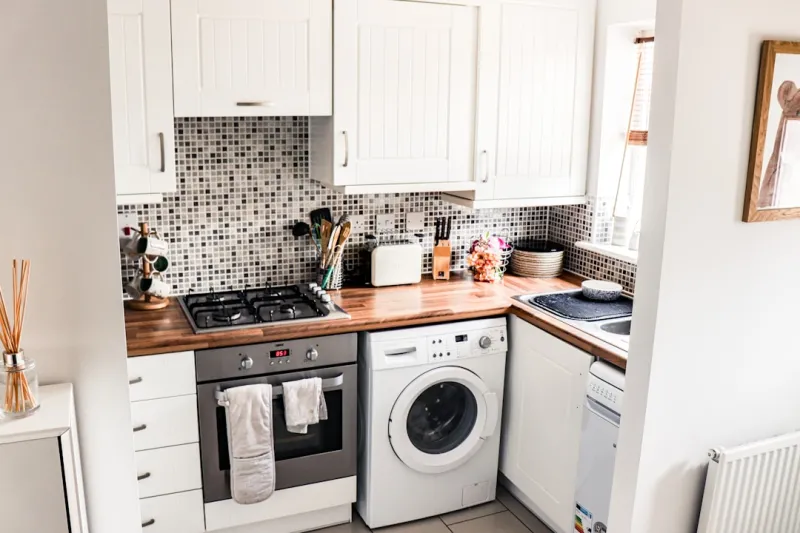
The Rising Trend of Sustainable Appliance Repair
Appliance repair is booming as homeowners seek greener, cost‑effective solutions. Learn the latest... Read More
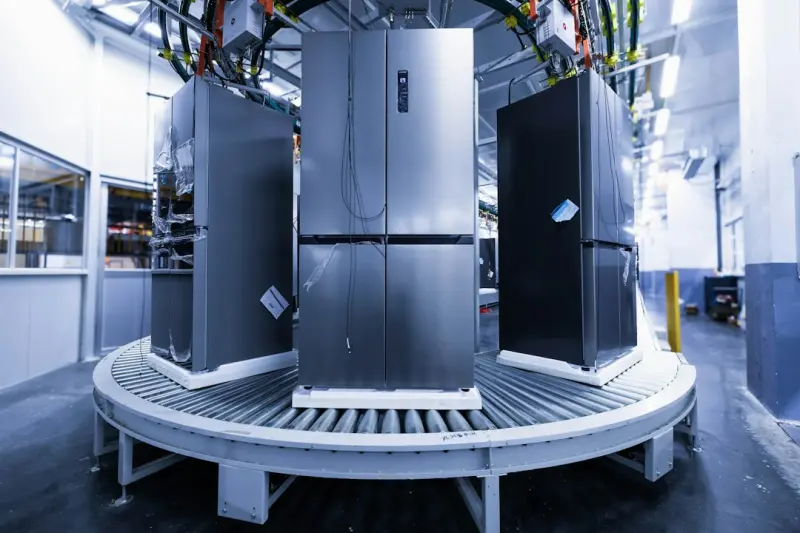
Subscription Appliance Repair: The Business Edge You’ve Been Missing
Subscription‑style appliance repair transforms unpredictable emergency costs into a strategic, dat... Read More
Top Posts

How Windows and Doors Shape Your Home’s Health and Comfort
Explore the hidden ways windows and doors influence indoor air flow, natural light, and health—practical tips you can apply today to turn ordinary openings in...Read More

Building a Future‑Proof Foundation: Science, Materials, and Smart Monitoring
A seasoned contractor shares cutting‑edge strategies—soil testing, green materials, and sensor tech—to build foundations that stand the test of time....Read More

Drone‑Powered Property Maintenance: Seeing What You’ve Been Missing
Drones are redefining property maintenance by delivering fast, safe, and data‑rich inspections that allow managers to spot issues before they become costly re...Read More

Why Intelligent Gutters Are the Unsung Heroes of Building Performance
This post reveals how smart gutter technology transforms ordinary rainwater channels into proactive building assets, delivering cost savings, risk reduction, an...Read More
0 Comments
Post Comment
You will need to Login or Register to comment on this post!