
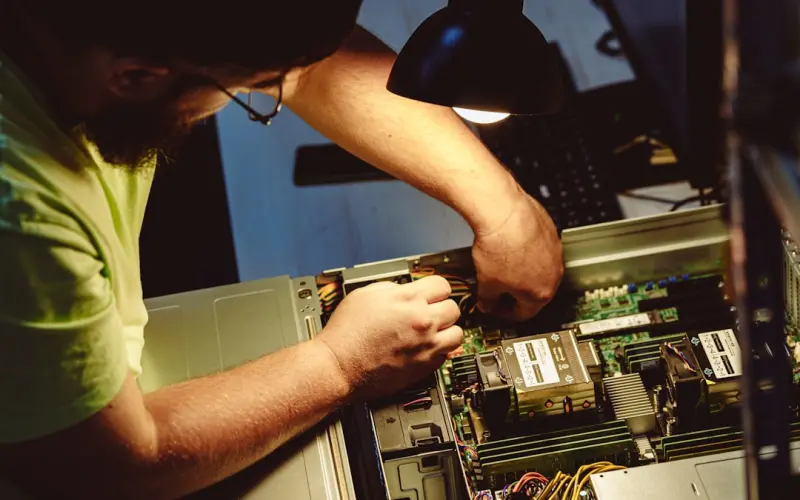
Turning Appliance Repair into a Strategic Advantage
When most property managers and homeowners think about appliance repair, they picture a frantic phone call, a technician in a jumpsuit, and a bill that feels like a surprise attack. I’ve spent the last decade watching the industry evolve from a reactive, “break‑it‑and‑pay‑the‑price” mindset to a proactive, data‑driven discipline. In this post I’ll pull back the curtain on the hidden economics, the sustainability upside, and the emerging tech that lets you treat every fridge, dryer, and commercial dishwasher like a high‑value asset rather than a nuisance.
The Real Cost of Ignoring Small Problems
It’s easy to write off a humming refrigerator or a dishwasher that takes an extra minute to rinse. The immediate expense of a replacement part seems modest, but the ripple effects quickly add up:
- Energy waste: A compressor that’s losing efficiency can consume up to 15 % more electricity. Over a year, that’s a noticeable bump on the utility bill.
- Downtime: In a commercial kitchen, a single faulty oven can halt service, costing labor, lost sales, and disgruntled customers.
- Premature asset retirement: Ignoring early wear accelerates the end‑of‑life clock, forcing a full replacement far sooner than necessary.
The bottom line? A penny saved on a quick fix today prevents a dollar‑plus loss tomorrow.
From Reactive to Predictive: The New Repair Playbook
What if you could spot a failing thermostat before it trips the whole HVAC system? The secret lies in treating appliances like any other piece of machinery: install a lightweight monitoring layer, collect data, and act on patterns.
- Sensor‑Level Insight: Low‑cost vibration, temperature, and current sensors can be clipped onto a washing machine or industrial ice maker. They feed data to a cloud dashboard that flags anomalies.
- Machine‑Learning Baselines: By training an algorithm on months of “healthy” operation, you get a statistical baseline. Deviations beyond a set threshold trigger a maintenance ticket.
- Remote Diagnostics: A technician can now look at live metrics before stepping foot on site, bringing the exact parts needed and reducing visit time by 30‑40 %.
The result is a repair workflow that’s preventive, not just remedial. And it’s not as futuristic as it sounds—many commercial laundries already use this model to keep hundreds of machines humming.
Why the “DIY‑First” Mentality Can Backfire
There’s a cultural undercurrent that says, “If I can’t fix it myself, I’m paying too much.” While DIY can be empowering, appliances are increasingly complex, with sealed electronics and safety certifications. A misguided repair attempt can:
- Void manufacturer warranties, eliminating future coverage.
- Introduce safety hazards, especially with gas‑powered ovens or high‑voltage components.
- Cause secondary damage that multiplies repair costs.
Instead, think of the technician as a specialist who brings diagnostic tools that most homeowners simply don’t have. A well‑trained service partner can pinpoint the exact fault in minutes, whereas a DIY approach often leads to a guessing game and prolonged downtime.
Building a Sustainable Repair Culture
Repair isn’t just a cost‑center; it’s a lever for environmental stewardship. The average refrigerator contains refrigerants with high global warming potential. Extending its life by even a single year can avoid the release of several kilograms of greenhouse gases. Here’s how you can embed sustainability into your repair strategy:
- Establish a “Repair First” policy: Before authorizing a replacement, require a diagnostic report that confirms the issue isn’t a simple component failure.
- Partner with certified refurbishers: Companies that remanufacture parts adhere to strict quality standards, giving you “like‑new” performance with a fraction of the carbon footprint.
- Track and report repair metrics: Quantify avoided waste. A quarterly dashboard that shows total appliances saved, energy reclaimed, and emissions avoided can become a powerful ESG narrative.
Clients increasingly ask for proof that their facilities are low‑impact. A transparent repair log can be the differentiator that wins new contracts.
Leveraging Existing Building Innovations for Appliance Longevity
While we’re on the topic of holistic building performance, it’s worth noting that the same principles driving modular home construction can be applied to appliance installation. Pre‑fabricated service bays, standardized power and water hookups, and easy‑access panels reduce installation errors and make future service visits faster.
Similarly, advances in roof health innovations have introduced thermal imaging that can spot hidden leaks before they corrode appliance wiring. By integrating these building‑wide diagnostics, you turn every appliance repair into part of a larger, intelligent building ecosystem.
Crafting the Ideal Service Contract
Many businesses still rely on ad‑hoc repair requests. A smarter approach is a tiered service contract that aligns cost with risk:
- Basic Maintenance: Quarterly inspections, filter changes, and firmware updates. Ideal for low‑risk environments.
- Predictive Service: Real‑time monitoring, automated ticketing, and priority response. Perfect for high‑value assets.
- Full‑Coverage Assurance: Unlimited repairs, parts, and labor for a flat annual fee. This removes surprise costs and simplifies budgeting.
When you negotiate contracts, ask providers about their data collection methods, response time SLAs, and whether they offer a “green repair” option (i.e., refurbished parts). The right contract turns repair from a random expense into a predictable line item.
Case Study: A Mid‑Size Restaurant Saves 22 % on Energy
Consider a 120‑seat restaurant that was losing money on a leaky commercial freezer. The freezer’s door gasket had degraded, causing a 12 °F temperature rise and a 10 % increase in electricity usage. A reactive repair would have meant calling a technician after the freezer failed—potentially causing food loss.
Instead, the owner had installed a sensor suite that flagged the temperature drift within days. The service provider dispatched a technician who replaced the gasket before any spoilage occurred. The result:
- Energy consumption dropped back to baseline, saving $1,800 annually.
- No food loss, preserving revenue and reputation.
- The freezer’s projected lifespan extended by three years, deferring a $12,000 capital expense.
All of this was captured in the restaurant’s ESG report, helping them attract a sustainability‑focused investor.
Future‑Ready Tools Every Facility Manager Should Know
Here’s a quick cheat sheet of emerging tools that make appliance repair smarter:
- AR‑Guided Service: Technicians wear smart glasses that overlay schematics on the appliance, reducing error rates.
- Digital Twins: A virtual replica of your appliance runs simulations to predict wear points based on usage patterns.
- Voice‑Activated Diagnostics: Simple voice commands can pull up error logs or trigger a self‑test on networked appliances.
- Blockchain Service Records: Immutable logs that prove a device’s repair history, enhancing resale value.
These tools may sound high‑tech, but many are available as subscription services that integrate with existing building management platforms.
Actionable Checklist for the Next 90 Days
Ready to shift from fire‑fighting to strategic repair? Follow this three‑month plan:
- Audit Your Asset Base: List every major appliance, its age, warranty status, and energy rating.
- Install Sensors on High‑Impact Units: Focus on commercial refrigerators, HVAC units, and laundry machines.
- Choose a Predictive Service Partner: Look for providers that offer real‑time monitoring and green‑repair options.
- Standardize Installation Practices: Adopt modular service bays to simplify future access.
- Roll Out a Repair‑First Policy: Require diagnostic reports before any replacement decision.
- Track KPIs: Measure energy savings, downtime hours, and avoided waste monthly.
- Report Results: Publish a short sustainability brief for stakeholders every quarter.
Stick to this roadmap, and you’ll see tangible savings, reduced environmental impact, and a reputation for operational excellence.
Conclusion: Repair as a Competitive Edge
Appliance repair is no longer a background function—it’s a front‑line driver of cost control, sustainability, and tenant satisfaction. By embracing data, choosing the right service contracts, and aligning repair practices with broader building innovations, you transform a traditionally reactive chore into a strategic advantage. The next time a dishwasher sputters, consider it an opportunity to gather data, prevent larger failures, and showcase your commitment to responsible stewardship.

David MacKinnon is a dynamic freelance writer known for his captivating storytelling and keen insights into the world of technology. With a passion for exploring the intersection of innovation and everyday life, he crafts engaging narratives that not only inform but also inspire his readers.
Related Posts

Smart Appliance Repair: From Proactive Maintenance to AI‑Driven Service
Learn how to shift from emergency fixes to predictive maintenance, choose the right tech‑savvy rep... Read More

The Benefits of Sustainable Appliance Repair
Sustainable appliance repair can save you money and contribute to a more environmentally friendly ho... Read More

When Your Fridge Starts Whispering: Decoding Early Appliance Fatigue
A quiet hum from a refrigerator isn’t just noise—it’s an early warning. This guide shows prope... Read More
Top Posts

How Windows and Doors Shape Your Home’s Health and Comfort
Explore the hidden ways windows and doors influence indoor air flow, natural light, and health—practical tips you can apply today to turn ordinary openings in...Read More
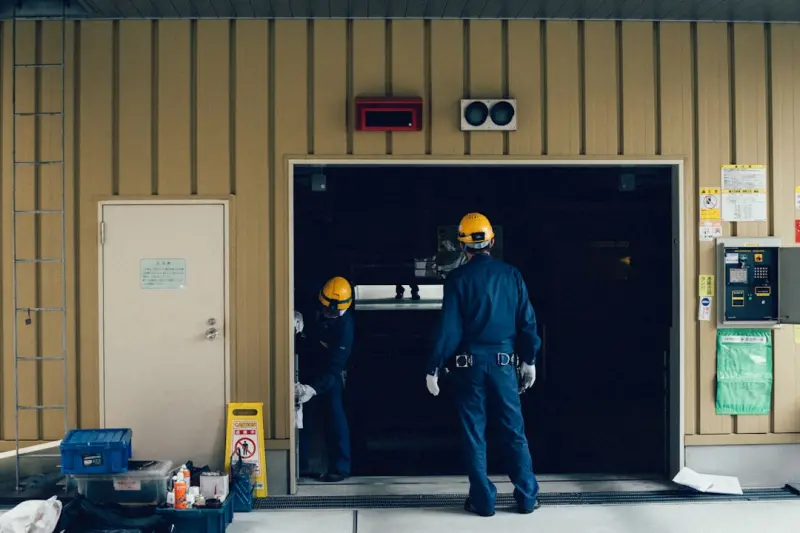
Garage Door Maintenance-as-a-Service: Turning Routine Upkeep into Strategic Value
A subscription model for garage door care shifts expenses from unpredictable repairs to predictable fees, adds predictive analytics, and turns doors into strate...Read More
Building with Integrity: How Traceable Materials are Shaping the Future of Home Construction
A deep dive into material traceability shows why knowing the origin, carbon impact, and end‑of‑life path of every building component is now essential for bu...Read More

The Water-Saving Revolution: Sustainable Plumbing Solutions for a Greener Future
Learn about the latest sustainable plumbing solutions to conserve water and promote a greener future, from eco-friendly fixtures to greywater systems and rainwa...Read More
0 Comments
Post Comment
You will need to Login or Register to comment on this post!