
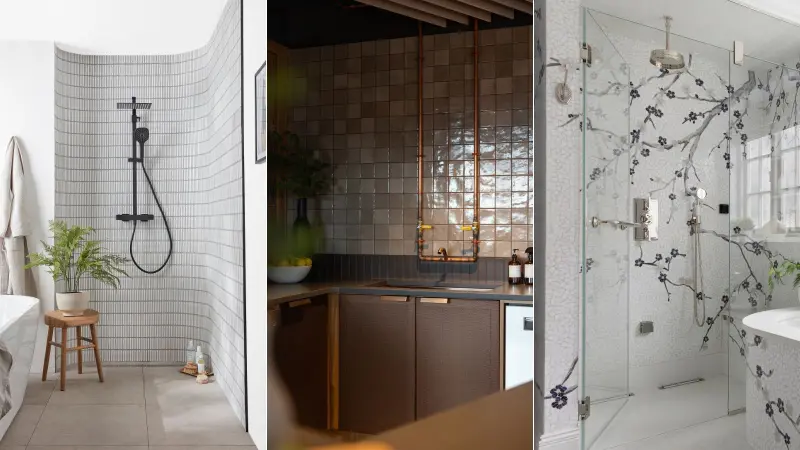
Why Tile Choices Matter More Than You Think
When you walk into a room, the floor is the first thing your eyes register, and the tiles beneath your feet silently dictate the space’s mood, durability, and even acoustics. Choosing the right tile is not just a design decision but a long‑term investment that affects maintenance costs, resale value, and how the room ages under daily wear; a misstep can lead to cracked edges, stubborn stains, or a visual clash that feels dated within months. By treating tile selection as a strategic foundation rather than a decorative afterthought, you empower yourself to create environments that feel cohesive, resilient, and uniquely yours.
Choosing the Right Material for High‑Traffic Areas
High‑traffic zones such as kitchens, hallways, and entryways demand materials that can withstand relentless footfall without losing their luster, and porcelain or natural stone often rise to the occasion due to their density and low porosity. Porcelain tiles, engineered from refined clay, resist scratches and moisture, making them ideal for homes with pets or kids, while slate and travertine offer a rugged charm that ages gracefully, developing a patina that tells a story of lived‑in comfort. Selecting the appropriate material upfront eliminates the need for premature replacement, saving both time and money while preserving the aesthetic integrity of your home.
Playing with Patterns: From Classic to Avant‑Garde
Tile patterns have evolved from simple grid layouts to daring geometric mosaics, allowing homeowners to make bold statements without overwhelming a space. Classic herringbone or chevron arrangements add subtle movement and can elongate narrow rooms, whereas oversized hexagons or irregular marble mosaics create a contemporary focal point that draws the eye and invites conversation. By mixing scale, orientation, and texture, you can achieve a layered look that feels curated rather than chaotic, turning a plain floor into a work of art.
Color Psychology in Grout and Tile
The hues you select for both tile and grout act as silent communicators, influencing how occupants feel and behave within a room; cool blues and greens can promote calm, while warm reds and oranges stimulate energy and conversation. Opting for a contrasting grout can accentuate pattern precision and make intricate designs pop, whereas a matching grout blends pieces for a seamless, monolithic appearance that expands the perceived space. Understanding these psychological cues lets you tailor environments that support the activities they host, whether it’s a tranquil bathroom retreat or a lively kitchen gathering spot.
Integrating Technology: Sensor‑Embedded Tiles
Modern tile flooring is no longer passive; sensor‑embedded tiles now offer lighting control, temperature regulation, and even health monitoring by detecting foot traffic patterns. Imagine a kitchen floor that brightens as you approach the stove or a bathroom tile that alerts you to excess moisture, helping prevent mold before it starts. By marrying traditional craftsmanship with smart technology, you create spaces that respond intuitively to your daily routines, enhancing convenience without compromising style.
Sustainable Tile Options You Haven’t Considered
Eco‑conscious homeowners can look beyond recycled ceramic and discover reclaimed wood‑look tiles made from post‑consumer glass, which divert waste from landfills while offering a unique, speckled aesthetic. Another innovative choice is eco‑smart refinishing methods that apply low‑impact coatings to existing tiles, extending their lifespan and reducing the need for new production. These greener alternatives not only lower your carbon footprint but also add a story‑rich texture that resonates with the growing demand for responsible design.
Installation Tips for a Seamless Look
Achieving a flawless tile installation starts with meticulous surface preparation: ensure the substrate is level, clean, and free of moisture to prevent future lippage or grout cracking. Use a high‑quality thin‑set mortar and embed a polymer‑enhanced adhesive for added flexibility, especially on heated floors where expansion and contraction are inevitable. Finally, employ a laser‑guided leveling system to keep tiles uniformly spaced, and consider concrete tile inspirations for a bold, industrial finish that melds effortlessly with modern interiors.
Maintenance Hacks That Save Time and Money
Regular maintenance is the secret to preserving tile brilliance; a simple weekly sweep followed by a pH‑balanced mop prevents grit from scratching surfaces and keeps grout from staining. For stubborn grime, create a DIY cleaning solution with diluted vinegar and water, but avoid acidic cleaners on natural stone to prevent etching; instead, use a stone‑specific poultice for deep stains. Additionally, resealing grout every 12‑18 months creates a protective barrier against moisture and mold, extending the life of both tile and grout while maintaining that freshly‑installed sparkle.

Kelly Reynolds is a dynamic freelance writer hailing from the picturesque landscapes of Alberta. A master of the written word, she juggles her passion for storytelling with the exhilarating chaos of being a mother to five spirited children. With an impressive portfolio that spans various genres, Kelly captivates readers through her engaging blog posts and thought-provoking articles.
Related Posts

The Green Revolution in Tiling: Sustainable Solutions for a Modern Home
The demand for sustainable tiling solutions is on the rise. Learn about the latest eco-friendly mate... Read More

Turning Floor Tiles into Data‑Driven Assets for Smarter Facilities
Smart tiling turns floors into data hubs, offering predictive maintenance, space utilization analyti... Read More

Tile Trends: Sustainable, Smart, and Stylish Solutions for Modern Homes
Discover how sustainable materials, smart technology, and clever patterns make tile the ultimate des... Read More
Top Posts

Beyond the View: Turning Sunrooms into High‑Performance Remote‑Work Studios
Turn your sunroom into a high‑performance remote‑work studio. Learn design strategies, smart tech integration, acoustic solutions, and maintenance tips to b...Read More

Building a Mobile Modular Workshop: Scaling Your Handyman Business on the Go
A handyman shares a step‑by‑step guide to building a mobile modular workshop that maximizes tool organization, expands market reach, and boosts per‑job re...Read More

The Importance of Professional Carpet Cleaning for a Healthier Home
Dirty carpets can harbor allergens, dust mites, and bacteria that can exacerbate respiratory issues. Learn why professional carpet cleaning is crucial for a hea...Read More

The Importance of Sustainable Gutter Systems
Sustainable gutter systems are crucial for maintaining your home's integrity and sustainability. Learn about eco-friendly gutter materials, benefits, and instal...Read More
0 Comments
Post Comment
You will need to Login or Register to comment on this post!