
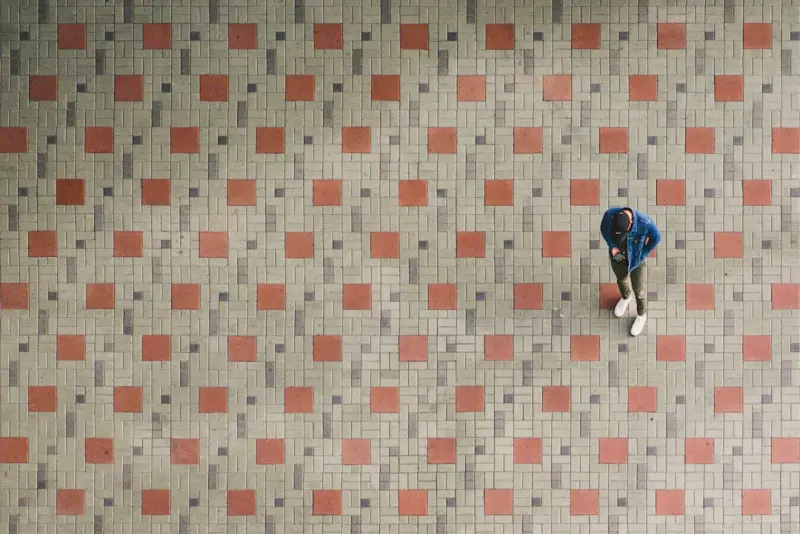
Why Your Floor Tiles Are the Next Big Business Asset
When most people think about “tiling,” the image that pops up is a glossy kitchen backsplash or a pristine bathroom floor. As someone who has spent the last decade juggling facility budgets, sustainability goals, and the ever‑present demand for smarter workspaces, I’ve learned to look beyond the surface—literally. The humble tile, once relegated to a purely aesthetic role, is now a silent workhorse that can track, sense, and even generate data that drives operational excellence.
From Static Surface to Dynamic Platform
Traditional tiling solutions were chosen for durability, slip resistance, and visual appeal. Today, manufacturers are embedding IoT sensors, energy‑harvesting materials, and modular mounting systems directly into the tiles themselves. This evolution transforms a static surface into a dynamic platform that can:
- Monitor foot traffic patterns in real time.
- Detect moisture leaks before they become costly floods.
- Harvest kinetic energy from footfalls to power low‑energy devices.
- Communicate with building management systems (BMS) for adaptive climate control.
Think of it as the floor version of Data‑Driven Wallpaper. Just as walls can become insight engines, so can the ground beneath our shoes.
Strategic Benefits for Facility Leaders
Facility managers are constantly looking for ways to turn everyday assets into strategic differentiators. Here’s how smart tiling delivers:
1. Predictive Maintenance
Embedded moisture sensors alert you the moment a pipe begins to leak, giving you a window to intervene before water seeps into the subfloor. This not only protects the building’s structural integrity but also prevents downtime for the teams that rely on those spaces.
2. Space Utilization Intelligence
By counting footfalls and mapping movement heatmaps, you can see which zones are under‑utilized and which are congested. That data feeds directly into space planning decisions—whether you need to reallocate workstations, adjust cleaning schedules, or reconfigure meeting rooms.
3. Energy Savings
Kinetic tiles harvest energy from each step, feeding low‑voltage power back into the building’s energy loop. While the output per tile is modest, the cumulative effect across a large office floor can offset a notable portion of sensor and lighting power draws.
4. Enhanced Safety & Compliance
Temperature‑sensing tiles can detect hot spots that might indicate an electrical fault, while pressure‑sensing layers can identify when a heavy object is placed on a floor that isn’t rated for it, preventing accidental damage.
Choosing the Right Tile for Your Business Goals
Not all tiles are created equal. Here’s a quick decision matrix to help you align tile technology with your organization’s priorities:
| Goal | Tile Feature | Typical ROI Timeline |
|---|---|---|
| Leak Prevention | Integrated moisture & humidity sensors | 6‑12 months |
| Footfall Analytics | Pressure‑sensitive piezoelectric layers | 3‑9 months |
| Energy Harvesting | Piezoelectric or triboelectric generators | 12‑24 months |
| Adaptive Climate Control | Temperature & occupancy sensors | 9‑15 months |
When evaluating vendors, ask for:
- Open APIs that integrate with your existing BMS or asset management platform.
- Clear data security certifications—sensor data can be as sensitive as badge swipe logs.
- Modular installation options that allow you to retrofit sections without a full floor demolition.
Implementation: A Step‑by‑Step Playbook
Rolling out a smart tiling project may feel like stepping into uncharted territory, but breaking it down into bite‑sized phases makes it manageable.
Phase 1: Pilot & Validate
Select a high‑traffic area—perhaps the lobby or main corridor—to install a small batch of sensor‑enabled tiles. Use this pilot to validate data accuracy, integration points, and the user experience for maintenance staff.
Phase 2: Integrate & Automate
Once the pilot proves successful, connect the tile data streams to your BMS. Set up automated alerts for moisture spikes, temperature anomalies, or occupancy thresholds that trigger HVAC adjustments.
Phase 3: Scale Across the Facility
With the integration blueprint in hand, roll out the tiles floor‑by‑floor, prioritizing zones where the ROI is most immediate—areas with high water‑risk (kitchens, labs) or heavy footfall (cafés, entryways).
Phase 4: Continuous Optimization
Use the data you collect to refine cleaning schedules, space allocation, and even employee wellness programs. For example, heatmaps can reveal “quiet zones” where employees naturally congregate, informing future acoustic or lighting upgrades.
Case Study: A Mid‑Size Tech Campus Turns Tiles Into a Competitive Edge
One of our clients—a 250‑person tech firm—was wrestling with rising facility costs and a need for better space utilization metrics. They opted for a phased rollout of pressure‑sensing tiles in their main atrium and two conference wings.
- Leak Prevention: The tiles flagged a slow drip in a ceiling pipe that traditional inspections missed, saving an estimated $45,000 in water damage remediation.
- Footfall Insights: Heatmap data revealed that the east wing conference rooms were underused, prompting a redesign that added collaborative pods. Utilization rose by 27% within three months.
- Energy Harvest: The kinetic tiles generated enough power to run the atrium’s ambient lighting for a full day, cutting electricity costs by 2.3%.
This real‑world example underscores how Smart Fencing principles—turning boundaries into data‑rich assets—can be applied beneath your feet.
Design Meets Data: Maintaining Aesthetic Appeal
One lingering concern among design‑savvy executives is that sensor‑laden tiles will look “industrial.” The good news is that manufacturers now offer a wide palette of finishes—from matte stone to high‑gloss porcelain—without compromising sensor performance. Some even incorporate LED backlighting that can change color based on occupancy or alert levels, turning safety warnings into visual art.
In practice, you can blend traditional decorative tiles with smart tiles, creating zones where the visual language tells a story while the hidden layer collects data. For example, a hospitality venue might use a patterned mosaic for guest areas and discreet sensor tiles in staff corridors, preserving ambiance while gaining operational insight.
Future‑Proofing: The Road Ahead for Smart Flooring
The next wave of tiling technology will likely converge with three emerging trends:
- Edge Computing: On‑tile microprocessors will preprocess data, reducing latency and bandwidth demands.
- Digital Twins: Real‑time tile data will feed into virtual models of your facility, enabling simulations for emergency response or space planning.
- Materials Innovation: Graphene‑infused ceramics could boost both durability and energy‑harvesting efficiency.
By adopting smart tiling now, you position your organization to plug into these advances seamlessly, turning the floor into a living, learning substrate that grows with your business.
Bottom Line: Tiles Are No Longer Just Tiles
In an era where every square foot of real estate is scrutinized for performance, ignoring the untapped potential of your floor is a missed opportunity. Smart tiling delivers actionable insights, reduces risk, and even contributes to sustainability targets—all while maintaining the visual elegance that your brand expects.
As facility leaders, we’re tasked with turning ordinary assets into strategic differentiators. If walls can become insight engines and fences can become high‑value assets, why should our floors be left behind? The next time you walk across a room, consider the silent conversation happening beneath your steps. It’s time to let those tiles talk—and listen.

When it comes to the world of blogging and writing, Rose DesRochers is a name that stands out. Her passion for creating quality content and connecting with her audience has made her a trusted voice in the industry. Aside from her skills as a writer and blogger, Rose is also known for her compassionate nature.
Related Posts

Adaptive Tile Systems: Merging Aesthetics, Data, and Durability
Tiles are evolving from static décor to intelligent platforms. This post reveals how modular instal... Read More

Tiles as Storytellers: Turning Floors and Walls into Narrative Canvases
Explore the art of tiling beyond function—learn to choose materials, master layouts, integrate tec... Read More
Tile Trends That Blend Style, Sustainability, and Smart Savings
Explore cutting‑edge tile materials, sustainable installation methods, and maintenance hacks that ... Read More
Top Posts
The Rise of Smart, Sustainable Window Treatments
Discover how smart fabrics, automation, and sustainable materials are transforming window treatments into essential tools for comfort, style, and energy efficie...Read More

Embracing Sustainable Home Improvements: A Handyman's Perspective
Learn how to make your home improvements more sustainable with expert tips from a seasoned handyman. From eco-friendly materials to DIY approaches, discover the...Read More
Building a Climate‑Smart Foundation: Resilience, Sustainability, and Future‑Proof Design
Learn why a climate‑first foundation strategy, smart sensors, and regenerative landscaping are essential for resilient, sustainable homes that adapt to changi...Read More

Intelligent Paving: Turning Streets into Data‑Driven, Sustainable Platforms
This article dives into the emerging world of intelligent paving, showing how embedded sensors, permeable surfaces, and energy‑harvesting technologies turn or...Read More
0 Comments
Post Comment
You will need to Login or Register to comment on this post!