
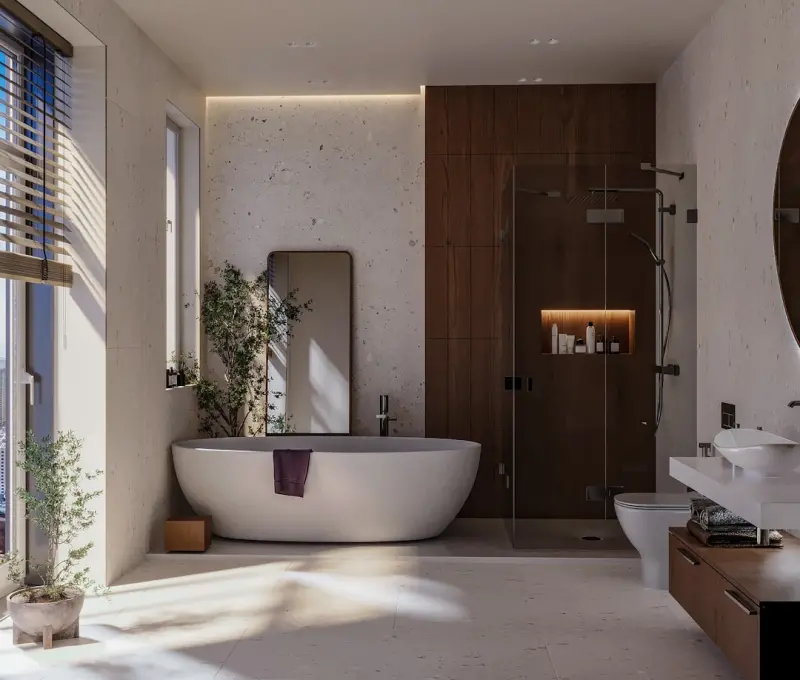
Why Bathrooms Are the New Home Wellness Frontier
When the pandemic forced us to spend more time at home, the bathroom quickly graduated from a functional pit stop to a sanctuary for self‑care. It’s no longer enough to have a clean tile floor and a working faucet; homeowners now crave a space that feels like a mini‑spa, a place that supports physical health, mental calm, and even environmental stewardship. This shift is reshaping renovation priorities, turning the bathroom into the most valuable room for ROI and personal well‑being.
The Core Pillars of a Modern Bathroom Renovation
To design a bathroom that truly serves the whole person, I focus on four interconnected pillars:
- Wellness‑Driven Layout: Thoughtful zoning separates the wet (shower, tub) from the dry (vanity, seating) areas, reducing clutter and encouraging a flow that mirrors a spa routine.
- Sustainable Materials: Low‑VOC paints, reclaimed wood, and water‑wise fixtures lower the ecological footprint while delivering premium aesthetics.
- Inclusive, Aging‑in‑Place Features: Slip‑resistant flooring, lever‑style faucets, and adjustable-height fixtures make the space future‑proof for all ages.
- Smart Budgeting & Execution: Strategic planning, phased implementation, and leveraging quick wins keep costs manageable and momentum high.
Wellness‑Driven Layout: From Spa Blueprint to Daily Reality
Start with the user journey. Imagine entering the bathroom after a long day. The first thing you notice should be a sense of calm. Achieve this by:
- Creating a “wet zone” sanctuary: Install a walk‑in rain shower with a glass enclosure that maximizes natural light. Pair it with a freestanding soaking tub positioned under a skylight or a large, frosted window for daylight without compromising privacy.
- Adding a “dry zone” lounge: A low‑profile, water‑resistant bench or a built‑in seat near the vanity invites moments of quiet reflection while you brush your teeth or apply skincare.
- Integrating scent and sound: Aromatherapy diffusers and waterproof Bluetooth speakers can be discreetly tucked into the ceiling or wall niches, turning routine routines into therapeutic rituals.
These design moves are simple, but they change the bathroom’s narrative from a purely utilitarian room to a wellness retreat.
Sustainable Materials: Beauty That Doesn’t Cost the Planet
Today’s homeowners demand eco‑friendly choices that don’t sacrifice style. Here’s how to source and specify materials that meet both criteria:
- Reclaimed Wood Vanities: Salvaged timber adds warmth and a story. Look for certifications that verify the wood’s origin and treatment.
- Porcelain Tiles with High Recycled Content: Modern porcelain can contain up to 30% post‑consumer glass, offering durability, low porosity, and a sleek finish.
- Low‑VOC Paints & Sealants: Volatile organic compounds contribute to indoor air pollution. Selecting paints with Zero VOC labels protects occupants’ respiratory health.
- Water‑Saving Fixtures: Dual‑flush toilets, sensor‑activated faucets, and showerheads with a 2.0 gpm flow rate reduce water usage by up to 30% without compromising performance.
When you combine these elements, you not only lower the environmental impact but also boost the home’s market appeal – a selling point that resonates with today’s eco‑conscious buyers.
Inclusive, Aging‑in‑Place Features: Designing for Tomorrow
While the bathroom can be a personal oasis, it must also be adaptable for the entire household lifecycle. Incorporate these features early to avoid costly retrofits later:
- Slip‑Resistant Flooring: Choose textured ceramic or non‑slip vinyl that feels safe when wet but remains comfortable underfoot.
- Lever‑Style Faucets: Easier to operate for users with limited grip strength compared to traditional knobs.
- Adjustable‑Height Vanity: Install a vanity with a countertop that can be raised or lowered via a simple mechanical lift, catering to both standing adults and seated users.
- Grab Bars with Minimal Visual Impact: Modern stainless‑steel grab bars can be concealed within the tile layout, preserving aesthetics while providing security.
These touches create a bathroom that ages gracefully with its occupants, eliminating the need for a full remodel when accessibility needs evolve.
Smart Budgeting & Execution: Turning Vision Into Reality Without Breaking the Bank
Renovations often spiral out of control when you lack a clear roadmap. I recommend a three‑phase approach:
- Discovery & Prioritization: Conduct a thorough audit of existing conditions. Identify “quick wins” – low‑cost upgrades that deliver high impact, such as swapping out old showerheads for water‑saving models. For inspiration on efficient micro‑updates, check out quick micro-fixes that can shave weeks off your timeline.
- Design Development: Draft layout plans, select materials, and obtain cost estimates. This stage is where you align aesthetics with sustainability goals and future‑proofing needs.
- Phased Construction: Break the job into logical phases (e.g., demolition, plumbing, finish work) to keep the space partially usable and to spread cash flow. If you’re managing multiple home projects, consider the broader strategic lens offered by the holistic renovation strategy used in larger commercial contexts – it can inform sequencing, risk mitigation, and stakeholder communication.
By treating the bathroom remodel as a series of manageable milestones, you preserve momentum, avoid surprise expenses, and maintain a clear line of sight on ROI.
Lighting: The Unsung Hero of Bathroom Luxury
Lighting shapes perception more than any other element. Layered illumination provides both function and ambiance:
- Task Lighting: LED strips under the vanity mirror eliminate shadows for grooming.
- Ambient Lighting: Recessed ceiling LEDs with dimming capability set a relaxing tone for evening baths.
- Accent Lighting: Niche lighting that highlights a freestanding tub or a piece of art adds visual depth.
Opt for fixtures with a CRI (Color Rendering Index) of 90+ to ensure colors appear true – crucial for makeup application and overall visual comfort.
Ventilation: Quiet, Efficient, and Health‑Focused
Modern bathrooms generate a lot of moisture. Proper ventilation prevents mold, protects finishes, and maintains indoor air quality. Choose a heat‑recovery ventilator (HRV) that extracts humidity while recirculating fresh air. Pair it with a quiet exhaust fan rated at 1 CFM per square foot for optimal performance without intrusive noise.
Technology Integration Without Overkill
While the bathroom isn’t the best place for a full smart‑home hub, selective technology can enhance convenience:
- Thermostatic Shower Controls: Set and retain precise temperature, reducing the risk of scalding.
- Touch‑less Faucets: Lower bacterial spread and water waste.
- Bluetooth‑Enabled Mirrors: Offer built‑in lighting, anti‑fog technology, and optional display of weather or calendar updates.
These upgrades deliver tangible benefits without turning the space into a gadget‑laden labyrinth.
Color & Texture: Crafting Mood Through Palettes
Soft, muted hues such as sage green, warm greige, or oceanic blues evoke calm. Pair them with natural textures – think river‑rock pebble tiles in the shower or a matte stone countertop – to create tactile richness. When used strategically, texture can guide the eye and soften hard surfaces, making the room feel more inviting.
Case Study: A Turnkey Bathroom Retreat
One of my recent clients, a young couple working from home, wanted a bathroom that would double as a relaxation zone after long virtual meetings. The brief: a modest budget, a desire for sustainability, and a need for future‑proofing as they plan to start a family.
Our solution:
- Retained the existing plumbing core to minimize invasive work.
- Installed a reclaimed‑wood floating vanity with a quartz countertop made from recycled glass.
- Added a walk‑in rain shower with a low‑flow, 2.0 gpm fixture and a frameless glass enclosure to keep the visual flow open.
- Implemented a skylight with a motorized shade for natural light and privacy.
- Integrated a sensor‑activated faucet and a dual‑flush toilet, cutting water consumption by roughly 25%.
- Selected slip‑resistant, large‑format porcelain tiles in a light stone finish for both the floor and shower walls.
- Added a built‑in bench with a hidden storage niche for towels and spa products.
Result: The couple reported a 40% increase in perceived home value, a measurable reduction in water bills, and an enhanced sense of daily wellbeing. The renovation was completed in eight weeks, thanks to the phased approach and the strategic use of quick wins—an excellent illustration of how thoughtful planning can deliver a luxurious outcome on a realistic budget.
Maintenance Made Simple: Protecting Your Investment
After the excitement of a remodel, ongoing care ensures the bathroom stays pristine:
- Seal Grout Annually: Use a penetrating sealer to prevent staining and mold.
- Clean Fixtures with Non‑Abrasive Cleaners: Preserve finish and maintain flow rates.
- Inspect Caulking: Replace any cracked or missing caulk within six months of installation to avoid water infiltration.
- Schedule Professional Checks: A yearly inspection of the HRV and water‑saving fixtures can catch inefficiencies early.
These habits, paired with the durable choices made during the remodel, keep the bathroom looking fresh for years.
Future Trends: What’s Next for Bathroom Renovations?
Even as we speak, innovators are pushing the envelope:
- Biophilic Elements: Live plant walls designed for low‑light humidity‑tolerant species.
- Zero‑Waste Renovation Kits: Prefabricated modular components that generate minimal waste and simplify installation.
- Adaptive Water‑Recirculation Systems: Technologies that treat and reuse shower water for toilet flushing.
While these concepts are still emerging, they hint at a future where bathrooms become self‑sustaining ecosystems rather than isolated utility rooms.
Takeaway Checklist
Before you dive into your bathroom project, run through this concise checklist:
- Define your wellness goals – spa‑like, functional, or a hybrid?
- Set a realistic budget and identify quick‑win upgrades.
- Choose sustainable, low‑VOC, and recycled‑content materials.
- Plan for aging‑in‑place features from day one.
- Map out phased construction to keep disruption low.
- Select lighting, ventilation, and technology that enhance comfort without overcomplicating the space.
- Develop a maintenance plan to protect your investment.
By following this roadmap, you’ll transform an ordinary bathroom into a personal sanctuary that adds value, supports health, and respects the planet.

Tom Ferguson is a Canadian freelance writer with a passion for storytelling, current events, and thoughtful commentary. Drawing on years of writing experience, he shares engaging insights on a wide range of topics, bringing a uniquely Canadian perspective to his work.
Related Posts
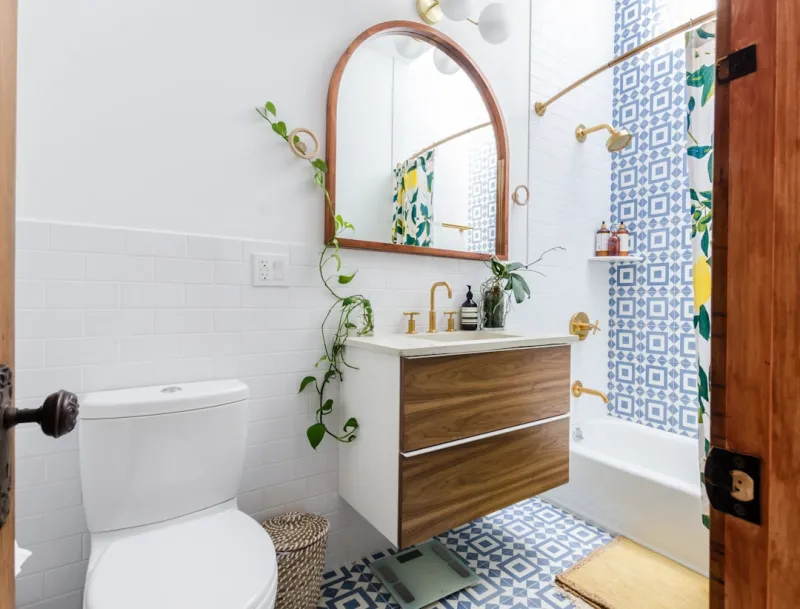
Sustainable Bathroom Renovations: A Guide to Eco-Friendly Upgrades
Learn how to create a sustainable bathroom renovation that's both eco-friendly and functional. Disco... Read More
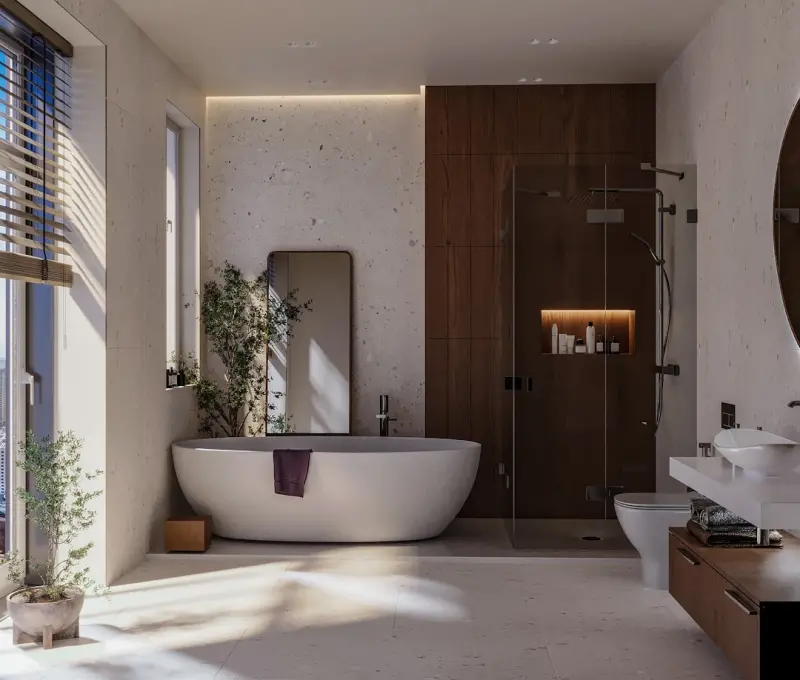
Reimagining the Bathroom: Sustainable, Smart, and Inclusive Design
Discover how to create a bathroom that balances sustainability, intelligent technology, and inclusiv... Read More
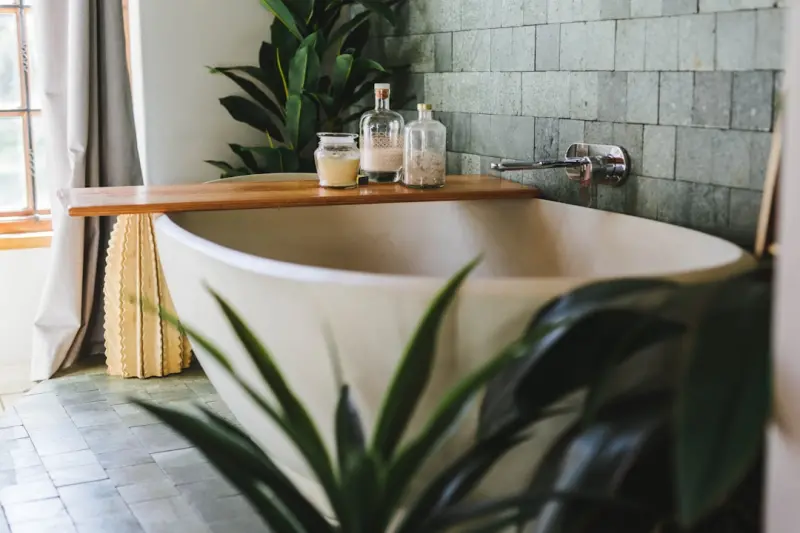
Designing an Aging‑In‑Place Bathroom That Grows With You
Discover practical, budget‑friendly strategies for designing an aging‑in‑place bathroom that b... Read More
Top Posts
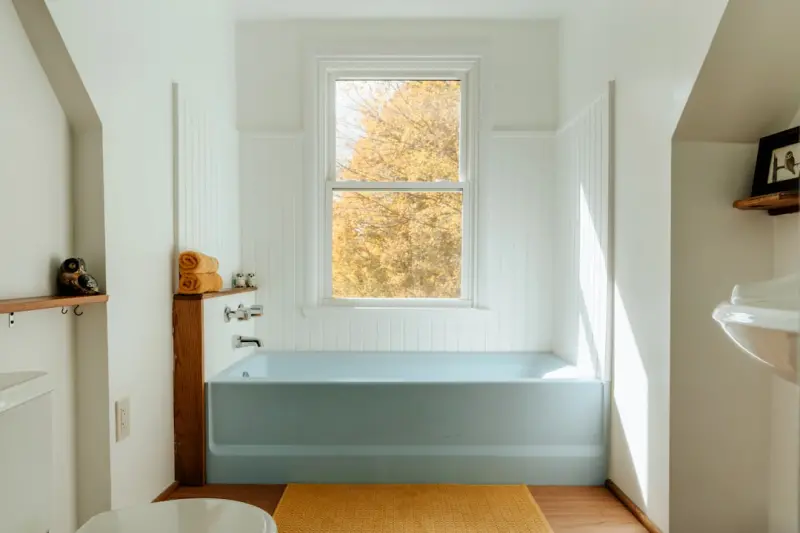
The Quiet Revolution: How Bathtub Refinishing Elevates Design, Health, and Value
Bathtub refinishing is more than a quick cosmetic fix; it’s a strategic upgrade that enhances aesthetics, improves health, integrates smart tech, and offers a...Read More

Drone‑Enabled Home Inspections: The Future is Now
A deep dive into how drones, AI, and thermal imaging are reshaping home inspections, offering faster, safer, and more data‑driven assessments that benefit bot...Read More

The Hidden Playbook for Long‑Term Mold Prevention
A step‑by‑step guide reveals how moisture control, ventilation, smart material choices, and ongoing monitoring combine to stop mold before it spreads....Read More
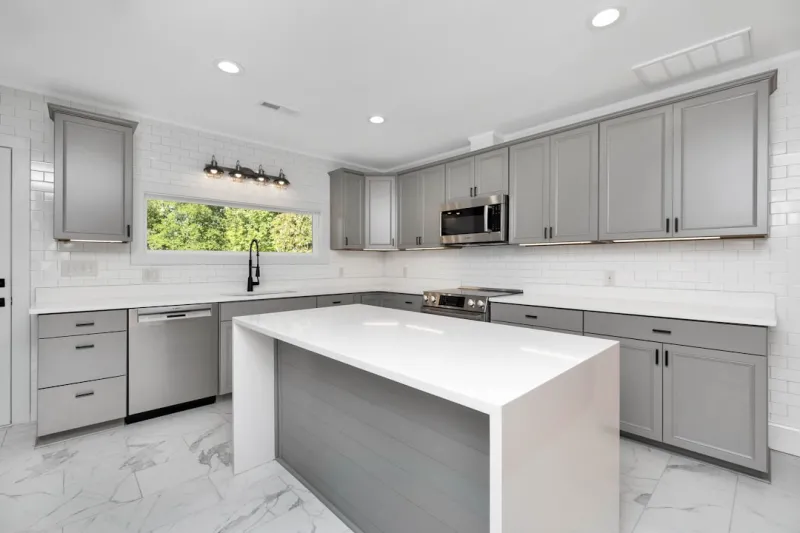
The Sustainable Revolution in Countertop Design: A Comprehensive Guide
Explore the intersection of sustainability and countertop design, highlighting eco-friendly materials, benefits, challenges, and opportunities in this rapidly e...Read More
0 Comments
Post Comment
You will need to Login or Register to comment on this post!