

Why Awnings Deserve a Seat at the Sustainability Table
When I first walked onto a construction site fresh out of college, the conversation centered on insulation R‑values, glazing performance, and HVAC efficiency. The awning—those humble fabric or metal canopies you see over storefronts and patios—was never part of the equation. Fast forward a decade, and I’m still hearing the same story from facility teams, architects, and developers: “We’ve nailed the walls and the roof, now we just need to think about shade.” That’s where the disconnect lies. Shade isn’t a decorative afterthought; it’s a high‑impact, low‑cost lever that can reshape a building’s energy profile, occupant wellbeing, and even its brand narrative.
From Passive Cover to Active Asset
Traditional awnings were static, manually deployed, and treated as a seasonal accessory. The next evolution is intelligent awnings—motorized, sensor‑driven, and fully integrated with a building’s energy management system. Think of them as the dynamic skin of a structure, reacting in real time to solar intensity, wind load, and occupancy patterns. When the sun peaks at noon, the awning extends to block direct glare, reducing cooling load by up to 15 %. As the afternoon cools, it retracts, allowing passive solar gain to warm the interior—essentially turning a simple shade device into a passive heating element.
Data‑Driven Decision Making: The Role of Sensors
Embedding light, temperature, and wind sensors into the awning’s control hub creates a feedback loop that feeds the building automation system (BAS). The BAS can then orchestrate a suite of actions: dimming interior lights, adjusting HVAC set points, and even triggering shading on adjacent glass façades. This synergy mirrors the principles outlined in Edge AI: Redefining Residential HVAC Comfort, where localized intelligence reduces reliance on central processing and slashes response latency.
Quantifying the ROI: Energy Savings, Maintenance, and Tenant Satisfaction
Energy models that ignore shading devices typically overestimate cooling demand by 5‑10 %. By inserting a calibrated awning schedule, owners can shave off a meaningful portion of their utility bill. A 10‑year payback is not unusual when you factor in:
- Reduced HVAC runtime: Lower compressor cycles extend equipment lifespan.
- Extended roof lifespan: Awnings shield roofing membranes from UV degradation.
- Lower cleaning costs: Dust and debris settle on the awning instead of the windows, cutting window‑washing frequency.
- Enhanced tenant comfort: Occupants report fewer glare-related headaches and a more pleasant outdoor experience.
Design Considerations for Commercial Applications
Unlike residential patios, commercial awnings must balance aesthetics, code compliance, and durability. Here are the pillars I’ve learned to prioritize:
- Material choice: UV‑stabilized polyester, PVC‑coated fiberglass, and aluminum ribs offer a blend of longevity and low maintenance.
- Wind rating: In windy corridors or coastal locations, the awning must meet or exceed ASCE 7 wind load criteria.
- Control integration: Open‑protocol communication (BACnet, Modbus, or MQTT) ensures the awning can speak the same language as lighting, HVAC, and security systems.
- Accessibility: Maintenance ladders, lockout/tagout provisions, and remote diagnostics simplify lifecycle management.
Case Study: A Mid‑Size Retail Center Turns Shade into Savings
Last spring I consulted for a 150,000‑sq‑ft shopping center that was struggling with peak‑hour electricity spikes. We installed motorized awnings over the main entrances and food‑court patios, linked to the existing BAS. The control algorithm was simple:
- When solar irradiance exceeds 600 W/m², extend awnings to 80 % coverage.
- When wind speed surpasses 20 mph, retract to 30 % to avoid overload.
- During off‑peak hours (7 pm–10 pm), retract fully to allow natural night‑cooling.
Within six months, the center reported a 12 % reduction in cooling electricity, a 5 % drop in HVAC maintenance calls, and a noticeable uptick in foot traffic to shaded outdoor seating. The owners are now planning a second phase that adds kinetic façade panels—proof that once you see the value, the appetite for smart shading grows quickly.
Future‑Proofing: Awnings as a Platform for New Services
Because intelligent awnings are already networked, they can become the launchpad for additional value‑added services:
- Dynamic advertising: LED‑integrated canopies display time‑sensitive promotions, turning shade into revenue.
- Environmental monitoring: Sensors can double as air‑quality stations, feeding data to corporate sustainability dashboards.
- Safety alerts: Integrated wind sensors can trigger emergency retraction alerts to building occupants, reducing the risk of structural damage.
In essence, the awning transforms from a static shade element into a multi‑purpose IoT node, echoing the broader trend of “building as a platform” that we’ve seen across other building‑tech domains.
Integrating Awnings into a Holistic Retrofit Strategy
If you’re already undertaking a larger renovation—perhaps a façade upgrade or an interior climate retrofit—don’t overlook the awning as a low‑hanging fruit. The sustainable restoration playbook emphasizes that the most cost‑effective upgrades often sit at the intersection of performance and occupant experience. A smart awning checks both boxes.
Best Practices for Implementation
- Start with a solar analysis: Use tools like Ladybug or ClimateStudio to map solar heat gain on façades throughout the year.
- Choose a reputable supplier: Look for manufacturers with proven motor reliability (minimum 20,000 cycles) and a clear warranty on both hardware and software.
- Plan for commissioning: Verify sensor calibration, communication latency, and fail‑safe retraction protocols before going live.
- Educate occupants: A quick signage campaign explaining how the awning improves comfort can boost acceptance and even reduce manual override attempts.
- Monitor performance: Track energy savings, maintenance tickets, and occupant satisfaction metrics for at least a full seasonal cycle.
The Bottom Line: Awnings Are No Longer an Afterthought
In the race to make our built environment greener, smarter, and more resilient, the awning has been the quiet underdog. By equipping these structures with motors, sensors, and open‑protocol connectivity, we unlock a cascade of benefits that ripple through energy use, maintenance budgets, and tenant experience. If you’ve been treating awnings as a cosmetic add‑on, it’s time to rewrite that script. Embrace the awning as a strategic, data‑driven asset, and you’ll find a surprisingly high return on a modest investment.

David MacKinnon is a dynamic freelance writer known for his captivating storytelling and keen insights into the world of technology. With a passion for exploring the intersection of innovation and everyday life, he crafts engaging narratives that not only inform but also inspire his readers.
Related Posts

The Sustainable Awning Revolution: A Game-Changer for Eco-Friendly Homes
The sustainable awning revolution is a game-changer for eco-friendly homes. Learn about the environm... Read More
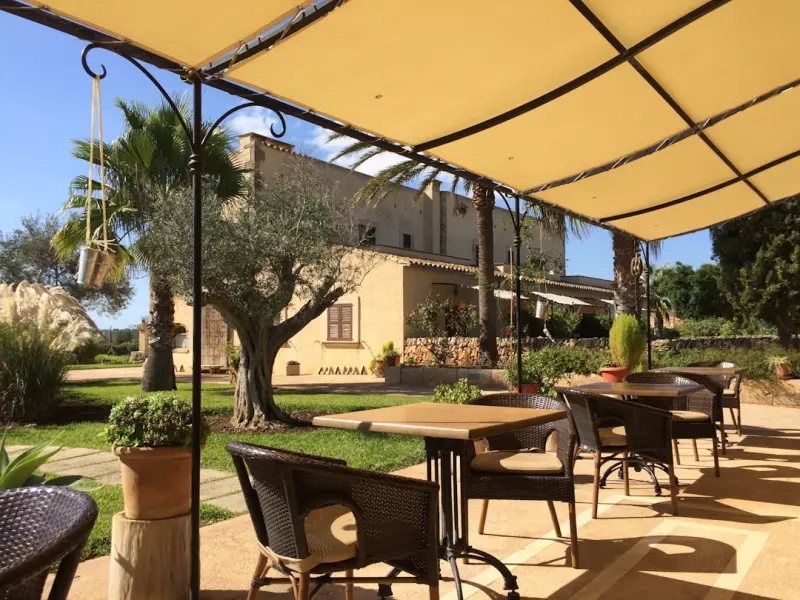
Beyond Shade: How Modern Awnings Redefine Outdoor Living
Awnings have evolved from simple shade solutions to versatile extensions of indoor comfort, offering... Read More

Awning Alchemy: Turning Simple Shade into Smart Outdoor Experience
Explore the untapped potential of awnings as dynamic, intelligent systems that enhance outdoor comfo... Read More
Top Posts
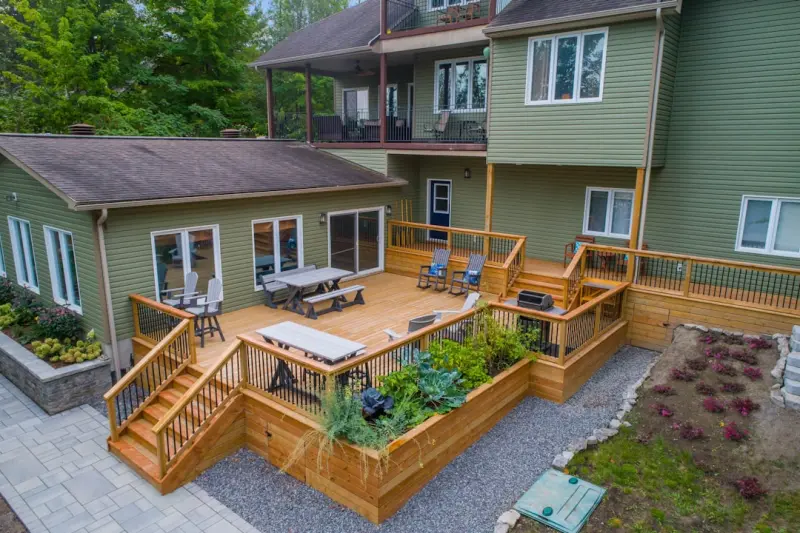
Rethinking Decks: From Seasonal Patio to Year‑Round Asset
A forward‑looking look at how decks are evolving beyond seasonal patios into adaptable, tech‑enhanced platforms that support work, wellness, and revenue gen...Read More

Solar Energy as a Strategic Business Asset: Turning Sunlight into Competitive Advantage
Solar isn’t just a green initiative; it’s a strategic asset that delivers predictable cash flow, risk mitigation, and new revenue streams. Learn how modular...Read More

The Unseen Superpower of Insulation: Comfort, Health, and Carbon Savings
A deep dive into how the right insulation strategy can transform indoor comfort, improve indoor air quality, and cut carbon footprints, with practical tips for ...Read More

Unlock Hidden Potential: Turn Unused Nooks into High‑Impact Home Zones
Learn how to audit, design, and revamp overlooked nooks in your home—turning hallways, closets, and attic corners into purposeful, high‑impact zones without...Read More
0 Comments
Post Comment
You will need to Login or Register to comment on this post!