
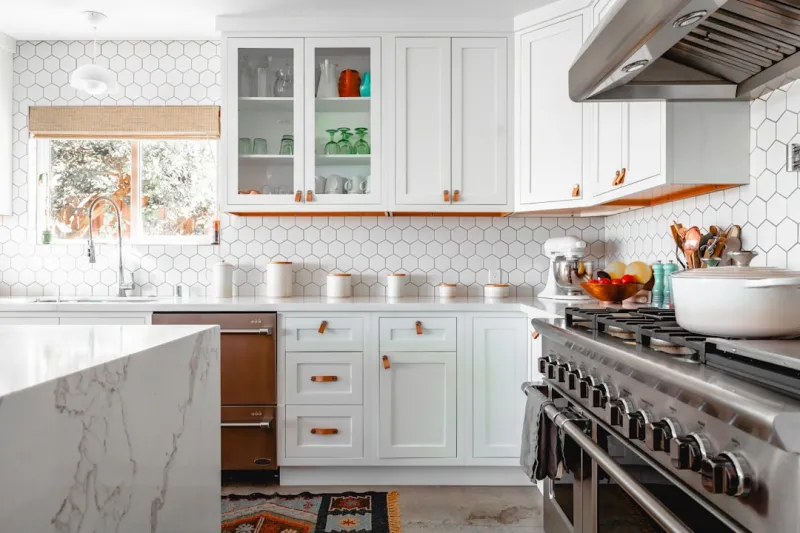
When I first walked into my client’s cramped, outdated kitchen, the smell of stale coffee and the clatter of cheap plastic drawers told me the space had been long overdue for a revival. I’ve spent the last decade turning tired cooking rooms into vibrant, functional hubs, and the most rewarding projects now are those that marry style with sustainability—a philosophy that has become the cornerstone of my design practice, especially as homeowners demand greener solutions without sacrificing the wow factor.
Strategic Planning: The Blueprint for a Greener Kitchen
Before the first cabinet is ordered, I sit down with the homeowner to map out a realistic budget, timeline, and a list of eco‑friendly goals that align with their lifestyle; this early collaboration prevents costly mid‑project pivots and ensures every decision, from insulation to appliance selection, supports the larger sustainability narrative. I encourage clients to think beyond aesthetics, asking them to consider the embodied carbon of each material and the long‑term energy savings that will accrue, because a well‑planned kitchen is a living example of how thoughtful design can reduce utility bills and carbon footprints simultaneously. By setting measurable targets—like achieving a 30 % reduction in energy use—I create a roadmap that keeps the project on track and the homeowner engaged from day one.
Choosing Sustainable Materials Without Compromising Style
The market for eco‑friendly cabinets, countertops, and backsplashes has exploded, offering everything from reclaimed hardwood to low‑VOC finishes that look as stunning as they are responsible. I often recommend cabinets sourced from salvaged timber, which not only adds a unique character but also diverts valuable wood from landfill; pairing these with recycled glass or quartz countertops provides durability while reducing the need for virgin stone extraction. For those who crave a touch of luxury, recycled metal backsplashes deliver a sleek, industrial vibe without the environmental baggage of traditional tile, and I always stress the importance of selecting adhesives and sealants that are certified green to keep indoor air quality high.
Energy‑Efficient Appliances: The Heartbeat of a Modern Kitchen
Modern appliances have become far smarter and greener, boasting ENERGY STAR ratings that translate into real dollars saved each year; I guide clients toward induction cooktops, which use magnetic fields to heat pots directly, eliminating wasted heat and reducing cooking times by up to 30 %. Refrigerators with variable‑speed compressors and dual‑zone cooling not only keep food fresher longer but also consume significantly less electricity than older models, while dishwashers equipped with soil sensors adjust water usage based on load cleanliness. By choosing appliances that communicate with each other via smart home hubs, homeowners can monitor usage patterns and tweak settings to achieve optimal efficiency—a win‑win for both the wallet and the planet.
Lighting the Way: Natural Light and LED Innovation
Lighting is more than just illumination; it defines the ambiance and can dramatically affect a kitchen’s energy profile. I love incorporating skylights or solar tubes that flood the space with daylight, cutting the need for artificial light during the day and creating an inviting atmosphere that boosts mood and productivity. When artificial lighting is necessary, I opt for dimmable LED fixtures that consume a fraction of the power of incandescent bulbs while offering a full spectrum of color temperatures to suit everything from morning coffee to evening entertaining. Adding motion sensors or timer controls further trims energy waste, ensuring the kitchen lights are only on when truly needed.
Sustainable Flooring Choices That Stand Up to the Test
Flooring endures the most foot traffic, spills, and occasional dropped pans, so durability is paramount—but that doesn’t mean you have to sacrifice eco‑credibility. Bamboo, reclaimed hardwood, and cork are excellent options that provide a warm, resilient surface while being renewable or repurposed; cork, in particular, offers natural antimicrobial properties—perfect for a kitchen environment. For a more industrial look, I sometimes specify polished concrete with a low‑VOC sealant, which not only looks sleek but also stores thermal energy, helping to stabilize indoor temperature. Whichever material you choose, I always recommend installing a subfloor made from recycled composite to further reduce the environmental impact.
Managing Waste: From Demolition to Repurposing
Renovations inevitably generate debris, but with a strategic waste‑management plan, that waste can become a resource. I work closely with demolition crews to sort materials on‑site, directing salvaged wood, metal, and appliances to local recycling centers or donation hubs; this approach not only reduces landfill contribution but can also yield tax credits for the homeowner. When possible, I repurpose old cabinet doors as pantry shelves or turn leftover countertop scraps into cutting boards, giving the kitchen a cohesive look built from its own history. Partnering with a contractor who embraces the principles outlined in The Rise of Sustainable General Contracting ensures that every stage of the remodel adheres to green standards, from sourcing to disposal.
Choosing the Right Professionals for a Green Renovation
Even the most well‑planned sustainable kitchen can fall short without the right hands to bring it to life; I always advise clients to vet contractors for their commitment to eco‑friendly practices, asking for certifications, past project portfolios, and references that speak to their environmental stewardship. A contractor familiar with the guidelines in Embracing Sustainable Kitchen Renovations will navigate the complexities of green building codes, procure responsibly sourced materials, and manage waste streams efficiently, keeping the project on schedule and within budget. Open communication, clear expectations, and a shared passion for sustainability turn the renovation from a construction job into a collaborative adventure that yields a kitchen you’ll love for decades.
Future‑Proofing Your Kitchen: A Legacy of Sustainability
As we wrap up the remodel, the true measure of success lies in the kitchen’s ability to adapt to future needs while maintaining its low‑impact footprint; I encourage homeowners to install modular storage systems that can evolve with changing culinary habits and to keep spare panels of sustainable flooring on hand for easy repairs. Incorporating smart ventilation that adjusts airflow based on humidity and cooking activity not only preserves indoor air quality but also reduces energy consumption over time. When a kitchen is built with foresight—leveraging renewable materials, energy‑saving technology, and a circular waste mindset—it becomes a lasting testament to responsible living, proving that style and sustainability can—and should—coexist in harmony.

David MacKinnon is a dynamic freelance writer known for his captivating storytelling and keen insights into the world of technology. With a passion for exploring the intersection of innovation and everyday life, he crafts engaging narratives that not only inform but also inspire his readers.
Related Posts
A Sustainable Kitchen Renovation That Feels Like Home
A personal, step‑by‑step guide to a sustainable kitchen remodel, blending reclaimed materials, s... Read More
Designing a Kitchen That Nurtures Family Connection
A kitchen remodel isn’t just about style—it’s a chance to shape how families connect, eat, and... Read More
The Ultimate Guide to Kitchen Renovations: Transforming Your Space with Style and Functionality
Kitchen renovations can transform your cooking space into a beautiful and efficient area. Learn how ... Read More
Top Posts

Weathering the Storm: A Comprehensive Guide to Home Weather Proofing
Weather proofing your home is crucial for protecting your investment, preventing costly repairs, and maintaining a safe and comfortable living environment. Lear...Read More

The Strategic Edge of Floor Heating in Modern Workspaces
Floor heating isn’t just a luxury—it’s a strategic asset that improves energy efficiency, employee comfort, and overall ROI. Learn how to integrate smart ...Read More

Why General Contractors Should Embrace the Circular Economy
A deep dive into circular construction, showing contractors how to cut costs, capture new revenue, and future‑proof projects by reusing materials, leveraging ...Read More

Why Your Closet Is the Ultimate Productivity Hack
A well‑designed closet does more than store clothes; it streamlines mornings, enhances mental clarity, and offers measurable ROI through modular design, smart...Read More
0 Comments
Post Comment
You will need to Login or Register to comment on this post!