
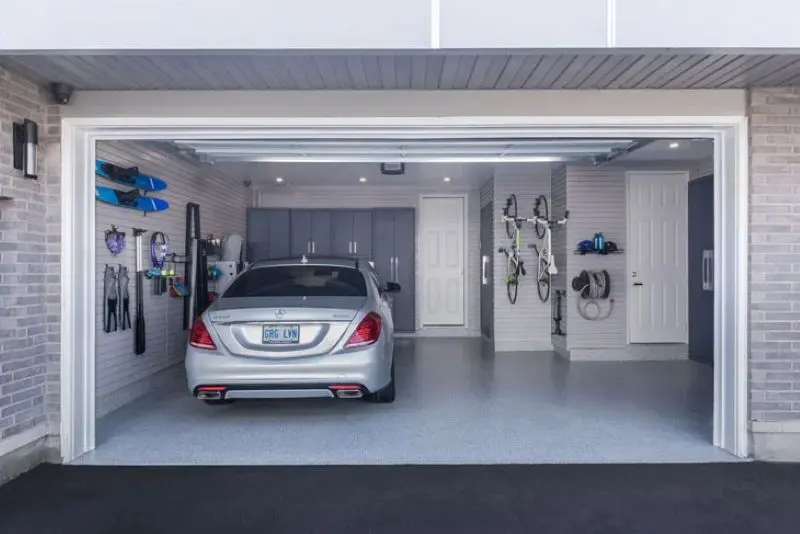
Why a Smart Garage Is the New Living‑Room Upgrade
When I first pulled the driveway to watch the sunrise, I realized my garage could be more than a dusty parking spot; it could be a hub for technology, comfort, and efficiency. Integrating IoT devices, climate control, and automated lighting transforms a simple structure into a seamless extension of the smart home ecosystem, letting you monitor temperature, humidity, and security from your phone while you’re at work or on the road. This shift not only adds convenience but also boosts curb appeal, making the property feel modern and future‑ready for potential buyers.
Designing for Dual‑Purpose: Workshop Meets Home Office
Most homeowners treat the garage as a one‑track space, but I’ve learned that allocating zones for a woodworking bench, a fitness corner, and a quiet office can multiply its utility without sacrificing storage. By installing modular wall panels and movable flooring tiles, you can reconfigure the layout in minutes to suit a morning workout, an afternoon DIY project, or a late‑night video conference. This adaptability encourages better work‑life balance, letting the garage serve as a productive retreat when the house feels too cramped.
Choosing Sustainable Materials That Stand the Test of Time
Traditional garage builds often rely on cheap, moisture‑prone lumber, but opting for reclaimed steel studs and insulated concrete forms creates a resilient envelope that resists rot and reduces thermal bridging. Pairing these core materials with low‑VOC paints and recycled insulation not only lowers the carbon footprint but also improves indoor air quality for anyone spending time inside the space. Over the long run, the durability of these choices translates into fewer repairs and a healthier environment for your family.
Maximizing Energy Efficiency with Passive Solar Strategies
One overlooked trick is orienting the garage’s larger glazing toward the south to capture winter sunlight while using overhangs to shade the space during scorching summer months. Coupled with high‑R value walls and a smart thermostat, this passive solar design can reduce heating costs by up to 30 percent, turning the garage into a net‑positive energy contributor for the whole home. Adding reflective roof coatings further deflects heat, keeping the interior cooler without sacrificing natural light.
Acoustic Insulation: Turning Noise Into Silence
Whether you’re powering a high‑octane engine or sanding wood, sound can quickly become a nuisance for the rest of the household. Installing resilient channels, dense mineral wool, and acoustic door seals creates a barrier that traps vibrations, allowing you to work on projects at any hour without disturbing sleeping family members. The result is a quieter, more peaceful environment that respects both your hobby and your neighbors.
Smart Security Systems Tailored for the Garage
Standard alarm panels often overlook the unique vulnerabilities of a detached or attached garage, so I upgraded to a system that combines motion sensors, video doorbells, and garage‑door position trackers. By linking these components to a centralized app, you receive instant alerts if the door is left ajar or if unexpected movement occurs, giving you the confidence to leave home without a second thought. This layered approach provides peace of mind while safeguarding valuable tools and vehicles.
Integrating EV Charging Stations Without Breaking the Bank
With electric vehicles becoming mainstream, installing a Level 2 charger in the garage is no longer a luxury but a practical necessity. By wiring the charger through a dedicated 240‑volt circuit and pairing it with a smart load‑management system, you can schedule charging during off‑peak hours to take advantage of lower electricity rates. This setup not only future‑proofs your property but also adds a compelling selling point for eco‑conscious buyers.
Creative Storage Solutions That Keep the Floor Clear
Clutter is the enemy of an efficient garage, so I turned to ceiling‑mounted hoists, wall‑mounted pegboards, and pull‑out cabinets to keep the floor space open for vehicles and activities. Using labeled bins and a color‑coded inventory system makes it easy to locate tools, sports gear, or seasonal décor without digging through piles. The clean, organized look also enhances safety by reducing trip hazards and creating a more inviting workspace.
Connecting the Garage to the Rest of the Home with Seamless Transitions
One of my favorite upgrades is installing a wide, insulated French door that doubles as a pantry entry and a visual bridge between indoor and outdoor living areas. This connection encourages the flow of natural light and fresh air, making the garage feel less like a detached box and more like an integrated part of the home’s architecture. For additional flair, I added a narrow hallway garden with low‑maintenance succulents, turning the passage into a miniature oasis that welcomes you every time you return from the driveway.

Tom Ferguson is a Canadian freelance writer with a passion for storytelling, current events, and thoughtful commentary. Drawing on years of writing experience, he shares engaging insights on a wide range of topics, bringing a uniquely Canadian perspective to his work.
Related Posts

Reimagining the Garage: From Parking Spot to Power Hub
Discover how to turn a traditional garage into a flexible, energy‑efficient hub that accommodates ... Read More

Designing a Multi‑Purpose Garage That Grows With Your Lifestyle
Transform your garage into a dynamic space that adapts to work, workouts, and hobbies, using smart d... Read More

From Parking Space to Profit Engine: Reimagining Garage Construction for the E‑Commerce Era
A garage can be more than a car shelter; it can serve as a micro‑distribution hub, workshop, and s... Read More
Top Posts

The Importance of Sustainable Lawn Care Practices
As homeowners, we often overlook the importance of sustainable lawn care practices. Learn how to create a eco-friendly outdoor space that reduces your environme...Read More

Collaboration Platforms: The New Blueprint for General Contractors
General contractors can revolutionize project outcomes by adopting real‑time collaboration platforms that synchronize BIM, track issues, and integrate modular...Read More

Reimagining Sheds & Gazebos: Micro‑Spaces That Boost Creativity, Wellness, and Sustainability
Learn to convert a modest backyard shed or gazebo into a purposeful micro‑space for remote work, creative pursuits, or personal wellness, using smart design, ...Read More

The Handyman’s New Role as a Tech‑Savvy Home Ally
Today's handyman is a tech‑savvy consultant who uses remote diagnostics, AR overlays, and data‑driven maintenance to turn traditional repairs into seamless,...Read More
0 Comments
Post Comment
You will need to Login or Register to comment on this post!