

The Hidden Power of Real‑Time Collaboration Platforms in General Contracting
In the fast‑paced world of general contracting, the margin between a profitable project and a money‑eating nightmare is often measured in minutes. A missed punch‑list item, a delayed material delivery, or a misunderstood design change can cascade into costly re‑work, schedule overruns, and strained client relationships. Yet, while the industry has embraced prefab walls, high‑performance drywall, and even AI‑driven inspections, the real game‑changer lies in the way we communicate and coordinate every stakeholder on a single, living digital canvas.
Why “Traditional” Communication Is Failing
For decades, general contractors have relied on a patchwork of emails, PDF drawings, phone calls, and occasional on‑site meetings. This siloed approach creates three hidden costs:
- Information latency: Updates made on a site floor plan might not reach the procurement team for hours, let alone days.
- Version drift: Multiple versions of the same drawing circulate, leading to mismatched expectations and rework.
- Accountability gaps: When a subcontractor claims a design conflict, the paper trail is often ambiguous, making dispute resolution painful.
When you add the complexity of modern building envelopes, renewable integrations, and stricter sustainability mandates, the traditional “send‑and‑wait” model becomes a liability.
Enter Real‑Time Collaboration Platforms
Imagine a single cloud‑based hub where the architect uploads a revised wall elevation, the structural engineer tags a load‑bearing note, the project manager adjusts the schedule, and the field crew sees the change instantly on a tablet. No more email chains, no more lost PDFs, no more “Did you get the latest version?”
These platforms are built on three core pillars:
- Live BIM synchronization: Building Information Modeling data is refreshed in real time, ensuring every discipline works from the same 3D model.
- Integrated task and issue tracking: Each change becomes a traceable action item, with owners, due dates, and status updates visible to all.
- Contextual data overlays: Sensors, IoT devices, and on‑site cameras feed live performance metrics (temperature, humidity, equipment usage) directly into the model.
The result? A digital twin that mirrors the construction site, updating every minute as work progresses.
From Theory to Tangible Benefits
Below are the concrete advantages that seasoned general contractors are already reporting after adopting such platforms:
- 30‑40% reduction in change order frequency. Because design modifications are communicated instantly, the downstream impact is mitigated before it snowballs.
- Up to 20% faster schedule adherence. Real‑time visibility allows the scheduler to re‑allocate crews on the fly, avoiding idle time.
- Improved cost control. With live material consumption data, the procurement team can reorder just‑in‑time, reducing excess inventory and waste.
- Enhanced safety compliance. When a site supervisor flags a safety concern, the alert is broadcast to every relevant party, and corrective actions are logged automatically.
Integrating Modular Construction Insights
One area where real‑time collaboration shines is in modular construction. Off‑site fabrication relies on precise sequencing; a delay in one module can halt the entire on‑site assembly line. By feeding the factory’s production schedule directly into the collaboration platform, contractors can align deliveries with on‑site crew readiness, essentially turning a potential bottleneck into a synchronized dance.
Moreover, the platform’s data analytics can predict when a module will finish its curing process, when a crane will be free, and even when the weather will be optimal for a lift—allowing the general contractor to lock in just‑in‑time logistics with confidence.
Driving Sustainability Through Circular Materiality
Another compelling use case ties directly into circular materiality. The collaboration hub can tag every material batch with its source, composition, and end‑of‑life pathway. When a subcontractor reports excess drywall, the system can instantly suggest a partner that recycles that specific gypsum formulation into new wall panels, turning waste into design gold.
This level of traceability not only satisfies green building certifications but also opens new revenue streams. Contractors can charge premium rates for “zero‑waste” builds, backed by transparent, auditable data that clients can review in real time.
Overcoming Implementation Hurdles
Adopting a real‑time collaboration platform is not a plug‑and‑play affair. The following challenges often surface:
1. Data Migration and Standardization
Legacy drawings, PDFs, and spreadsheets must be migrated into a structured BIM environment. This requires a clear data taxonomy and a dedicated migration team.
2. Change Management
Field crews accustomed to paper checklists may resist digital tools. A phased rollout—starting with a pilot project and providing hands‑on training—smooths the transition.
3. Integration with Existing ERP Systems
Most general contractors already have an ERP for finance and procurement. The collaboration platform must speak the same language via APIs to avoid data silos.
When tackled methodically, these hurdles become stepping stones toward a more resilient, data‑driven operation.
Key Features to Look For When Choosing a Platform
Not all collaboration tools are created equal. Here’s a quick checklist for the discerning general contractor:
- Native BIM support: Direct import/export of Revit, Navisworks, and ArchiCAD files.
- Mobile‑first design: Offline capabilities for sites with spotty connectivity.
- Robust permission controls: Granular access settings to protect proprietary design data.
- Built‑in analytics: Dashboards that surface schedule variance, cost overruns, and safety incidents.
- Scalable architecture: Ability to add new projects, users, and modules without performance degradation.
Real‑World Example: A Mid‑Rise Office Build
Consider a 12‑story office tower in a dense urban core. The client demanded a tight delivery schedule, high sustainability credentials, and zero‑tolerance for on‑site accidents. The general contractor deployed a real‑time collaboration platform with the following workflow:
- Design Integration: Architects uploaded a cloud‑based BIM model, tagging all glass façade panels with their performance specs.
- Supply Chain Sync: The procurement team linked the platform to their supplier portal, automatically generating purchase orders as soon as panel quantities were confirmed.
- Field Updates: Crane operators used tablet interfaces to mark each panel’s lift status, feeding live progress data back to the scheduler.
- Safety Alerts: A sensor detected high wind speeds on the 10th floor, triggering an automatic pause in crane operations and notifying the safety officer.
- Waste Management: Excess concrete was logged in the platform, which suggested a local recycler that could repurpose the mix into new pavement—closing the circular materiality loop.
Outcome? The project finished two weeks ahead of schedule, under budget by 5%, and earned a LEED Gold certification—all while maintaining an immaculate safety record.
Future Trends: AI‑Enhanced Decision Support
Real‑time collaboration platforms are already powerful, but the next wave will be AI‑driven predictive insights. Imagine a system that scans historical change order data, correlates it with current design revisions, and flags a high probability of a scope creep before it materializes. Or a model that simulates the impact of a weather forecast on concrete curing times, automatically adjusting the schedule to avoid costly rework.
These intelligent assistants will act as a second pair of eyes for the general contractor, surfacing risks that might otherwise remain hidden until they explode into budget overruns.
Actionable Steps to Get Started Today
If you’re ready to future‑proof your contracting business, follow this three‑phase plan:
- Assess Your Digital Maturity: Conduct an internal audit of current communication tools, data formats, and workflow bottlenecks.
- Choose a Pilot Project: Select a medium‑size build with a cooperative owner and a tech‑savvy subcontractor team.
- Partner with a Proven Platform Provider: Look for vendors who have demonstrated success in modular construction and circular materiality projects—those case studies are a good indicator of maturity.
Document lessons learned, iterate, and then scale the solution across your portfolio. The payoff is not just faster builds; it’s a reputation for reliability, sustainability, and innovation that will attract premium clients.
Conclusion: Collaboration Is the New Construction Material
In the same way that high‑performance drywall and advanced waterproofing have transformed the physical envelope of buildings, real‑time collaboration platforms are reshaping the intangible “fabric” of construction projects. By unifying design, procurement, field execution, and safety into a single, living digital environment, general contractors can cut change orders, accelerate schedules, and deliver greener, safer, and more profitable outcomes.
Embrace the platform, integrate modular construction insights, and close the loop on circular materiality—you’ll find that the most valuable resource on any job site isn’t concrete or steel; it’s the shared, real‑time information that powers every decision.

William Roy is a freelance writer originally from Montreal who moved to Ottawa with his wife of 50 years to be closer to their grandkids. Alongside his writing, William has a passion for fishing.
Related Posts

The Evolution of General Contracting: How Sustainable Solutions Are Revolutionizing the Industry
The general contracting industry is undergoing a significant transformation, driven by growing conce... Read More
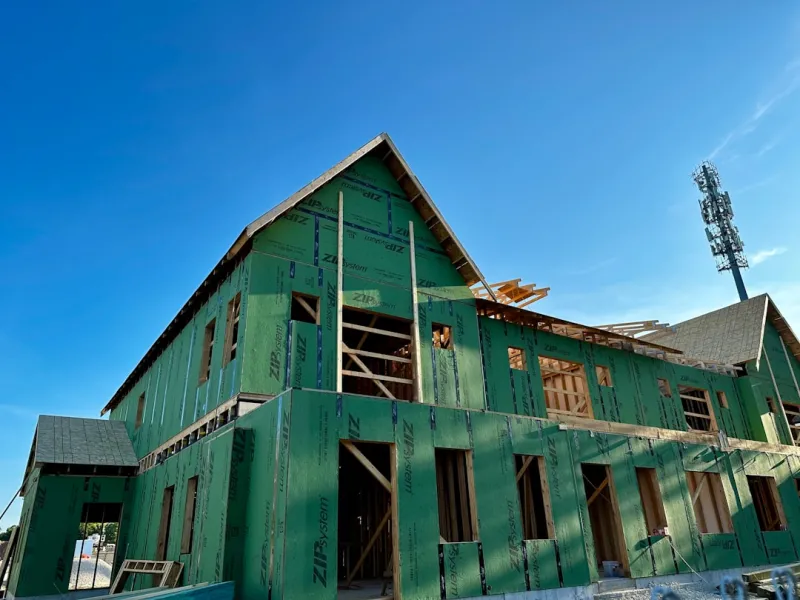
Sustainable General Contracting: Building Value with Purpose
Explore the evolving world of general contracting, where sustainable materials, design‑build colla... Read More
Why General Contractors Are Turning Green and What It Means for Your Next Build
General contractors are redefining construction with green strategies that cut costs, boost efficien... Read More
Top Posts

Beyond the Wall: Mastering Modern Drywall Techniques
A deep dive into contemporary drywall practices, covering eco‑friendly materials, acoustic solutions, fire‑rating, and integrating smart sensors to create h...Read More

Observable Electrical Systems: Turning Data Into Power Efficiency
The post explores the rise of observable electrical systems, detailing how sensor‑driven data, digital twins, and edge AI convert traditional panels into proa...Read More

The Evolution of Sustainable Property Maintenance: A Greener Future for Your Home
Sustainable property maintenance is on the rise, and it's revolutionizing the way we care for our homes. Learn how to make your home more eco-friendly and contr...Read More

Breathe New Life Into Vintage Windows: A DIY Home Repair Blueprint
Discover a comprehensive DIY process for restoring vintage wooden windows, from assessing damage and gathering tools to sealing, glazing upgrades, and long‑te...Read More
0 Comments
Post Comment
You will need to Login or Register to comment on this post!