
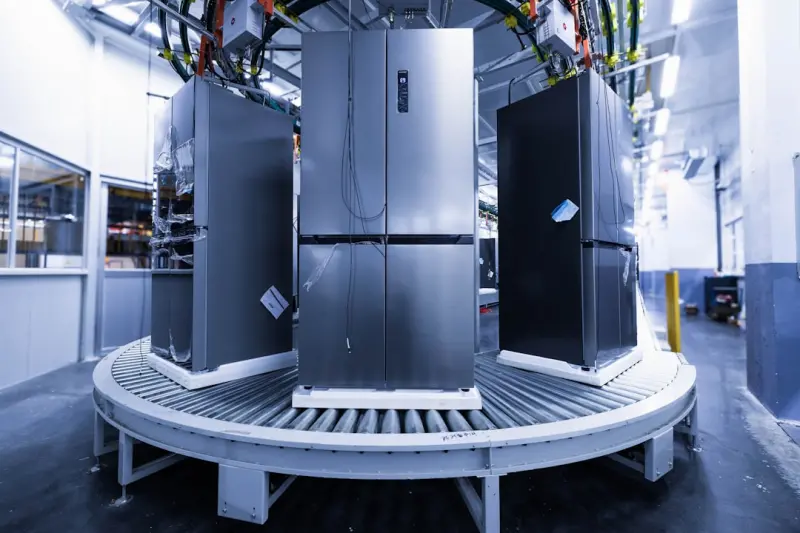
Why Downtime Isn’t the End of the World – It’s a Strategic Signal
Every time a commercial refrigerator hums louder than usual or a warehouse conveyor belt stalls, most managers feel a familiar knot in their stomach. The instinctive reaction is to call in a technician, swap out the part, and hope the problem never returns. What if, instead, you treated that moment as a data point—a strategic signal that could sharpen your operations, reduce costs, and even become a competitive advantage?
The Real Cost of Ignoring the Warning Signs
Most businesses calculate appliance repair expenses in terms of labor rates and part prices. That’s a narrow view. The hidden cost of a malfunctioning appliance includes:
- Production loss: A broken walk‑in cooler can halt food preparation, leading to missed orders and unhappy customers.
- Energy waste: Faulty compressors run inefficiently, inflating utility bills.
- Brand erosion: A single service interruption can tarnish a reputation built on reliability.
- Compliance risk: Certain appliances—like industrial ovens—are subject to safety regulations; a malfunction can trigger costly inspections.
When you aggregate these factors, a single “quick fix” often translates into a multi‑thousand‑dollar impact on the bottom line.
From Reactive to Predictive: The Power of Data‑Driven Maintenance
The shift from reactive to predictive maintenance isn’t a buzzword—it’s a measurable ROI driver. By installing sensors that monitor temperature, vibration, current draw, and even acoustic signatures, you turn every appliance into a miniature data hub. The collected data feeds into analytics platforms that can flag an anomaly before the machine throws a tantrum.
One practical approach is to establish a baseline performance model for each asset type. When real‑time readings deviate beyond a pre‑set threshold, the system automatically generates a service ticket. This method reduces unplanned downtime by up to 30‑40% in many pilot programs.
Remote Diagnostics: Fixing the Problem Before You Walk In the Door
Modern appliances—especially those in the “smart” category—come equipped with connectivity modules. A technician can now log into the device remotely, run self‑diagnostic routines, and even apply firmware patches without stepping foot on site. The benefits are immediate:
- Speed: Issues are identified within minutes rather than hours.
- Cost efficiency: Fewer travel miles mean lower labor costs.
- Safety: Remote work reduces exposure to hazardous environments.
When remote diagnostics become the default, on‑site visits are reserved for parts replacement or complex mechanical repairs, dramatically improving technician utilization rates.
Building an In‑House Repair Culture
Outsourcing every repair can be expensive, but a blanket “in‑house only” policy also has pitfalls. The sweet spot lies in a hybrid model where your staff handles routine, low‑risk tasks while a trusted external partner tackles high‑skill interventions.
Invest in a knowledge base that captures recurring issues, troubleshooting steps, and parts inventories. Empower your facilities team with the unconventional toolbox mindset—thinking creatively about tools and parts can reduce dependency on external vendors.
Regular “maintenance drills”—simulated outage scenarios—keep the team sharp and expose gaps in procedures before a real incident occurs.
Sustainability: Repair Over Replace
From a corporate responsibility standpoint, extending appliance life cycles cuts waste and reduces the carbon footprint associated with manufacturing new equipment. The Environmental Protection Agency estimates that a single commercial refrigerator can generate up to 2,200 pounds of refrigerant leakage over its lifespan—most of which ends up in the atmosphere.
Choosing to repair instead of replace aligns with ESG goals, satisfies increasingly stringent sustainability reporting standards, and can be a compelling narrative for stakeholders.
Choosing the Right Service Partner
Not all repair providers are created equal. When evaluating a partner, consider the following criteria:
- Proactive monitoring capabilities: Does the vendor offer continuous IoT audits that integrate with your building management system?
- Response time guarantees: Look for service level agreements (SLAs) that define exact windows for diagnosis and parts delivery.
- Technical breadth: A partner that services everything from industrial dishwashers to high‑capacity HVAC units reduces the need for multiple contracts.
- Data transparency: Access to real‑time repair logs and analytics helps you track performance trends.
One emerging model is the subscription‑based repair model, which bundles preventive maintenance, remote monitoring, and on‑site service into a predictable monthly fee. While we’re not advocating a one‑size‑fits‑all approach, the model’s emphasis on predictability and continuous care mirrors the predictive maintenance philosophy discussed earlier.
Future Outlook: AI‑Powered Repair Assistants
Artificial intelligence is poised to become the next frontier in appliance repair. Imagine an AI assistant that reviews sensor data, cross‑references known failure modes, and suggests the exact part and procedure needed—all before a technician arrives. Early pilots are already demonstrating a 25% reduction in mean time to repair (MTTR).
Coupled with augmented reality (AR) glasses, technicians can receive step‑by‑step visual overlays while working, dramatically lowering the learning curve for complex repairs and minimizing errors.
Putting It All Together—A Blueprint for Action
- Audit your asset inventory: Catalog every appliance, noting age, usage patterns, and existing sensor coverage.
- Implement real‑time monitoring: Deploy IoT sensors where they’re missing, focusing first on high‑impact equipment.
- Define predictive thresholds: Work with your analytics team to set actionable alerts.
- Establish a hybrid repair team: Train internal staff for routine tasks and partner with a vendor for specialized work.
- Integrate remote diagnostics: Ensure that all smart appliances are configured for secure remote access.
- Measure and iterate: Track downtime, repair costs, and energy usage monthly; refine thresholds and processes accordingly.
When you treat appliance downtime as a strategic data point rather than a mere inconvenience, you unlock a powerful lever for operational excellence, cost control, and sustainability. The next time a humming fridge or a stuttering dryer catches your eye, ask yourself: What insight does this glitch hold for my business?

William Roy is a freelance writer originally from Montreal who moved to Ottawa with his wife of 50 years to be closer to their grandkids. Alongside his writing, William has a passion for fishing.
Related Posts

The Benefits of Sustainable Appliance Repair
Sustainable appliance repair can save you money and contribute to a more environmentally friendly ho... Read More

The Hidden Value of Scheduled Appliance Check‑Ups
Regular appliance check‑ups prevent costly breakdowns, improve safety, and extend device lifespan.... Read More
Why Remote Diagnostics Are the Future of Appliance Repair
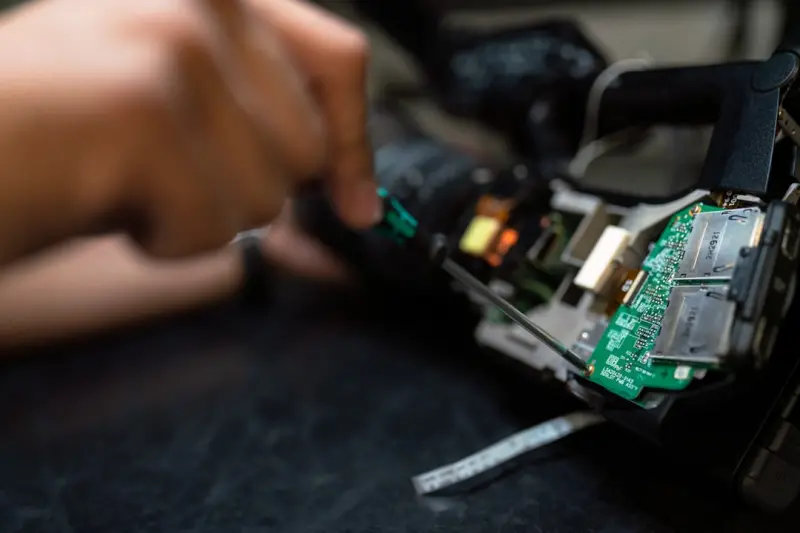
Remote diagnostics turn appliances into proactive partners, letting technicians diagnose issues befo... Read More
Top Posts

Navigating Construction Permits: A Pragmatic Playbook for Modern Builders
A detailed guide that walks builders through zoning, code compliance, digital filing, inspections, and cost management to turn the often‑troublesome permit pr...Read More

The Hidden Dangers of Dirty Ducts: Why Duct Cleaning Matters
Dirty ducts can lead to reduced indoor air quality, increased energy bills, and costly repairs. Learn why duct cleaning matters and how it can benefit your home...Read More

Snow Removal Reimagined: Harnessing Data and Digital Twins for Safer, Greener Winters
Discover how a data‑driven approach—using sensors, predictive analytics, and digital twins—can revolutionize snow removal, delivering safety, cost savings...Read More

The Importance of Construction Permits: A Comprehensive Guide
Construction permits are official documents that grant permission to commence construction on a project. Learn about the importance of permits, the process of o...Read More
0 Comments
Post Comment
You will need to Login or Register to comment on this post!