
Why Insulation Deserves a Spot on Your Home’s Priority List
When most homeowners think about insulation, they picture a thin blanket of fiberglass tucked behind walls, simply keeping the heat in during winter and the cool out during summer; however, the true value of a well‑engineered insulation system stretches far beyond temperature regulation, influencing indoor air quality, acoustic comfort, and even the structural longevity of a house. Modern insulation strategies act like a silent partner that works round‑the‑clock to manage moisture migration, prevent condensation pockets, and reduce the strain on HVAC equipment, which translates to lower utility bills and fewer emergency repairs. In my own renovation journey, I discovered that a thoughtful insulation upgrade was the single most transformative change I could make, delivering measurable improvements in comfort while also boosting the resale appeal of the property.
R‑Value Myths and Real‑World Thermal Performance
Industry marketing often touts higher R‑values as the ultimate badge of insulation superiority, but in practice, the installation quality, coverage continuity, and proper air sealing can eclipse the nominal rating on the product label, especially in older homes with irregular framing or gaps. When I consulted the energy‑efficient renovation checklist, the guidance emphasized a holistic view: measure actual heat loss with a thermal camera, seal penetrations before installing new insulation, and verify that the material stays dry throughout the year to maintain its intended performance. By focusing on these practical steps rather than chasing the highest R‑value on paper, I achieved a noticeable temperature stabilization that reduced my thermostat reliance by nearly 15 percent.
Air Sealing: The Unsung Hero That Amplifies Insulation
Air infiltration is the stealthy thief that can erode the benefits of any insulation, allowing drafts to bypass the thermal barrier and forcing heating or cooling systems to work overtime, a reality I confronted after noticing persistent cold spots near my attic hatch despite newly installed batts. The solution lies in a systematic approach: identify leaks with a blower door test, prioritize sealing around windows, doors, and utility penetrations, and then apply the appropriate insulation type—whether spray foam for hard‑to‑reach cavities or dense‑pack cellulose for open attics—to create a continuous envelope. This tandem of air sealing and insulation not only stabilizes indoor temperatures but also mitigates moisture accumulation that can otherwise lead to mold growth and structural decay.
Acoustic Insulation: Turning Noise Into Quiet
Beyond thermal considerations, insulation can serve as a powerful acoustic buffer, especially in open‑plan homes where sound travels unimpeded, a scenario I experienced while setting up a home office adjacent to a bustling family room. By opting for high‑density insulation such as mineral wool, which offers superior sound‑absorbing properties compared to standard fiberglass, and installing it both within walls and under floating floors, the reverberation time dropped dramatically, creating a calmer environment conducive to concentration and sleep. This dual‑function approach underscores how a strategic insulation plan can simultaneously address temperature control and noise mitigation, enhancing overall livability.
Eco‑Friendly Insulation Choices: From Cellulose to Hemp
As sustainability becomes a core value in modern home improvement, many homeowners—myself included—are turning to bio‑based insulation alternatives that reduce carbon footprints while delivering comparable performance to conventional materials. Recycled cellulose, made from post‑consumer newspaper, offers a high R‑value per inch and excellent air‑sealing characteristics when densely packed, while sheep’s wool and hemp provide natural moisture‑regulating capabilities that help maintain a balanced indoor climate. When I explored these options, I referenced the detailed guide on vintage windows to ensure that my new insulation would complement existing historic fenestration without compromising the building’s character, ultimately achieving a greener, healthier home envelope.
Smart Insulation: Integrating Sensors and Dynamic Materials
The rise of IoT technology has paved the way for “smart insulation” systems that combine traditional insulating materials with embedded temperature and humidity sensors, offering real‑time feedback that homeowners can use to fine‑tune HVAC operation and prevent hidden moisture issues. Phase‑change materials (PCMs) represent another frontier, absorbing excess heat during the day and releasing it at night, thereby flattening indoor temperature swings without additional energy input. By installing a network of discreet sensors linked to a central dashboard, I was able to pinpoint under‑insulated zones and adjust airflow, resulting in a 10 percent reduction in heating demand while preserving comfort.
Cost‑Benefit Analysis: Understanding the Payback Timeline
Investing in high‑quality insulation often raises the question of return on investment, and while the upfront costs can appear steep, a thorough cost‑benefit analysis reveals that the payback period is typically shorter than homeowners expect, especially when factoring in energy savings, increased property value, and reduced maintenance expenses. According to industry data, every additional inch of R‑value can shave off up to 5 percent of annual heating and cooling costs, and the added comfort often translates into higher resale prices, a benefit I quantified using local market comparables after completing my upgrade. Highlighting these financial incentives can help homeowners make confident decisions, turning insulation from a “nice‑to‑have” into a strategic asset.
DIY Insulation Assessment and Installation Tips
For the hands‑on homeowner, the first step in a successful insulation project is a comprehensive assessment: inspect attic access, crawl spaces, and wall cavities for existing material condition, identify any signs of water damage or pest activity, and measure current R‑values where possible using a portable infrared scanner. Once the audit is complete, select the appropriate insulation type—blown‑in cellulose for irregular joist spacing, spray foam for sealing tight penetrations, or rigid foam boards for exterior sheathing upgrades—and follow safety protocols such as wearing respirators, protective eyewear, and ensuring adequate ventilation during installation. By methodically planning each phase, you can achieve a professional‑grade result without the expense of a full contractor engagement.
When to Call a Pro: Balancing DIY Ambition with Expert Insight
While many insulation tasks are within the reach of a diligent DIYer, certain scenarios—like retrofitting closed‑wall cavities in historic homes or installing spray foam in confined spaces—benefit greatly from professional expertise to avoid gaps, over‑expansion, or code violations. The handyman’s blueprint for rapid, profitable repairs outlines the value of leveraging skilled tradespeople for complex jobs, ensuring that the work meets both performance and safety standards. By knowing when to enlist a specialist, you protect your investment and maintain the structural integrity of the building envelope.
Future‑Facing Insulation: Aerogel, Vacuum Panels, and 3D‑Printed Solutions
Looking ahead, emerging insulation technologies promise unprecedented performance levels, with aerogel offering R‑values up to 30 per inch, vacuum insulated panels delivering ultra‑thin thermal barriers, and 3D‑printed insulation materials allowing custom shapes that perfectly fit irregular spaces. Although these innovations currently carry premium price tags, early adopters—particularly in high‑performance passive houses—are already reaping benefits such as dramatically reduced wall thickness and superior thermal stability. Keeping an eye on these trends positions homeowners to make informed decisions when the market matures, ensuring that their homes stay ahead of the curve in energy efficiency and comfort.
Wrapping Up: Insulation as a Holistic Home Upgrade
In the grand scheme of home improvement, insulation should be viewed not merely as a cost center but as an integrated system that touches thermal comfort, acoustic serenity, indoor health, and long‑term financial resilience, a perspective I’ve embraced throughout my own renovation experiences. By debunking common myths, embracing sustainable materials, leveraging smart technologies, and balancing DIY ambition with professional guidance, homeowners can unlock the full spectrum of benefits that a well‑designed insulation envelope provides. The result is a home that feels more alive, breathes easier, and stands ready to meet the challenges of tomorrow’s climate demands.

Paul Gray is a dynamic blogger based in Brampton, where he shares his life with his amazing wife, Sarah. Known for his engaging writing style and relatable insights, Paul has carved out a niche in the blogging world that resonates with readers from all walks of life. When he's not crafting captivating posts, you can find him savoring a cold beer or indulging in the latest blockbuster movie. With a friendly demeanor and a passion for storytelling, Paul brings a unique perspective to his work, making him not just a blogger, but a voice for those who appreciate the simple joys of life.
Related Posts
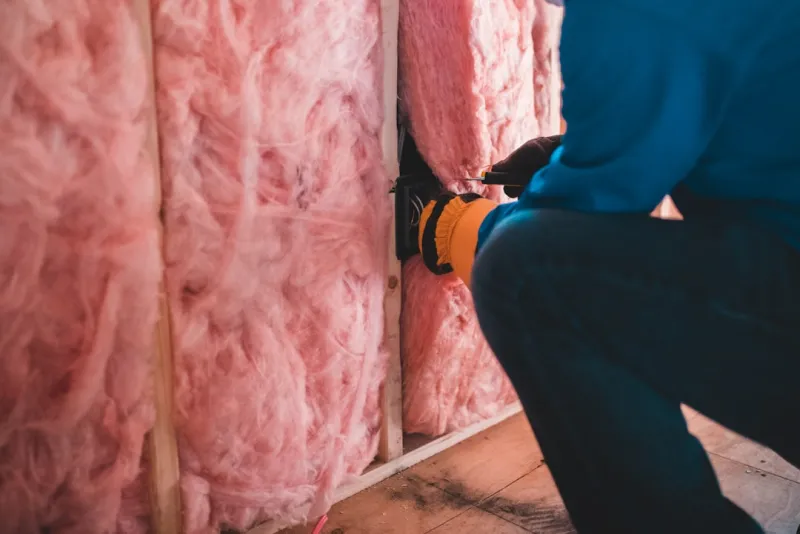
The Importance of Insulation in Home Restoration
Insulation is a critical component of home restoration that can impact comfort, energy efficiency, a... Read More

Insulation Unlocked: Turning a Hidden Layer into a Strategic Advantage
Insulation isn’t just about R‑values; it’s a health shield, carbon reducer, and data‑rich as... Read More
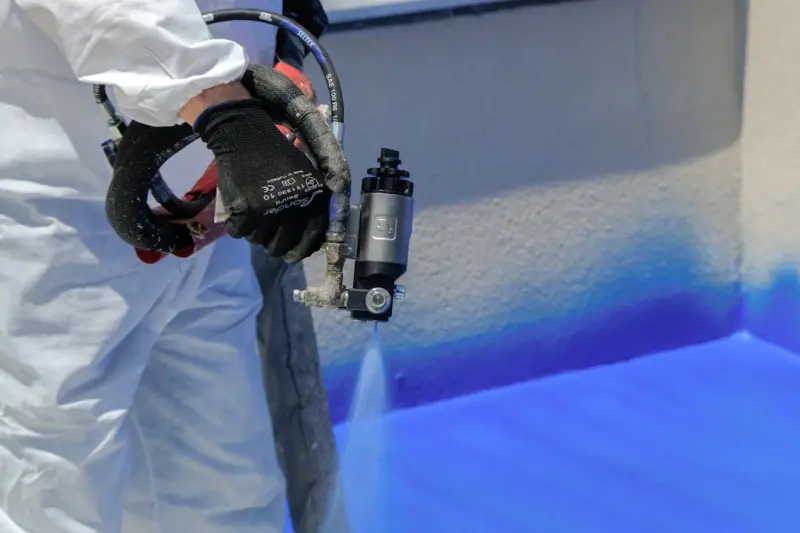
The Invisible Advantage: How Smart Insulation Is Redefining Building Performance
Insulation is evolving from a passive barrier to a data‑driven performance layer. Learn how advanc... Read More
Top Posts
Revive Your Bathroom: The Insider’s Guide to Bathtub Refinishing
Learn why bathtub refinishing is the smart, eco‑friendly alternative to replacement, with a detailed process, tools, cost breakdown, and maintenance tips....Read More

Smart Awnings: How Intelligent Shade is Redefining Outdoor Living
Explore the rise of smart awnings—IoT‑enabled, solar‑powered shade solutions that transform outdoor spaces into energy‑saving, automated havens....Read More

Turn Your Home Into a Calm Retreat Without Major Renovations
Simple, affordable tweaks—like smart lighting, hidden storage, and soothing scents—can turn any space into a tranquil sanctuary, boosting comfort and wellbe...Read More
The Hidden Science of Mold Removal: A Homeowner’s Playbook
A detailed, step‑by‑step guide to identifying, removing, and preventing mold in residential spaces, featuring practical tools, airflow tips, and when to cal...Read More
0 Comments
Post Comment
You will need to Login or Register to comment on this post!