
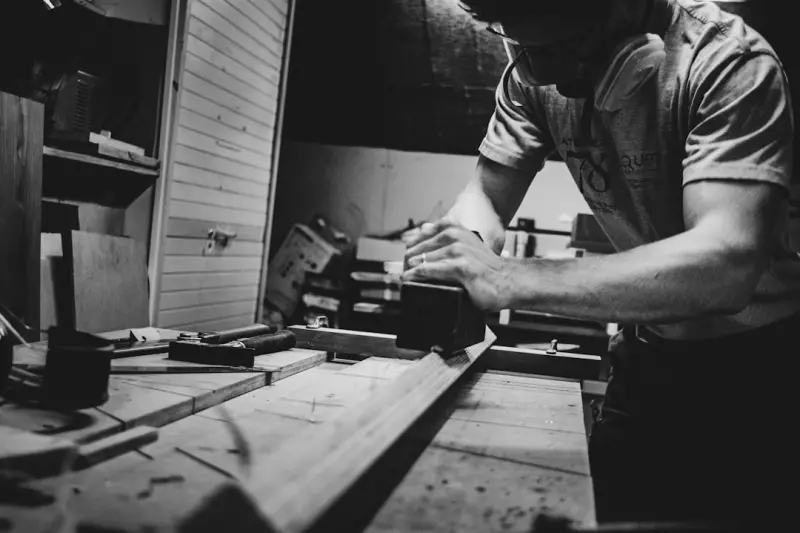
Reimagining Woodworking: Harnessing Digital Fabrication for Timeless Craft
When I first walked into my grandfather’s workshop, the scent of fresh‑cut pine and the rhythmic hum of a hand‑driven planer felt like a secret language. Decades later, I’m still chasing that same feeling, but now my toolbox includes a CNC router, a cloud‑based design library, and a curiosity that refuses to stay confined to a single era. This piece is a deep dive into how modern digital fabrication can amplify, rather than replace, the soul of traditional woodworking.
The Myth of the “Old‑School” Purist
There’s a persistent myth that a true woodworker must reject anything that isn’t a hand‑crafted, hand‑shaved masterpiece. In reality, the greatest makers I know have always been pragmatists at heart. They respect the grain, the joinery, and the story of each board, yet they aren’t shy about borrowing tools that make the process cleaner, faster, and—importantly—more sustainable.
Take the classic mortise‑and‑tenon joint. For centuries it’s been the backbone of sturdy furniture. Yet carving each mortise by hand can waste time and material, especially when you’re producing a line of chairs for a boutique showroom. A well‑tuned CNC machine can mill perfectly dimensioned mortises in seconds, leaving you free to focus on the finishing touches that truly define character.
From Sketchpad to Screen: The Design Workflow
My current workflow begins the moment a concept sparks in a notebook. I scan the sketch, import it into a parametric CAD program, and start playing with dimensions. Because the model is parametric, I can instantly see how a 5 mm increase in leg thickness impacts overall stability, weight, and material usage. This iterative loop—something that would have taken weeks in a purely analog shop—now unfolds in real time.
When the digital model feels solid, I export a toolpath for the CNC router. Here’s where the magic truly happens: the same file can drive a 12‑inch tabletop cutter in my garage or a massive industrial router in a partner’s production facility. Consistency across scales is a game‑changer for custom orders and small‑batch runs alike.
Choosing the Right Wood for Digital Processes
Not every wood behaves the same under a high‑speed spindle. Softwoods like spruce or pine cut cleanly but can splinter if the feed rate is too aggressive. Hardwoods—maple, walnut, cherry—offer beautiful grain but demand slower speeds and sharper bits to avoid tear‑out. Understanding these nuances is essential for preserving the integrity of the piece while leveraging the speed of digital tools.
One technique I swear by is pre‑conditioning the stock. By running a shallow “roughing” pass before the final cut, the router removes the bulk of material gently, reducing stress on the fibers. The final pass then delivers a crisp, true-to‑design edge that looks as if it were hand‑finished.
Integrating Traditional Joinery with CNC Precision
Modern digital fabrication shines when it complements, not overrides, time‑tested joinery methods. For example, I often CNC‑cut dovetail sockets with laser‑tight tolerances, then hand‑fit the pins using a traditional mallet. The result is a joint that snaps together with the confidence of a hand‑crafted piece but retains the repeatability needed for small‑series production.
Another favorite is the finger joint for reclaimed lumber. By feeding reclaimed planks into a CNC, I can design interlocking patterns that not only reinforce weak sections but also highlight the wood’s history—knots, nail holes, and all. The visual narrative of reclaimed material becomes part of the design language.
Sustainability: Making Every Shavings Count
One of the most rewarding aspects of merging digital tools with woodworking is the ability to minimize waste. CNC software can nest parts—arranging cuts like a jigsaw puzzle—to maximize yield from each board. Coupled with a dust collection system that captures fine particles, the shop becomes a far cleaner, greener environment.
For those looking to close the loop, consider pairing your workshop with a local rain‑water harvesting system. Not only does it supply the clean water needed for finishing coats, but it also demonstrates a holistic approach to material stewardship.
Tool Selection: Balancing Investment and Return
Investing in a CNC router can feel like stepping into uncharted territory, especially if your budget is modest. Start small: a benchtop router can handle most tabletop projects, cabinets, and decorative panels. As your confidence grows, you can upgrade to a larger gantry system for full‑size furniture components.
Don’t overlook ancillary tools either. A high‑quality dust extractor, a reliable vacuum table, and a set of carbide‑tipped bits will extend the life of your machine and keep tolerances tight. Remember, the goal isn’t to replace every hand tool but to augment the ones that benefit most from automation.
Learning Curve: Where to Start
For woodworkers new to CNC, the learning curve can feel steep. I recommend the following steps:
- Get comfortable with a basic CAD program. Free tools like SketchUp or Fusion 360 have extensive tutorials.
- Practice with simple shapes. Cut squares, circles, and basic joinery to understand feed rates and depth of cut.
- Join a community. Online forums, local maker spaces, and YouTube channels are treasure troves of troubleshooting tips.
- Document your settings. Keep a log of spindle speeds, feed rates, and bit types for each material.
Patience is key. The first few pieces may not look perfect, but each iteration teaches you something new about the wood, the machine, and the software.
Case Study: From Prototype to Production
Last spring I was approached by a boutique hotel looking for a signature lobby bench. They wanted a piece that echoed the region’s maritime heritage—think sleek lines, subtle curvature, and a nod to shipbuilding techniques.
We began with hand‑drawn sketches, then transitioned to a parametric model that allowed us to experiment with curvature radii and seat depth in seconds. The CNC router milled the primary structural components from reclaimed shipyard pine, using finger joints to reinforce the seams. The final assembly was completed by hand, with traditional mortise‑and‑tenon joints for the armrests, giving the bench a tactile, handcrafted feel.
The result was a bench that arrived on time, within budget, and with a surface finish that required only a light hand‑rubbed oil to highlight the grain. The client loved the blend of heritage and modern precision—a perfect illustration of how digital and analog can coexist harmoniously.
Future Trends: Where Woodworking Meets Emerging Tech
While I’m not a futurist, I can’t ignore the ripple effects of a few emerging technologies:
- AI‑driven optimization. Imagine software that suggests the most material‑efficient nesting pattern based on real‑time inventory data.
- Smart sensors. Integrated moisture sensors within a CNC‑cut panel could alert you to potential warping before the piece even leaves the shop.
- Augmented reality (AR) overlays. Wearable AR could guide a woodworker through complex joinery steps, blending the tactile with the digital.
These innovations will likely become standard tools in the next decade, but they’ll still rely on the same principles that have guided woodworking for centuries: respect for the material, precision in execution, and a relentless curiosity.
Bridging the Gap: Community and Collaboration
One of the most rewarding aspects of this hybrid approach is the collaborative possibilities it opens up. By sharing CNC‑ready designs on open‑source platforms, woodworkers worldwide can remix, improve, and adapt projects to local contexts. This collective intelligence not only accelerates innovation but also preserves regional woodworking traditions by allowing them to evolve.
If you’re curious about how digital tools can reshape your own practice, start by exploring deck design innovations. Many of the same principles—precision cuts, efficient material use, and seamless integration with the surrounding environment—apply directly to furniture and interior woodworking.
Final Thoughts: Embrace the Tension
The tension between hand‑skill and machine precision is not a conflict; it’s a dialogue. Each time a CNC router carves a clean groove, it whispers to the craftsman: “I’ve handled the bulk, now you can focus on the soul.” And each hand‑finished surface tells the machine: “Your accuracy is the foundation upon which my artistry stands.”
In my workshop, the old and the new are no longer opposing forces—they’re partners in a shared quest for beauty, durability, and sustainability. If you’re ready to explore this partnership, pull up a stool, fire up your design software, and let the grain guide you into a new era of woodworking.

Paul Gray is a dynamic blogger based in Brampton, where he shares his life with his amazing wife, Sarah. Known for his engaging writing style and relatable insights, Paul has carved out a niche in the blogging world that resonates with readers from all walks of life. When he's not crafting captivating posts, you can find him savoring a cold beer or indulging in the latest blockbuster movie. With a friendly demeanor and a passion for storytelling, Paul brings a unique perspective to his work, making him not just a blogger, but a voice for those who appreciate the simple joys of life.
Related Posts

Crafting a Flexible Woodworking Studio for Small Homes
Discover step‑by‑step guidance on creating a versatile, compact woodworking studio that balances... Read More
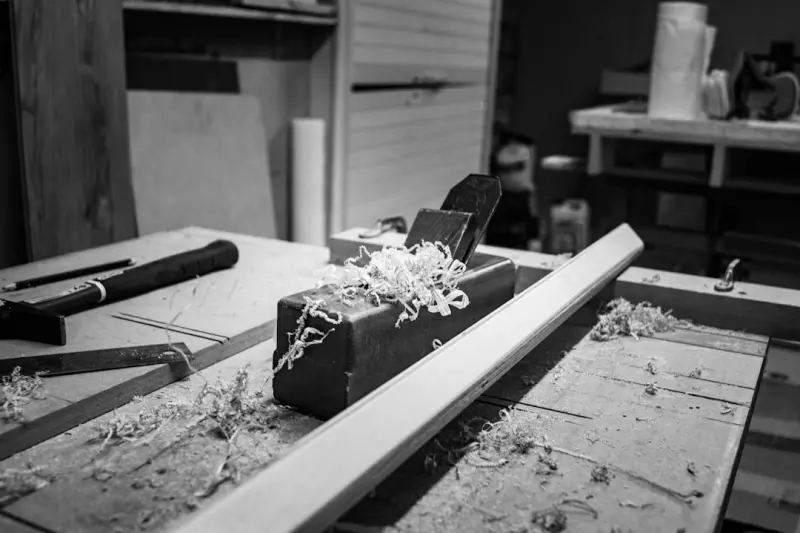
The Hand Plane Revival: Crafting Precision in a Digital Age
Discover how the humble hand plane bridges traditional craftsmanship with modern technology, offerin... Read More

Seeing is Cutting: How Augmented Reality is Transforming Woodworking
Augmented reality is reshaping the woodworking shop, offering real‑time visual overlays for cuts, ... Read More
Top Posts

Why a Well‑Tended Lawn Is Your Company’s Secret Weapon for Employee Happiness
A thoughtful lawn can lower stress, improve morale, and increase productivity. Learn how strategic placement, sustainable maintenance, and employee engagement t...Read More

Beyond Shade: How Modern Awnings Redefine Outdoor Living
Awnings have evolved from simple shade solutions to versatile extensions of indoor comfort, offering health benefits, privacy, and energy savings while enhancin...Read More

Data-Driven Snow Removal: How to Plan, Prioritize, and Save Time
Discover a data‑focused approach to snow removal that helps you schedule trips, allocate resources, and stay ahead of storms—saving time, money, and stress....Read More
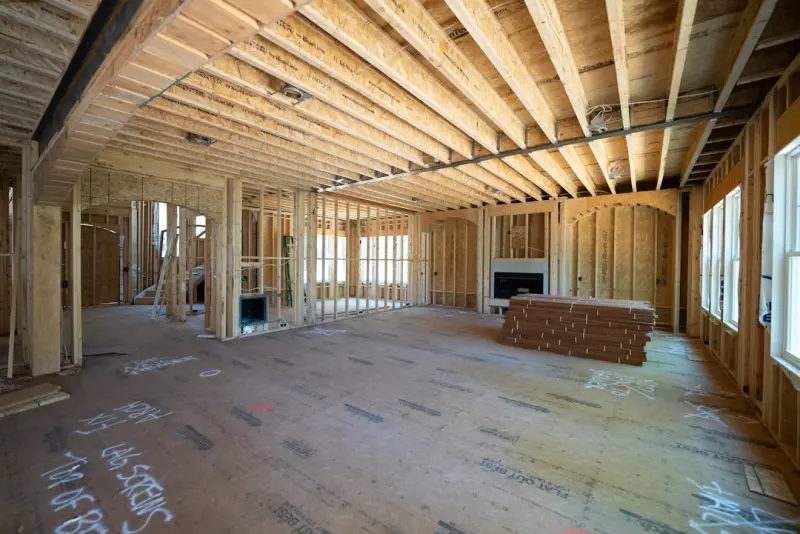
Creating a Multi‑Generational Home Addition That Works for Everyone
A multi‑generational home addition blends accessibility, flexibility, and smart design to keep families close while respecting privacy and modern work needs. ...Read More
0 Comments
Post Comment
You will need to Login or Register to comment on this post!