

Why an Awning Is the Unsung Hero of Modern Outdoor Living
Living in a climate where the sun can scorch a patio in minutes and rain can turn it into a swamp has taught me the value of a well‑chosen awning. I remember the first time I installed a simple canvas shade over my back deck; the instant drop in temperature felt like a revelation, and the reduction in my air‑conditioner’s runtime was measurable. Beyond comfort, an awning serves as a silent energy‑saving device, intercepting solar gain before it even reaches the glass, which in turn cuts cooling costs and eases the load on the HVAC system. The psychological benefit of a shaded, dry space also encourages more outdoor time, promoting mental wellness and family bonding. In my experience, the right awning transforms a neglected slab into a functional room, and it does so while quietly contributing to a more sustainable household.
Energy Savings and Climate Control: The Hard Numbers
When I started tracking utility bills after installing a retractable aluminum awning, the data spoke for itself: a consistent 12‑15% reduction in cooling energy during the hottest months. This isn’t magic; it’s physics. By shading windows and walls, an awning reduces solar heat gain, meaning your indoor thermostat can stay higher without sacrificing comfort. In addition, the reflected heat is kept away from roofing materials, prolonging their lifespan and further lowering maintenance costs. For homes equipped with solar panels, an awning can also improve panel efficiency by preventing heat buildup, a synergy often overlooked. The cumulative effect over a year can equate to several hundred dollars saved, money that can be redirected toward other green upgrades like high‑efficiency insulation or smart thermostats. The numbers make a compelling case that an awning is not a decorative afterthought but a strategic component of a low‑energy home.
Material Choices that Match Sustainability Goals
Choosing the right awning material is a balance between durability, aesthetics, and environmental impact. I gravitated toward recycled aluminum frames because they offer rust resistance, low maintenance, and a high recycled content, aligning perfectly with a sustainable mindset. Fabric options range from UV‑stabilized acrylics to solar‑reflective membranes; the latter not only prolongs fabric life but also reflects up to 90% of solar radiation, enhancing energy savings. Some manufacturers now offer bio‑based fabrics derived from plant fibers, reducing petroleum reliance while still providing water resistance. When selecting fabrics, look for the Oeko‑Tex certification, which guarantees that the material is free from harmful substances—a small but meaningful step toward indoor air quality. In my own backyard, I combined a reclaimed wood trim with a recycled‑aluminum arch, proving that eco‑friendly choices can also be visually striking.
Integrating Smart Technology for Seamless Operation
The true revolution in awning design lies in its ability to become part of a connected home ecosystem. My latest installation includes a motorized retractable system linked to a weather‑aware hub that automatically extends the shade when UV levels rise and retracts it at the first sign of rain. This kind of automation not only adds convenience but also maximizes energy efficiency by ensuring the awning is always optimally positioned. Voice assistants like Alexa or Google Home can trigger the awning with a simple command, and geofencing allows the system to respond to your arrival or departure. For those who love data, many smart awnings provide usage analytics, showing how often the shade is deployed and correlating that data with energy savings. By marrying traditional shading with modern IoT capabilities, an awning becomes a proactive participant in your home’s sustainability strategy.
DIY Installation vs. Professional Expertise: What to Consider
When I first contemplated a DIY awning, the allure of saving on labor costs was strong, yet the reality proved more complex. Proper mounting requires precise measurements, structural assessments, and secure anchoring to withstand wind loads—a misstep could lead to catastrophic failure. I consulted the Home Inspector’s Blueprint for Sustainable, Smart Living to understand load requirements and discovered that professional installers often use hidden reinforcement brackets that DIY kits lack. However, for smaller, lightweight fabric awnings, a well‑read manual and a sturdy ladder can suffice, provided you verify the roof’s bearing capacity. If your project involves motorized components or custom architectural integration, hiring a certified installer is advisable to ensure compliance with local building codes and warranty protection. The decision ultimately hinges on the awning’s size, material, and the complexity of the control system you intend to integrate.
Maintenance, Waterproofing, and Longevity
A well‑maintained awning can serve you for decades, but neglect turns it into a liability. Routine cleaning—removing dust and debris with a soft brush and mild soap—prevents mold growth and keeps the fabric’s UV‑blocking properties intact. For metal frames, a yearly inspection for corrosion and a touch‑up of protective coatings stave off rust, especially in coastal climates. Waterproofing is another critical aspect; a quality sealant applied to joints and seams repels water infiltration, preserving both the awning and the underlying structure. My go‑to resource for this is the Waterproofing Secrets guide, which outlines eco‑friendly sealants that don’t emit harmful VOCs. By incorporating a schedule of quarterly checks and addressing minor issues promptly, you ensure that your awning remains a reliable shield against the elements, extending its service life and maintaining its aesthetic appeal.
Design Harmony: Blending Awnings with Architectural Style
An awning should feel like an extension of your home’s architectural language, not a tacked‑on accessory. I learned this lesson while designing a modern farmhouse retreat, where I chose a sleek, low‑profile aluminum awning in a muted charcoal finish to complement the house’s clean lines and natural stone façade. For more traditional homes, a classic pergola with retractable canvas can echo historic details while still offering modern performance. Color selection matters, too; opting for hues that echo your roof or siding creates visual cohesion, whereas a bold accent can become a focal point for outdoor entertainment. Landscaping can further integrate the awning, using climbing vines or ornamental grasses that soften the structure without compromising its function. By thoughtfully aligning material, color, and form, an awning becomes a harmonious element that enhances curb appeal and reinforces the overall sustainability narrative of the property.
Taking the Next Step: Your Awning Journey Begins Today
If you’re ready to turn your patio into a year‑round sanctuary, start by evaluating your shading needs, climate patterns, and aesthetic goals. Explore the The Secret Power of Awnings article for in‑depth case studies and material guides that helped shape my own projects. Pair that knowledge with the actionable tips from Smart Home Hacks to integrate your new awning into a broader eco‑friendly strategy, from automated lighting to solar‑powered ventilation. Remember, an awning is more than shade; it’s a strategic investment in comfort, energy savings, and sustainable living that pays dividends for years to come. Take the plunge, consult with a trusted installer, and watch your outdoor space evolve into a resilient, inviting extension of your home.

William Roy is a freelance writer originally from Montreal who moved to Ottawa with his wife of 50 years to be closer to their grandkids. Alongside his writing, William has a passion for fishing.
Related Posts
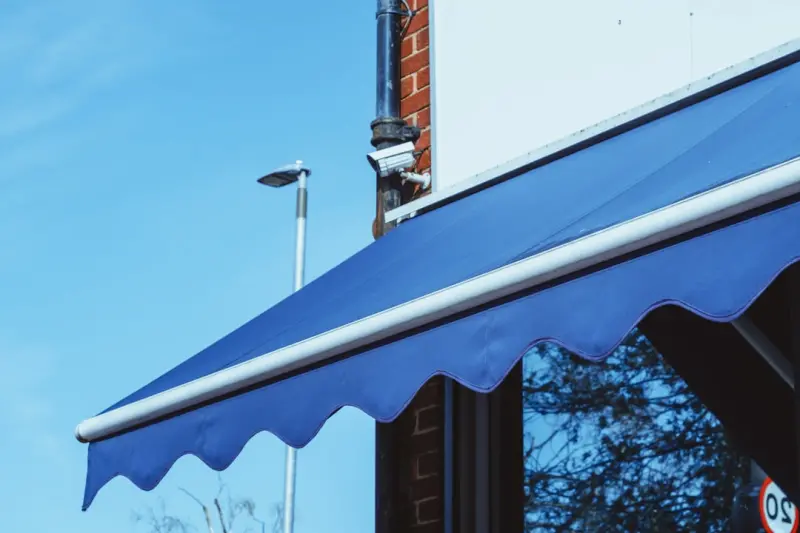
Smart Awnings: How Intelligent Shade is Redefining Outdoor Living
Explore the rise of smart awnings—IoT‑enabled, solar‑powered shade solutions that transform ou... Read More
Awning Innovation: Turning Shade into Strategic Asset
A modern awning is more than a shade—it's a high‑tech, sustainable platform that reduces cooling... Read More

Shade and Strategy: Unleashing the Hidden Power of Modern Awnings
Explore the unexpected advantages of modern awnings, from psychological comfort and energy savings t... Read More
Top Posts

Waterproofing as a Strategic Asset: Data‑Driven Protection for Modern Facilities
Explore how integrating moisture sensors, AI analytics, and modular barrier systems transforms waterproofing from a reactive task into a proactive, revenue‑pr...Read More

From Parking Space to Profit Engine: Reimagining Garage Construction for the E‑Commerce Era
A garage can be more than a car shelter; it can serve as a micro‑distribution hub, workshop, and showroom. Learn design strategies, ROI insights, and futureâ€...Read More
Adaptive Closets: Turning Static Storage into a Responsive Workspace Hub
Discover a practical, data‑driven approach to redesigning closets and storage zones, focusing on modular flexibility, ergonomic design, and future‑proof con...Read More

The Importance of Sustainable Lawn Care Practices
Sustainable lawn care practices are essential for promoting a healthy and resilient lawn while protecting the environment. Learn how to adopt sustainable lawn c...Read More
0 Comments
Post Comment
You will need to Login or Register to comment on this post!