
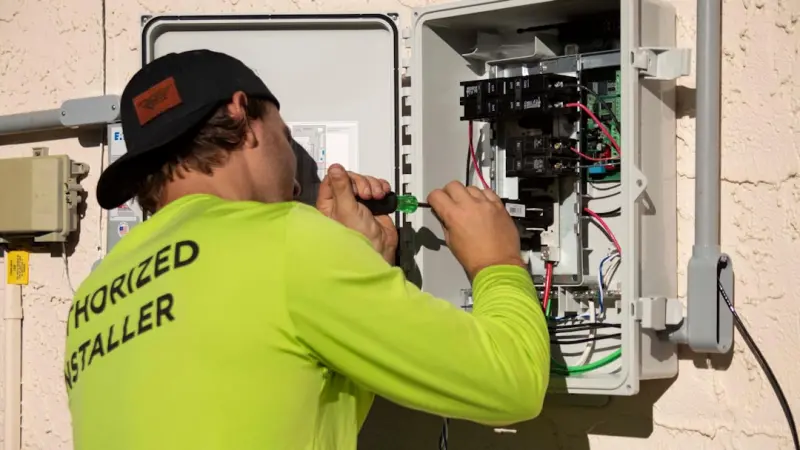
When I first walked through a sprawling corporate campus with a handheld thermal camera dangling from my neck, I felt more like a detective than an engineer. The walls whispered stories—heat seepage behind drywall, HVAC ducts that were practically breathing fire, and a roof that was quietly siphoning energy like a leaky bucket. Those moments taught me that an energy inspection isn’t just a checkbox on a compliance list; it’s a strategic conversation starter that can reshape a company’s bottom line, its brand promise, and its future‑proofing roadmap.
Why Energy Inspection Deserves a Seat at the Executive Table
Too often, facility managers treat energy audits as a technical exercise reserved for the “green team.” In reality, the data uncovered during an inspection can surface hidden cost drivers, reveal compliance gaps, and even highlight opportunities for new revenue streams. When the CFO sees a clear, quantified pathway from a few hundred thousand dollars of waste to a comparable boost in EBITDA, the conversation shifts from “nice‑to‑have” to “must‑do.”
Here are three business‑centric reasons to elevate energy inspection from the basement to the boardroom:
- Financial Visibility: Precise measurements of thermal loss, equipment inefficiency, and power quality issues translate directly into dollar amounts. This clarity makes capital allocation decisions far less speculative.
- Risk Mitigation: Energy‑related failures—overheated transformers, failing insulation, or mis‑rated lighting—are also safety hazards. Early detection protects both personnel and the company’s insurance profile.
- Brand Differentiation: Stakeholders—from investors to customers—are demanding transparent sustainability performance. An audited, verified energy baseline becomes a credible story in ESG disclosures.
From Thermography to a Holistic Energy Narrative
Traditional energy inspections often relied on a single tool—usually a handheld infrared camera—to spot hot spots. While thermography remains indispensable, a modern inspection blends multiple data sources:
- Real‑time IoT Sensors: These devices monitor temperature, humidity, voltage, and current at granular intervals, feeding a continuous stream of data into a centralized dashboard.
- Building Management System (BMS) Analytics: By correlating sensor inputs with HVAC schedules, occupancy patterns, and weather forecasts, the BMS can pinpoint anomalies that a static scan would miss.
- Utility Bill Forensics: Deep‑dive analysis of meter data uncovers hidden demand charges, power factor penalties, and time‑of‑use mismatches.
When you stitch these threads together, you’re not just spotting a leaky pipe; you’re crafting a narrative that explains why a particular floor consumes 30% more energy than the rest of the building and how that variance can be corrected.
Integrating Energy Inspection with Ongoing Operations
One common pitfall is treating an inspection as a one‑off event. The real power lies in making the inspection a recurring, data‑driven process. Here’s a practical framework:
- Baseline Establishment: Conduct a comprehensive audit during low‑occupancy periods to set a clean baseline.
- Quarterly Spot Checks: Deploy mobile thermography units and sensor audits every three months to catch drift.
- Annual Deep Dive: Combine on‑site inspection with a full review of BMS logs, utility bills, and maintenance records.
- Feedback Loop: Feed findings back into the maintenance schedule, capital planning, and ESG reporting cycles.
This cadence ensures that energy performance becomes a living metric, not a historical footnote.
Leveraging Technology: From Data Capture to Actionable Insights
Imagine a platform where every thermal image, sensor reading, and meter entry auto‑tags itself with location, equipment type, and severity level. That’s the promise of the next generation of inspection software. The platform can then:
- Prioritize issues based on ROI calculations.
- Assign remediation tasks directly to the appropriate trade (electrical, mechanical, envelope).
- Track remediation progress in real time, updating the energy model as work is completed.
- Generate ESG‑ready reports for stakeholders with a single click.
Companies that have embraced this integrated approach report average energy savings of 12‑18% within the first year, plus a measurable uptick in occupant satisfaction scores.
Case Study: Turning a Leaky Roof into a Revenue Generator
One of my recent projects involved a regional distribution center with a notoriously hot roof section. The thermal scan revealed a thin, weathered membrane that allowed solar heat to penetrate, forcing the HVAC system to work overtime during summer peaks. The inspection team recommended a building‑integrated photovoltaic retrofit—not just a fix, but a transformation.
By replacing the membrane with a thin‑film solar skin, the client achieved three outcomes:
- Reduced roof‑absorbed heat, slashing cooling loads by 8%.
- Generated on‑site electricity that offset peak demand charges.
- Earned renewable energy credits that could be sold to offset other operational costs.
The ROI calculation, powered by the same data that identified the hot spot, projected a payback period of just under four years—well within the company’s capital planning horizon.
Connecting Energy Inspection to Predictive Maintenance
While we’re focusing on the inspection itself, there’s a natural bridge to a broader maintenance philosophy. The same sensor data that flags a hot duct can also predict when that duct’s fan motor will fail. By aligning inspection findings with a smart maintenance analytics framework, facilities can transition from reactive fixes to proactive optimization.
This synergy creates a virtuous cycle: the inspection uncovers inefficiencies, the analytics forecast failures, and the maintenance team acts before the inefficiency becomes a costly breakdown.
Human Factors: Training, Culture, and Communication
Technology is only as effective as the people who wield it. To embed energy inspection into the corporate DNA, consider these cultural levers:
- Cross‑Functional Workshops: Bring together facilities, finance, and sustainability teams to interpret inspection data together.
- Gamified Reporting: Use dashboards that reward teams for meeting energy reduction milestones.
- Continuous Learning: Offer certifications for staff on thermography, sensor calibration, and data interpretation.
When employees understand the “why” behind an inspection, they’re more likely to champion the resulting actions.
Regulatory Landscape and Incentives
Many jurisdictions now tie building permits and tax incentives to demonstrated energy performance. A thorough inspection can serve as the documented evidence needed to claim:
- Energy‑efficiency rebates for upgraded lighting or insulation.
- Demand‑response program credits for load‑shifting capabilities.
- Compliance with emerging net‑zero building codes.
Staying ahead of regulatory shifts not only avoids penalties but also positions the organization as a leader in responsible stewardship.
Future Outlook: The Role of AI and Edge Computing
Looking ahead, artificial intelligence will amplify the value of every inspection. Edge devices equipped with AI can autonomously flag anomalies as they happen, prompting instant alerts on smartphones or wearables. Over time, these AI models will learn the unique “energy fingerprint” of each building, making false positives rarer and the precision of recommendations sharper.
While we’re still early in the adoption curve, pilot programs are already showing that AI‑augmented inspections can reduce manual analysis time by up to 60% and improve fault detection accuracy by 25%.
Getting Started: A Practical Checklist for Leaders
If you’re ready to bring energy inspection from the shadows into the spotlight, use this quick‑start checklist:
- Define Objectives: Are you chasing cost savings, ESG compliance, or both?
- Select Tools: Choose a thermal camera, install IoT sensors, and integrate with your BMS.
- Assemble the Team: Include facilities, finance, sustainability, and IT.
- Schedule Baseline Audit: Conduct a comprehensive inspection during a low‑usage period.
- Develop Action Plan: Prioritize findings based on ROI and risk.
- Implement and Track: Execute remediation, monitor metrics, and adjust as needed.
- Report and Communicate: Translate technical results into business language for stakeholders.
Remember, the goal isn’t just to reduce kilowatt‑hours; it’s to translate those kilowatts into tangible business outcomes—lower operating costs, stronger brand equity, and a resilient, future‑ready infrastructure.
Conclusion: Inspection as a Growth Engine
Energy inspection is no longer a peripheral task; it’s a catalyst for strategic advantage. By marrying cutting‑edge technology with disciplined processes and a culture that values data, organizations can turn every thermal anomaly into an opportunity for savings, safety, and sustainability. The next time you hear the hum of a chiller or feel the warmth radiating from a wall, remember that behind that sensation lies a story waiting to be told—and a profit waiting to be unlocked.

Tom Ferguson is a Canadian freelance writer with a passion for storytelling, current events, and thoughtful commentary. Drawing on years of writing experience, he shares engaging insights on a wide range of topics, bringing a uniquely Canadian perspective to his work.
Related Posts

Energy Inspection as a Competitive Advantage: Turning Data into Dollars
Energy inspection is evolving from a compliance task into a powerful, data‑driven strategy that re... Read More

Unlocking Energy Efficiency: The Critical Role of Energy Inspections in Modern Homes
Energy inspections play a vital role in ensuring that your home is energy-efficient, comfortable, an... Read More

From Heat Maps to Digital Twins: The Next Evolution in Energy Inspection
A deep dive into how sensor‑rich envelopes, digital twins, AI, and drone thermography are reshapin... Read More
Top Posts

Everyday Tools That Turn Small Repairs into Big Savings
Learn how a well‑stocked toolbox, smart diagnosis, and easy repair tricks can turn everyday home issues into cost‑saving victories....Read More

Redefining Fencing: Sustainable Materials, Smart Design, and Lasting Impact
Discover how to craft a fence that’s more than a barrier—using reclaimed materials, hybrid designs, and smart tech to boost privacy, aesthetics, and durabil...Read More

The Quiet Guardians: Why Proactive Tree Care Is Essential for Every Property
A seasoned arborist explains the hidden economics and functional benefits of proactive tree care, offering a practical framework for property managers to protec...Read More

Embracing Sustainable DIY Home Repairs for a Greener Tomorrow
Make a positive impact on the environment by embracing sustainable DIY home repairs. Learn how to choose eco-friendly materials, energy-efficient solutions, and...Read More
0 Comments
Post Comment
You will need to Login or Register to comment on this post!