
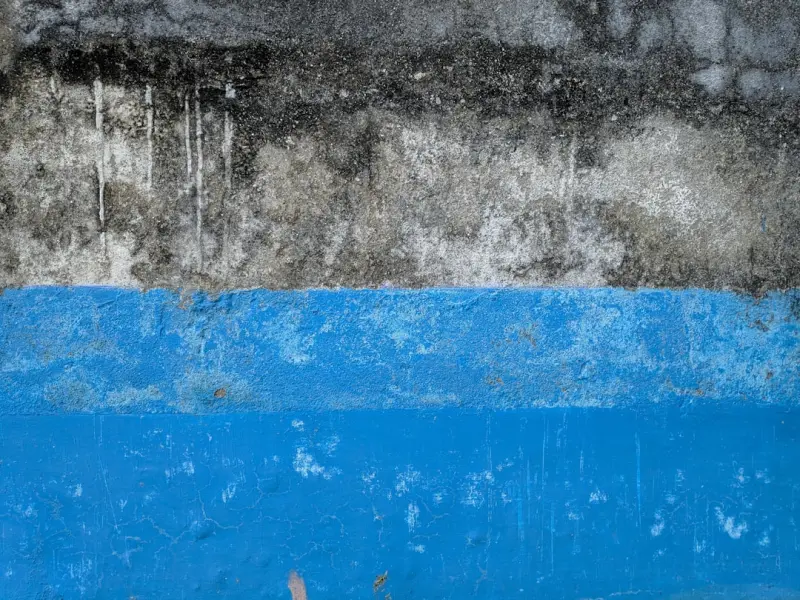
Why Waterproofing Should Be Your First Line of Defense Against Climate Volatility
When I first walked the floor of a downtown office tower during a summer rainstorm, the ceiling above the conference room started to leak. The drip‑drip‑drip of water was more than a nuisance; it was a warning sign that the building’s envelope was no longer keeping pace with the climate reality we’re living in. That moment sparked a personal mission: to treat waterproofing not as a finishing touch, but as a strategic, proactive shield that protects assets, occupants, and the bottom line.
The Hidden Costs of Ignoring Moisture Management
Most facility managers think of waterproofing as a budget line item that can be deferred until the next capital‑expenditure cycle. What they don’t realize is that water intrusion silently erodes the value of a property in three critical ways:
- Structural Degradation: Moisture seeping into concrete and steel accelerates corrosion, leading to costly repairs that could have been avoided with a well‑engineered membrane system.
- Indoor Air Quality Decline: Persistent dampness fosters mold growth, which not only triggers health complaints but also jeopardizes compliance with occupational health regulations.
- Operational Disruption: Water damage forces unexpected shutdowns, disrupting business continuity and eroding tenant confidence.
When you add the compounded effect of these issues over a ten‑year horizon, the financial impact can rival that of a major capital project.
Waterproofing as Climate Adaptation, Not Just a Construction Detail
In the age of climate‑responsive design, waterproofing deserves a seat at the table alongside daylight harvesting and energy‑efficient HVAC. It’s a foundational element of resilience engineering—the practice of designing spaces that can absorb, recover, and thrive amid extreme weather events.
Here’s how to reframe waterproofing from a reactive repair job into a forward‑thinking adaptation strategy:
1. Conduct a Climate‑Risk Audit
Start by mapping the site’s exposure to rain intensity, floodplain proximity, and wind‑driven rain patterns. Many municipalities now provide granular climate data that can be layered onto building information models (BIM). The audit should answer questions like:
- What is the 100‑year design storm for this location?
- Are there historical records of roof ponding or basement seepage?
- How will projected sea‑level rise affect the building’s low‑lying zones?
2. Choose Adaptive Membrane Systems
Traditional asphalt‑based membranes are reaching the end of their service life under increasing moisture loads. Today’s market offers hybrid systems that combine polymeric sheets with self‑healing elastomers. These materials stretch and close micro‑cracks automatically, extending service intervals and reducing maintenance spend.
3. Integrate Waterproofing with Sensor Networks
Imagine a wall that not only repels water but also Predictive Carpet Care systems can talk to. By embedding moisture sensors within the waterproofing layers, facilities gain real‑time alerts before a leak becomes visible. This data feeds into predictive maintenance platforms, allowing teams to schedule interventions during planned downtimes instead of reacting to emergencies.
4. Leverage Exterior Shading as a Moisture Buffer
Strategic shading isn’t just about reducing solar gain; it can also deflect rain away from vulnerable façade joints. Modern awning technologies, highlighted in Shade as a Strategic Lever, incorporate angled panels and drainage channels that guide water toward the building’s drainage system, reducing the load on waterproof membranes.
5. Align with Sustainability Goals
Waterproofing contributes to green building certifications by preventing water waste, preserving indoor air quality, and extending material lifespans. When you combine a high‑performance membrane with low‑VOC sealants, you reduce the building’s overall environmental footprint—a win for both ESG reporting and tenant satisfaction.
Case Study: Turning a Leaky Basement Into a Resilient Asset
One of my recent projects involved a 30‑year‑old office complex plagued by chronic basement flooding after heavy rains. The initial fix was a series of interior sump pumps, but the pumps failed to keep up during a three‑day storm, leading to costly downtime.
We took a different approach:
- Performed a comprehensive climate‑risk audit that revealed the building sat just above a newly re‑charted floodplain.
- Removed the failing interior waterproofing and installed an exterior, self‑healing polymer membrane that extended up the foundation walls.
- Integrated a network of IoT moisture sensors that linked to the facility’s building management system, providing early‑warning alerts to the operations team.
- Added a series of sloped, perforated awnings (see Shade as a Strategic Lever) to divert runoff away from the foundation.
The result? No water intrusion during the next two severe storm events, a 40% reduction in maintenance labor, and a measurable boost in tenant satisfaction scores. The project also unlocked eligibility for a resilience grant, offsetting 30% of the upfront waterproofing investment.
Future‑Proofing Your Portfolio: A Checklist
To embed waterproofing into your long‑term asset strategy, use this practical checklist:
- Risk Mapping: Update your flood and rainfall exposure maps annually.
- Material Review: Replace aging membranes with adaptive, self‑healing alternatives.
- Sensor Deployment: Install moisture detection points at critical junctions (roof‑wall intersections, slab‑on‑grade edges, and below‑grade walls).
- Integration: Link sensor data to your existing predictive maintenance platform—consider the synergy with modern plumbing analytics.
- Maintenance Planning: Schedule membrane inspections during low‑occupancy periods to minimize disruption.
- Documentation: Keep a digital log of all waterproofing interventions, sensor alerts, and repair actions for compliance and audit trails.
Bridging the Gap Between Facilities Teams and Executive Leadership
One of the biggest challenges I’ve faced is translating the technical language of waterproofing into the strategic language executives understand. The key is to frame moisture management in terms of risk mitigation, cost avoidance, and brand reputation.
Use these talking points:
- Risk Reduction: Quantify potential loss from water damage versus the investment in a high‑performance membrane.
- Operational Continuity: Highlight how sensor‑driven early detection prevents unplanned downtime.
- Brand Trust: Explain that a leak‑free environment strengthens tenant loyalty and attracts premium occupants.
- Sustainability Alignment: Show how waterproofing supports ESG goals and can contribute to certification points.
Conclusion: Make Waterproofing Your Strategic Advantage
Waterproofing is no longer a line‑item to be shelved until the next roof replacement. It’s a dynamic, technology‑enabled discipline that can safeguard your assets against an increasingly volatile climate, improve indoor health, and drive operational efficiencies. By treating it as a core component of resilience planning, you turn a potential liability into a competitive advantage.
When you approach waterproofing with the same rigor you apply to energy modeling or space planning, you’ll discover that the walls that keep water out also keep value in.

Tom Ferguson is a Canadian freelance writer with a passion for storytelling, current events, and thoughtful commentary. Drawing on years of writing experience, he shares engaging insights on a wide range of topics, bringing a uniquely Canadian perspective to his work.
Related Posts

Beyond the Surface: Next‑Gen Waterproofing Redefines Commercial Resilience
Traditional waterproofing can’t keep up with today’s climate challenges. Learn how next‑genera... Read More
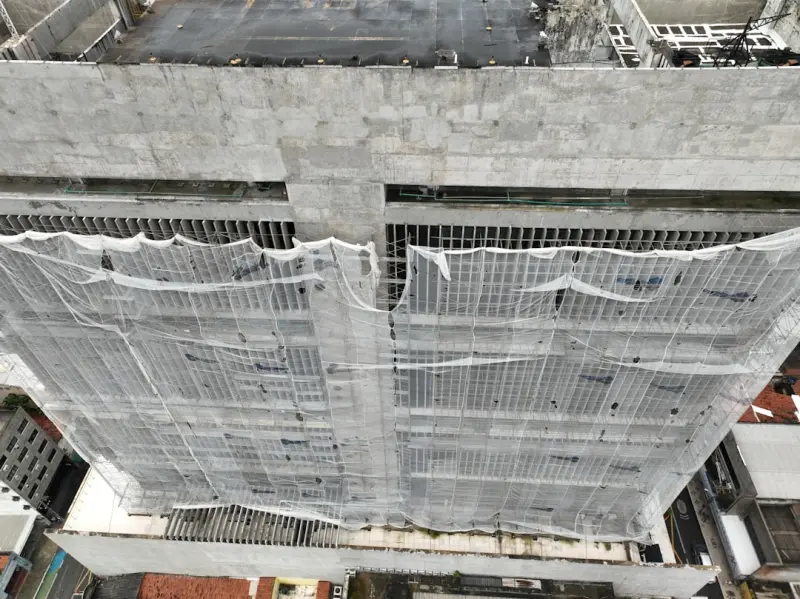
Waterproofing: The Quiet Engine of High‑Performance Buildings
A deep dive into why proactive, tech‑enabled waterproofing is a hidden profit driver, covering ROI... Read More
Waterproofing the Future: IoT, Data, and Sustainable Practices
A deep dive into how real‑time moisture monitoring, predictive analytics, and sustainable waterpro... Read More
Top Posts

The Green Home Inspection: A Comprehensive Guide to Sustainable Living
A green home inspection is crucial for identifying areas where your home can be more sustainable. Learn how to create a healthier, more eco-friendly living envi...Read More
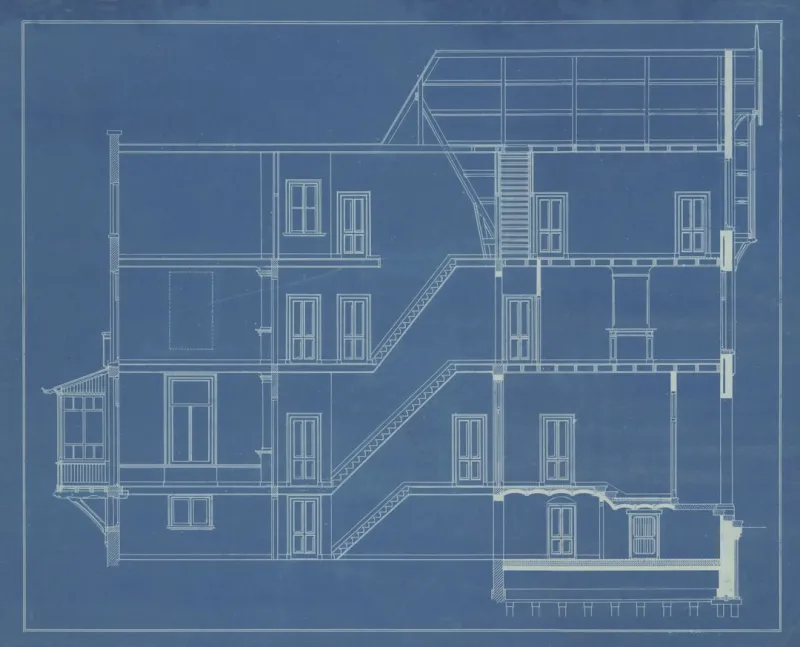
When Foundations Crumble: A Veteran Contractor’s Blueprint for Sustainable Repairs
A seasoned contractor reveals how to diagnose, stabilize, and sustainably repair foundation problems, turning costly cracks into long‑lasting, green solutions...Read More

The Rise of Sustainable General Contracting: A New Era for Builders and Homeowners
Sustainable general contracting is on the rise, driven by growing concerns about climate change, energy efficiency, and environmental sustainability. Learn how ...Read More
Rethinking Home Security: A Human‑Centric, Smart Alarm Blueprint
A fresh look at home alarms: integrating smart tech, privacy safeguards, and family‑focused routines to turn protection into a seamless, everyday experience....Read More
0 Comments
Post Comment
You will need to Login or Register to comment on this post!