

Why Traditional Waterproofing No Longer Cuts It
When you think about waterproofing, the mental image is often a rubber sheet slapped under a basement floor or a coat of tar on a roof. That mental model served us well for a generation, but the climate calculus has changed dramatically. Increased precipitation intensity, rising groundwater tables, and the growing prevalence of mixed‑use high‑rises mean that a one‑size‑fits‑all membrane is now a liability, not a safeguard. Companies that cling to legacy systems are watching water seep into critical infrastructure, triggering costly downtime, equipment failure, and brand damage.
The New Threat Landscape
It isn’t just rain anymore. In many regions, storm‑surge‑induced flooding is becoming a regular occurrence, and indoor humidity spikes are no longer confined to summer months. For data centers, manufacturing plants, and commercial office towers, water intrusion can mean lost data, halted production lines, and safety hazards. The stakes are higher because the assets behind those walls are far more valuable than a single residential basement.
Enter Next‑Gen Waterproofing: Materials That Think
The frontier of waterproofing is now a marriage between material science and digital intelligence. Modern membranes incorporate self‑healing polymers that close micro‑cracks when exposed to moisture, while embedded nanoclay particles create a labyrinthine barrier that repels water on a molecular level. These technologies are not just buzzwords; they have been validated in offshore wind farms where structures endure relentless wave impact.
Nanotechnology: A Game Changer
Nanoclay and graphene‑based additives increase tensile strength and reduce permeability without adding bulk. The result is a lightweight coating that can be applied to existing façades without overloading structural loads. Moreover, because the coating’s performance is maintained at temperatures ranging from -30°C to +60°C, it remains effective in both arctic warehouses and desert‑side office complexes.
Smart Sensors Meet Waterproof Membranes
Integrating smart sensor‑enabled roof monitoring with waterproofing creates a proactive defense. Sensors detect moisture ingress, temperature fluctuations, and pressure changes in real time, feeding data into a building management system (BMS). When the system notices an anomaly—say, a sudden rise in humidity behind a wall—it can trigger an automated alert, dispatch a maintenance crew, or even activate a localized drying cycle.
Thermal Imaging as a Validation Tool
Before committing to a full‑scale retrofit, property managers can leverage thermal imaging to map hidden moisture pathways. Thermal cameras reveal temperature differentials caused by water accumulation, allowing teams to pinpoint weak spots and prioritize treatment zones. This data‑driven approach cuts unnecessary labor and ensures the most vulnerable areas get addressed first.
Designing for Resilience: The Waterproofing‑First Philosophy
Traditionally, waterproofing was an afterthought—tacked on after structural and aesthetic decisions were finalized. The new paradigm flips that script: architects now collaborate with waterproofing engineers from concept stages. This shift enables the integration of waterproofing layers directly into the building envelope, reducing seams and joints where leaks typically form. It also aligns with sustainability goals, as fewer retrofits mean less material waste.
- Continuous Membrane Systems: Seamless sheets that run from foundation to roof, eliminating hand‑over‑hand joints.
- Hybrid Barriers: Combining liquid‑applied coatings with sheet membranes for complex geometries.
- Ventilated Cavity Design: Allows trapped moisture to escape, preventing mold growth.
Economic Incentives: ROI in the Age of Accountability
While the upfront cost of advanced waterproofing solutions can be higher, the return on investment is measurable. Reduced downtime, lower insurance premiums, and extended asset lifespans combine to deliver a compelling financial case. A recent study of commercial properties that adopted nanotech membranes reported a 30% decrease in water‑related maintenance expenses within the first three years.
Implementation Checklist for Facility Managers
To transition from legacy to next‑gen waterproofing, follow this pragmatic roadmap:
- Audit Existing Conditions: Use thermal imaging and moisture sensors to create a baseline.
- Define Critical Zones: Prioritize data halls, electrical rooms, and loading docks.
- Select Compatible Materials: Choose membranes that meet fire rating and load‑bearing criteria.
- Integrate Sensors: Deploy moisture and pressure sensors that sync with the BMS.
- Plan Phased Application: Schedule work during low‑occupancy periods to minimize disruption.
- Validate Post‑Installation: Conduct a second round of thermal scans to verify seal integrity.
- Set Up Ongoing Monitoring: Establish thresholds and alerts within the BMS for early detection.
Case Study: A Mid‑Rise Office Tower Beats the Flood
When a coastal city experienced a once‑in‑a‑century storm, a 15‑story office building equipped with nanoclay‑infused membranes and sensor‑linked BMS emerged unscathed. While neighboring structures suffered water damage and costly repairs, the tower’s water ingress sensors triggered an automatic sealant deployment system within minutes of detecting moisture. Post‑storm assessments showed zero structural compromise and a 95% reduction in cleanup costs compared to baseline.
Future Outlook: From Waterproofing to Water‑Smart Buildings
Looking ahead, the line between waterproofing and water management will blur. Imagine façades that not only repel water but also harvest rainwater for reuse, or membranes that adjust permeability based on real‑time weather forecasts. The integration of AI-driven predictive models will enable buildings to anticipate storm events and pre‑emptively reinforce vulnerable sections. In this ecosystem, waterproofing is no longer a static barrier but a dynamic participant in a building’s environmental strategy.
Takeaway
The era of passive waterproofing is over. To safeguard high‑value assets and meet the rising expectations of sustainability and resilience, businesses must adopt intelligent, material‑advanced solutions. By embedding sensors, leveraging nanotech, and redesigning the building envelope from the ground up, organizations can turn water from a threat into a managed variable—ensuring continuity, protecting investments, and future‑proofing their operations.

Paul Gray is a dynamic blogger based in Brampton, where he shares his life with his amazing wife, Sarah. Known for his engaging writing style and relatable insights, Paul has carved out a niche in the blogging world that resonates with readers from all walks of life. When he's not crafting captivating posts, you can find him savoring a cold beer or indulging in the latest blockbuster movie. With a friendly demeanor and a passion for storytelling, Paul brings a unique perspective to his work, making him not just a blogger, but a voice for those who appreciate the simple joys of life.
Related Posts
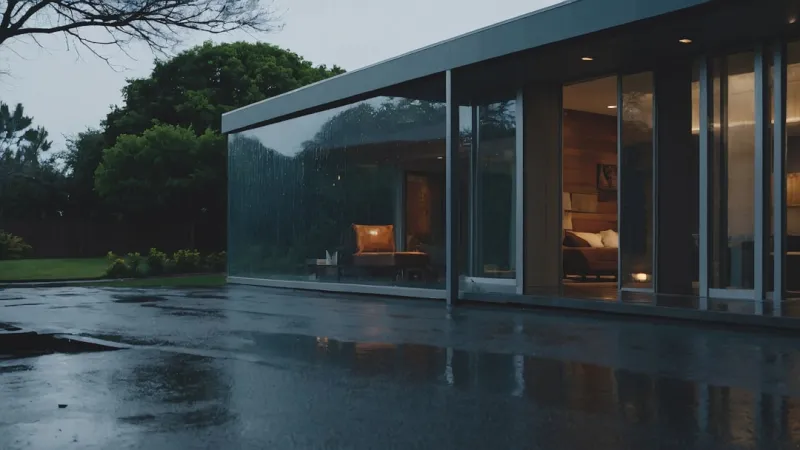
Waterproofing Trends: How to Keep Your Home Dry and Sustainable
Explore cutting‑edge waterproofing solutions that safeguard your home, boost sustainability, and p... Read More

Waterproofing Secrets for the Modern Sustainable Home
Learn how to protect your sustainable home with smart waterproofing methods, eco‑friendly material... Read More
Waterproofing as a Service: Subscription Models Redefining Property Resilience
A deep dive into why waterproofing is shifting from a one‑time capital project to a subscription s... Read More
Top Posts
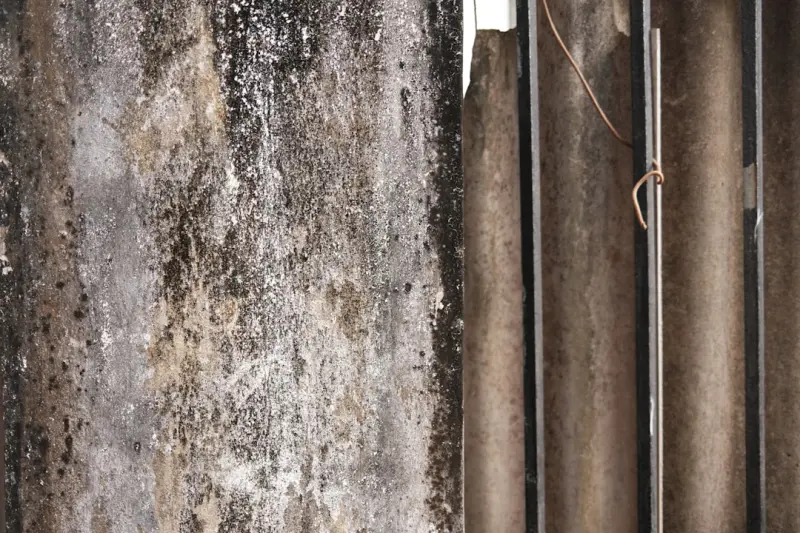
Mold Removal for Renters: A Practical Guide to Spot, Stop, and Safeguard Your Space
A renter’s step‑by‑step guide to spotting mold, safely removing it, and preventing future growth—plus legal tips and budget‑friendly tools....Read More
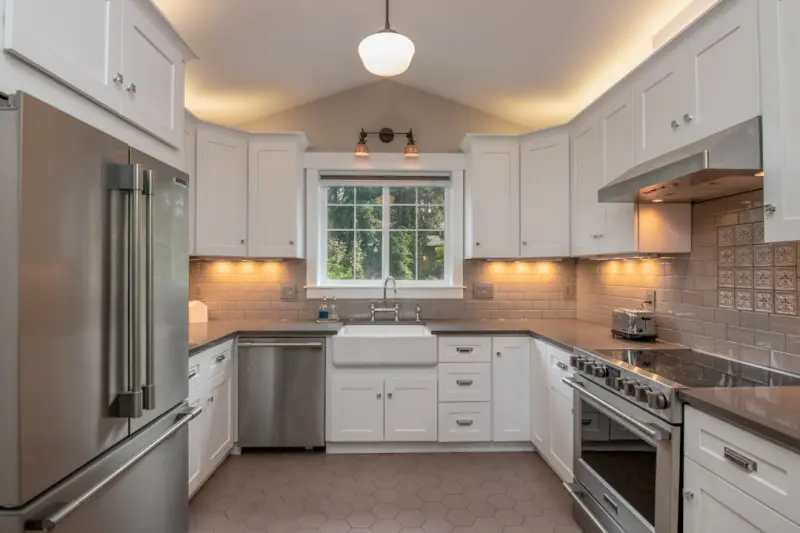
Reimagining Kitchen Renovations: The Rise of Modular, Zero‑Waste Design
A deep dive into how modular construction and zero‑waste materials are redefining kitchen renovations, offering homeowners lasting flexibility, reduced waste,...Read More
Elevating Business Interiors with High‑Performance Drywall
Modern drywall goes beyond a simple partition, offering acoustic mastery, sustainability, fire safety, and built‑in data pathways that turn walls into strateg...Read More

From Storage to Sanctuary: Reimagining Your Backyard Shed
Explore fresh ideas to transform an ordinary shed into a functional, inviting space—whether a home office, art studio, or cozy retreat—using clever design, ...Read More
0 Comments
Post Comment
You will need to Login or Register to comment on this post!