
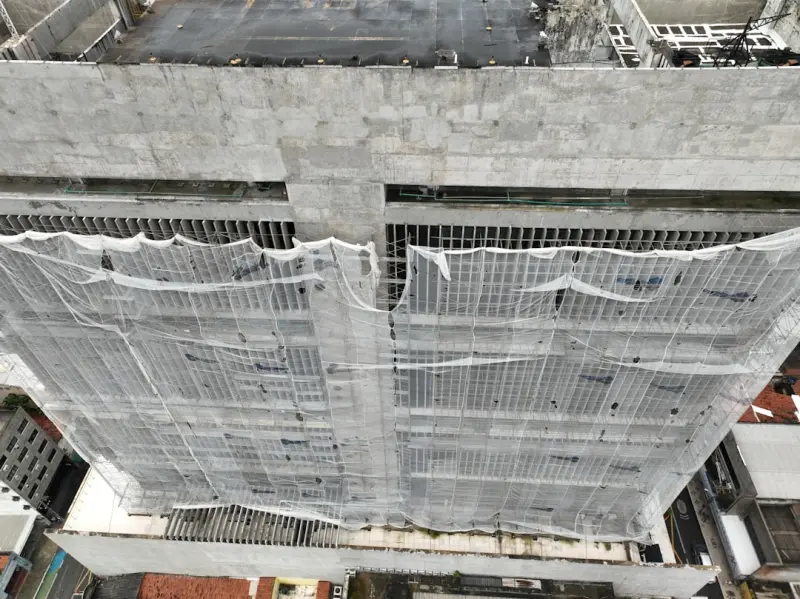
Understanding the True Cost of Moisture
When most people think about waterproofing, they picture a contractor slathering a rubberized coating on a roof or a basement wall. The image is functional, but it misses the deeper economic reality: moisture is a silent profit‑eater. Water that seeps into a building envelope doesn’t just cause cosmetic damage; it compromises structural integrity, drives up heating and cooling loads, and creates conditions where mold, rot, and corrosion thrive. Those hidden costs compound over time, eroding the bottom line before anyone even notices a drip.
My own journey into the world of waterproofing began on a job site where a seemingly minor leak in a commercial façade resulted in a cascade of unexpected expenses—replacing insulation, re‑certifying fire barriers, and addressing a sudden rise in indoor humidity that affected sensitive equipment. That experience taught me that the real ROI of waterproofing isn’t measured in square feet covered; it’s measured in avoided downtime, preserved asset value, and the health of the people who occupy the space.
The Business Case for Proactive Waterproofing
Imagine two identical office towers. Tower A invests in a high‑performance waterproofing membrane, continuous drainage design, and regular moisture monitoring. Tower B skims on the initial cost, opting for a budget‑grade sealant and a “fix‑it‑later” maintenance plan. Over a five‑year horizon, the differences become stark:
- Energy Efficiency – A dry building envelope reduces thermal bridging, allowing HVAC systems to run at lower capacity. Studies show that a 10% reduction in moisture infiltration can shave 5–8% off annual energy bills.
- Asset Longevity – Moisture accelerates concrete carbonation, steel corrosion, and wood rot. By keeping the envelope dry, you extend the service life of structural components, deferring costly capital replacements.
- Occupant Health & Productivity – Damp environments are breeding grounds for mold and dust mites. The resulting indoor‑air‑quality issues can trigger sick‑building complaints, absenteeism, and even liability exposure.
- Insurance & Liability – Many insurers offer premium discounts for buildings that demonstrate proactive moisture management, recognizing the lower risk of catastrophic failures.
When you stack these benefits, the net present value of a robust waterproofing strategy often exceeds the initial outlay within three to four years. That’s why I frame waterproofing not as a cost center but as a revenue‑preserving investment.
Tech‑Enabled Waterproofing: Sensors, Data, and Predictive Care
Waterproofing has entered the digital age. Moisture sensors embedded in concrete slabs, wall cavities, and roof decks now transmit real‑time data to cloud platforms. This shift transforms a once‑reactive trade into a predictive service. A sudden spike in relative humidity can trigger an automated alert, prompting a site visit before a small seep becomes a structural breach.
Integrating these data streams with building‑management systems creates a feedback loop: the HVAC system can modulate humidity, while maintenance teams can schedule inspections based on risk scoring. The result is a “dry envelope” that actively protects itself.
For those looking to explore this frontier, a practical first step is to audit existing moisture‑sensing infrastructure and identify gaps. Even a single well‑placed sensor can reveal hidden infiltration pathways that traditional visual inspections miss.
Sustainable Membranes and Circular Strategies
Traditional waterproofing materials—bitumen, PVC, and sheet membranes—have served the industry well, but they come with environmental baggage. The push toward a circular economy is reshaping how we think about protective barriers.
Modern alternatives include:
- Recycled‑content polyurethane – Produced from post‑consumer plastics, these membranes retain the elasticity of conventional options while diverting waste from landfills.
- Bio‑based elastomers – Derived from plant oils, they offer comparable durability with a lower carbon footprint.
- Self‑healing coatings – Embedded microcapsules release sealant agents when a crack forms, extending service life without manual intervention.
Adopting these materials aligns waterproofing with broader ESG goals. Moreover, because many of these products are designed for disassembly, they fit neatly into a design‑build circular economy workflow, where the membrane can be reclaimed and repurposed at the end of a building’s lifecycle.
Integrating Waterproofing Into Your Asset Management Playbook
Most facility managers treat waterproofing as a line item in the maintenance budget, isolated from other asset‑management activities. This siloed approach undermines potential synergies. Consider the following integration points:
- Lifecycle Cost Modeling – Include waterproofing durability and expected replacement intervals in the overall asset model, alongside HVAC, lighting, and structural components.
- Condition‑Based Maintenance – Leverage moisture sensor data to transition from calendar‑driven inspections to condition‑based work orders.
- Risk‑Adjusted Capital Planning – Quantify the financial impact of moisture‑related failures (downtime, remediation, tenant turnover) and prioritize waterproofing upgrades accordingly.
By embedding waterproofing into the same decision‑making framework used for other critical systems, you create a holistic view of building health that drives smarter capital allocation.
Getting Started: A Pragmatic Roadmap
For executives and facility leaders ready to elevate their waterproofing strategy, here’s a step‑by‑step playbook:
- Baseline Assessment – Conduct a comprehensive envelope audit, documenting existing waterproofing systems, known leak points, and historical moisture incidents.
- Data Integration – Deploy moisture sensors in high‑risk zones (basements, roof decks, exterior wall penetrations) and connect them to a centralized dashboard.
- Material Selection – Choose waterproofing products that meet performance criteria while aligning with sustainability goals. Consider recycled or bio‑based options where feasible.
- Design Review – Ensure that drainage planes, flashing details, and detailing around penetrations follow best‑practice specifications. A well‑designed envelope reduces reliance on “after‑the‑fact” fixes.
- Implementation & Training – Work with contractors who understand both the material science and the data ecosystem. Provide on‑site training for maintenance crews on sensor interpretation.
- Continuous Optimization – Review sensor data quarterly, adjust HVAC humidity setpoints, and schedule targeted inspections based on risk scores.
Remember, the goal isn’t a one‑time seal; it’s an ongoing, data‑informed stewardship of the building envelope.
Beyond the Building: The Ripple Effect of Dry Spaces
Dryness isn’t just a technical requirement—it’s a catalyst for broader outcomes. A moisture‑free environment supports:
- Improved Indoor Air Quality – Reducing mold spores and volatile organic compounds, which can boost occupant satisfaction and reduce health‑related claims.
- Higher Property Valuation – Prospective buyers and tenants often assess building condition via recent maintenance records; a clean waterproofing log is a strong selling point.
- Resilience to Climate Change – As extreme weather events become more frequent, a robust waterproofing envelope acts as the first line of defense against flooding and storm surge.
In my experience, the most successful waterproofing programs are those that recognize these secondary benefits and communicate them to stakeholders. When a CFO sees that a dry envelope can reduce insurance premiums and improve tenant retention, the investment becomes an easy decision.
Closing Thought: Waterproofing as Strategic Advantage
Waterproofing has always been about keeping water out. Today, it’s about using that dry shield to unlock performance, sustainability, and financial resilience. By treating the building envelope as an active, data‑rich system, you turn a passive barrier into a strategic asset—one that quietly powers comfort, health, and the bottom line.

William Roy is a freelance writer originally from Montreal who moved to Ottawa with his wife of 50 years to be closer to their grandkids. Alongside his writing, William has a passion for fishing.
Related Posts
Adaptive Waterproofing: Turning Barriers Into Living Defenses
Traditional waterproofing is static; adaptive waterproofing uses smart membranes with sensors and ac... Read More

Beyond the Sheet: Modern Strategies for Long‑Lasting Waterproofing
Explore innovative waterproofing methods that combine breathable membranes, green sealants, and sens... Read More
The Unseen Shield: Modern Waterproofing Strategies for Resilient Buildings
This article explores how next‑generation waterproofing—combining advanced polymers, bio‑based... Read More
Top Posts
Quiet Walls, Peaceful Homes: Mastering Acoustic Design in Modern Construction
A deep dive into acoustic-friendly construction, covering wall assemblies, floor decoupling, window upgrades, and smart tech to help homeowners build quieter, h...Read More
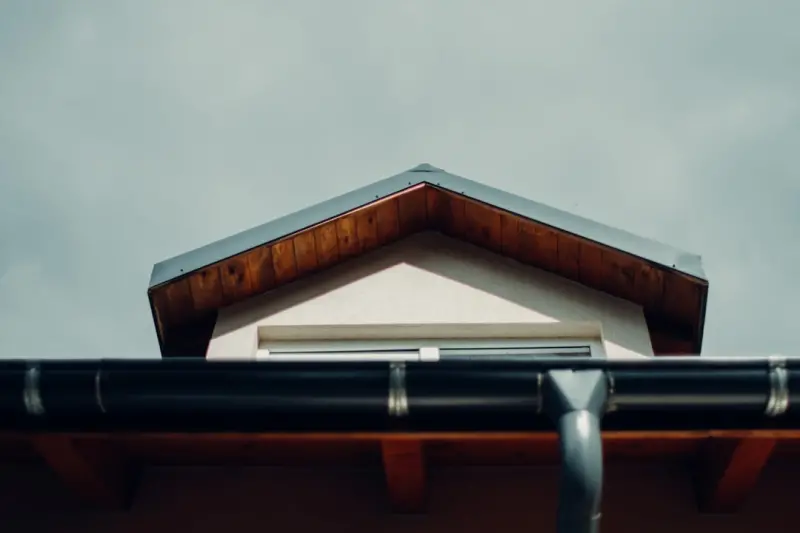
Rethinking Gutters: From Simple Drainage to Integrated Water Assets
A fresh look at gutters reveals their hidden potential: durable materials, purposeful routing, and simple tech integration turn ordinary drainage into a valuabl...Read More
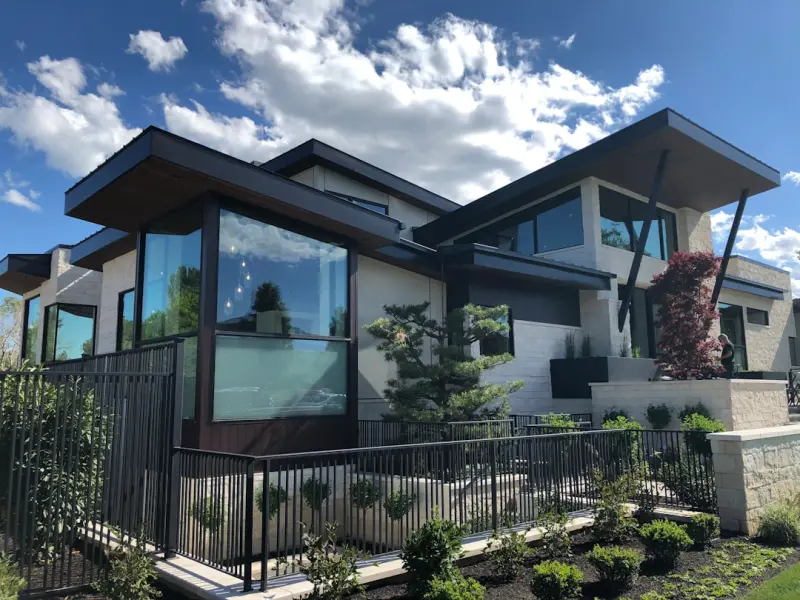
Why Modern Home Inspections Are Becoming Strategic Advisory Services
Home inspections have shifted from simple checklists to strategic consultations. This post explains how technology, data, and storytelling turn inspections into...Read More
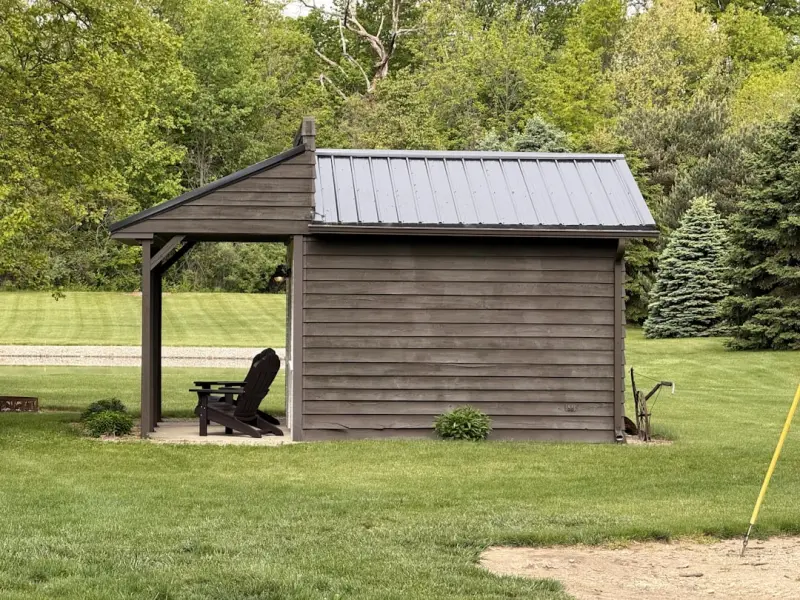
From Storage to Sanctuary: Rethinking Sheds and Gazebos for Modern Life
Sheds and gazebos are evolving from storage closets to year‑round multifunctional spaces. Learn how to redesign them with flexible layouts, renewable energy, ...Read More
0 Comments
Post Comment
You will need to Login or Register to comment on this post!