

Weathering the Storm: How to Weatherproof Your Home for a Sustainable Future
As a homeowner, there's nothing quite like the feeling of security and comfort that comes with knowing your home is well-maintained and prepared for the elements. But with the increasing unpredictability of weather patterns, it's more important than ever to take proactive steps to weatherproof your home. Not only can this help prevent costly repairs and damage, but it can also play a significant role in reducing your carbon footprint and promoting a more sustainable future. In this article, we'll explore the importance of home weatherproofing and provide practical tips and advice on how to make your home more resilient and eco-friendly.
The Benefits of Weatherproofing
Weatherproofing your home is not just about slapping on a fresh coat of paint or sealing a few gaps around the windows. It's about taking a comprehensive approach to protecting your home from the elements and reducing energy waste. By weatherproofing your home, you can help prevent heat loss, reduce air leakage, and minimize the risk of water damage. This can lead to significant cost savings on your energy bills, as well as a reduced carbon footprint. In fact, according to the U.S. Department of Energy, a well-weatherproofed home can save homeowners up to 30% on their energy bills.
Sealing the Gaps
One of the simplest and most effective ways to weatherproof your home is to seal any gaps or cracks around windows, doors, and ducts. This can be done using a variety of materials, including caulk, spray foam, and weatherstripping. By sealing these gaps, you can help prevent air leakage and reduce heat loss, making your home more energy-efficient and comfortable. For more information on sustainable approaches to duct cleaning and maintenance, check out The Hidden Dangers of Dirty Ducts.
Insulation and Ventilation
Proper insulation and ventilation are also critical components of a well-weatherproofed home. Insulation helps to keep warm air in and cold air out, while ventilation helps to regulate airflow and prevent moisture buildup. By ensuring your home is well-insulated and ventilated, you can help reduce energy waste and prevent costly repairs. For more information on the importance of insulation in sustainable home design, check out The Importance of Insulation in Sustainable Home Design.
Roofing and Gutters
Your home's roof and gutters play a critical role in protecting it from the elements. A well-maintained roof can help prevent water damage and reduce the risk of leaks, while clean and functional gutters can help ensure proper water flow and prevent foundation damage. By investing in sustainable roofing solutions and regular gutter maintenance, you can help extend the life of your home and reduce waste. For more information on sustainable roofing solutions, check out The Evolution of Roofing.
Windows and Doors
Windows and doors are two of the most significant sources of heat loss in the home. By investing in energy-efficient windows and doors, you can help reduce heat loss and improve your home's overall energy efficiency. Look for windows and doors with low-E coatings, insulated frames, and tight seals to ensure maximum energy efficiency. Additionally, consider replacing old or damaged windows and doors with new, sustainable models.
Sustainable Materials and Practices
When it comes to weatherproofing your home, it's not just about the materials and techniques you use – it's also about the practices and principles you adopt. By choosing sustainable materials and practices, you can help reduce waste, minimize environmental impact, and promote a more eco-friendly approach to home maintenance. Look for materials that are locally sourced, recycled, or sustainably harvested, and consider working with contractors who share your commitment to sustainability.
Conclusion
Weatherproofing your home is a critical step in promoting a sustainable future and reducing your carbon footprint. By taking a comprehensive approach to weatherproofing, you can help prevent costly repairs, reduce energy waste, and create a more comfortable and resilient living space. Whether you're sealing gaps, upgrading insulation, or investing in sustainable roofing solutions, every step you take can help make a difference. So why wait? Start weatherproofing your home today and take the first step towards a more sustainable future.
Additional Tips and Resources
* Check out The Ultimate Renovation Checklist for more information on sustainable home renovation practices. * Consider investing in energy-efficient appliances and lighting to further reduce your energy consumption. * Look for local resources and incentives that can help support your weatherproofing and sustainability efforts.

William Roy is a freelance writer originally from Montreal who moved to Ottawa with his wife of 50 years to be closer to their grandkids. Alongside his writing, William has a passion for fishing.
Related Posts
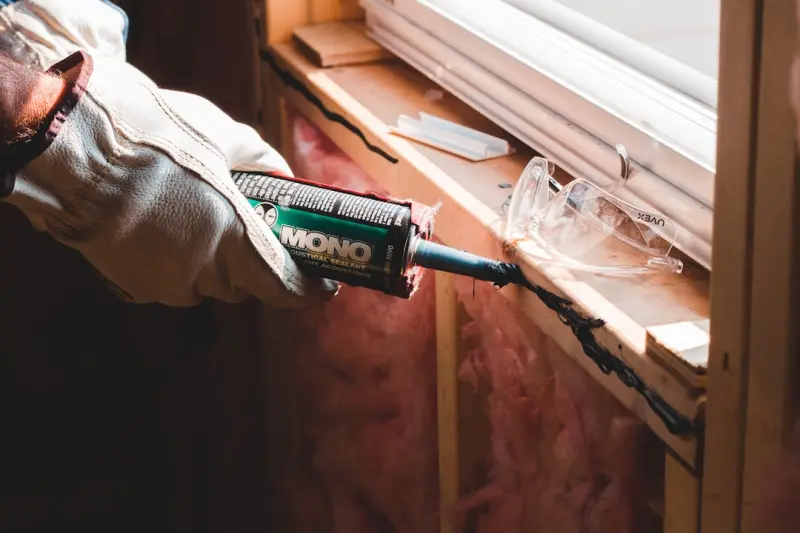
Turning Your Home into a Weather‑Smart Fortress
A comprehensive guide to modern weather proofing, covering micro‑climate management, adaptive enve... Read More
Weatherproofing Your Home for a Sustainable Future
Weatherproofing your home is crucial for a sustainable future. Learn how to reduce energy consumptio... Read More

Weathering the Storm: A Comprehensive Guide to Home Weather Proofing
Discover the importance of home weather proofing and learn various methods and techniques to make yo... Read More
Top Posts
The Evolution of Sustainable Home Construction: Trends and Innovations
Learn about the evolution of sustainable home construction, including the latest trends and innovations in energy-efficient design, eco-friendly materials, and ...Read More
Future‑Ready Garage Doors: Safety, Energy, and Design
Garage doors are evolving from simple barriers to high‑tech, energy‑efficient, and design‑forward assets. Learn how AI maintenance, insulated panels, subs...Read More
Sustainable Windows and Doors: A Key to Energy Efficiency
Sustainable windows and doors are crucial for energy efficiency and reducing environmental impact. Learn about the benefits, types, and future trends in sustain...Read More
Bathroom Renovations: Where Function Meets Fashion
Bathroom renovations can be a complex and challenging process, but with the right approach, you can create a space that's both beautiful and functional. Learn h...Read More
0 Comments
Post Comment
You will need to Login or Register to comment on this post!