

When Walls Whisper: Crafting a Narrative with Color and Texture
Walking into a room should feel like opening a good book. The moment you step across the threshold, the space greets you with a tone, a mood, an unspoken story. As an interior designer who has spent years balancing the pragmatic demands of construction with the emotional pull of aesthetics, I’ve learned that the most compelling interiors are those that let the walls speak. It isn’t about bold statements alone; it’s about subtle cues, layered textures, and a deliberate palette that guides the eye and calms the mind.
The Psychology of Hue: Beyond “Blue Makes You Calm”
We all hear the shorthand—blue is calming, red is energizing, yellow sparks optimism. While there’s a kernel of truth, the reality is far richer. Color interacts with the architecture, the natural light, and the personal histories of the people who inhabit the space. A deep teal in a high‑ceilinged living room can feel expansive and soothing, whereas the same shade on a low‑ceilinged hallway might feel oppressive.
Start by identifying the function of each zone. A kitchen that serves as a family hub benefits from warm, inviting tones that encourage lingering, while a home office thrives on muted neutrals that reduce visual clutter and enhance focus. From there, consider the direction of light. East‑facing rooms bathe in soft morning light, making cooler hues feel crisp; west‑facing rooms soak up golden evenings, allowing richer shades to glow without feeling heavy.
Layering Textures: The Unsung Hero of Depth
Color alone can paint a picture, but texture adds the brushstrokes. A matte finish on a feature wall absorbs light, creating an intimate cocoon, whereas a subtle sheen can bounce light, opening up a space. Pairing a plush velvet sofa with a raw, reclaimed‑wood coffee table introduces contrast that feels both sophisticated and grounded.
Consider the tactile journey you want occupants to experience:
- Flooring: A natural sisal rug under a sleek concrete floor offers a tactile counterpoint that invites barefoot moments.
- Wall Treatments: Incorporate reclaimed brick or a textured plaster to add depth without overwhelming the palette.
- Soft Furnishings: Mix linen drapes with chunky knit throws; the interplay of smooth and coarse creates visual rhythm.
Acoustic Comfort: The Quiet Influence of Design
We often overlook sound when we talk about interior design, yet acoustics dramatically affect how a space feels. Open‑plan living areas can become echo chambers, while bedrooms need a hushed ambience for restful sleep. Integrating acoustic panels disguised as art, heavy curtains, and upholstered furniture can mute unwanted reverberations without sacrificing style.
For those who love a minimalist look, consider digital twins of your acoustic model. By simulating sound propagation before a wall is built, you can fine‑tune material choices to achieve the desired quietude.
Sustainable Storytelling: Materials with a Past
In today’s design conversation, sustainability isn’t a buzzword; it’s a narrative thread. Using reclaimed wood, salvaged metal, or repurposed glass tells a story of continuity and respect for resources. A dining table made from an old barn beam becomes a conversation starter, bridging the gap between past and present.
When sourcing, ask two questions:
- What is the origin of the material? Local sourcing reduces transport emissions and supports regional artisans.
- How will the material age? Patinas develop over time, adding character that synthetic alternatives can’t replicate.
Pairing these elements with a thoughtful color narrative ensures the space feels both timeless and purposeful.
Integrating Technology Without Disruption
Smart home devices are now part of the interior designer’s toolkit, but they must blend seamlessly. Concealed wiring, wireless charging pads built into side tables, and voice‑controlled lighting can enhance convenience while preserving aesthetic integrity. The key is to hide the tech behind design choices rather than let it dominate.
A practical tip: Use smart panels that double as decorative wall art. These panels can display ambient lighting effects that shift with the time of day, reinforcing your color story and creating a dynamic atmosphere.
Crafting a Cohesive Narrative: From Concept to Completion
Every successful interior project starts with a storyboard. Sketch out mood boards, gather fabric swatches, and create a digital mock‑up that aligns color, texture, and function. This visual roadmap serves as a reference point throughout the build, ensuring every decision—down to the placement of a single throw pillow—supports the overarching narrative.
When the project moves toward execution, a renovation checklist becomes indispensable. It helps track milestones, from demolition to final paint touch‑ups, guaranteeing that the design intent isn’t lost amid the logistical chaos of construction.
Case Study: A Quiet Retreat in an Urban Loft
One recent client, a freelance writer living in a converted warehouse, wanted a sanctuary that encouraged focus yet allowed for relaxation after long writing sessions. The solution combined a muted sage green palette with natural wood accents and acoustic panels that resembled abstract art.
Key elements included:
- Color: Sage walls paired with a deeper emerald accent behind the desk created a visual hierarchy.
- Texture: A reclaimed‑brick feature wall added depth, while a soft wool rug under a leather chair balanced comfort with professionalism.
- Acoustics: Fabric‑wrapped acoustic panels in a geometric pattern reduced echo without breaking the visual flow.
- Technology: Integrated wireless chargers in the desk and dimmable LED lighting that shifted from cool to warm tones as the day progressed.
The result was a space that whispered productivity in the morning and sang serenity by night—exactly the story the client wanted to live.
Final Thoughts: Let Your Space Speak Your Language
Interior design is more than arranging furniture; it’s about curating experiences that resonate on a sensory level. By treating color as a narrative device, layering textures for tactile interest, managing acoustics for comfort, and weaving sustainability into the fabric of the design, you create environments that are not only beautiful but also deeply personal.
Remember, the best interiors are those that feel inevitable—like the story they tell was always meant to be told. When the walls finally begin to whisper, you’ll know you’ve succeeded.

Paul Gray is a dynamic blogger based in Brampton, where he shares his life with his amazing wife, Sarah. Known for his engaging writing style and relatable insights, Paul has carved out a niche in the blogging world that resonates with readers from all walks of life. When he's not crafting captivating posts, you can find him savoring a cold beer or indulging in the latest blockbuster movie. With a friendly demeanor and a passion for storytelling, Paul brings a unique perspective to his work, making him not just a blogger, but a voice for those who appreciate the simple joys of life.
Related Posts
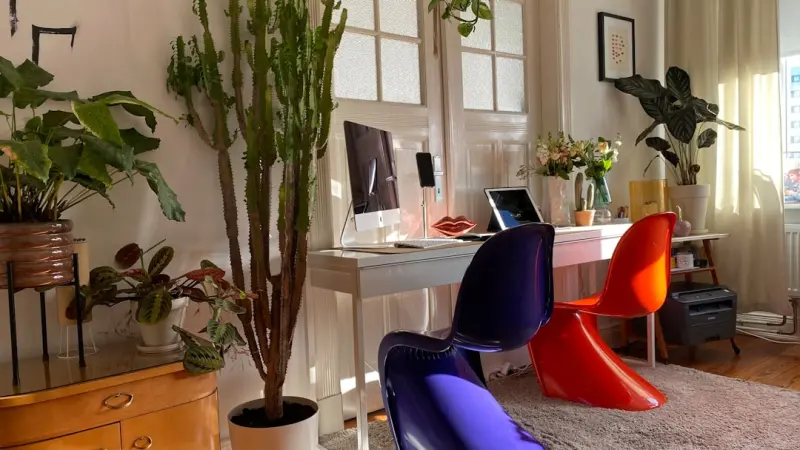
Reimagining Home Offices: Biophilic Design Meets Adaptive Furniture
Discover how to blend natural elements with flexible furniture to build a home office that boosts pr... Read More
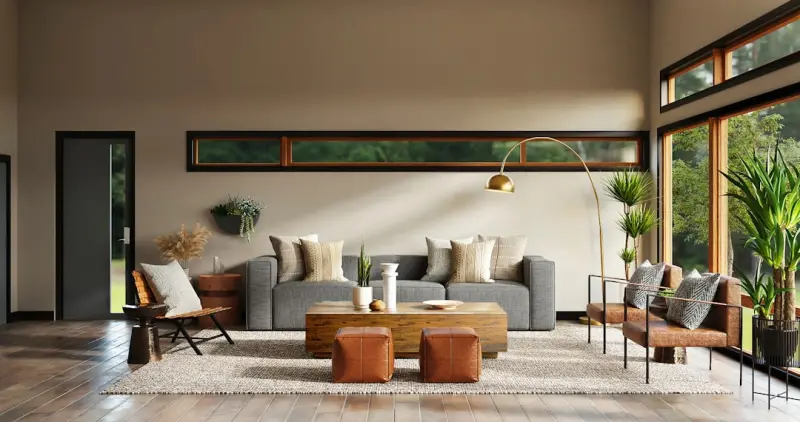
The Quiet Revolution: How Acoustic Design is Shaping Modern Interiors
Acoustic design is the hidden hero of modern interiors. Discover why sound matters, how to choose ma... Read More
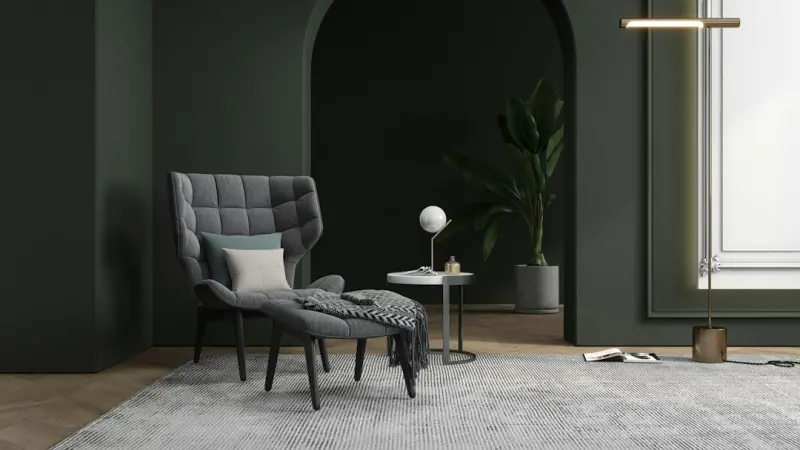
Beyond Sight: Crafting Sensory‑Rich Interiors for Brand Impact
Explore a holistic approach to interior design that engages all five senses, aligning visual, audito... Read More
Top Posts
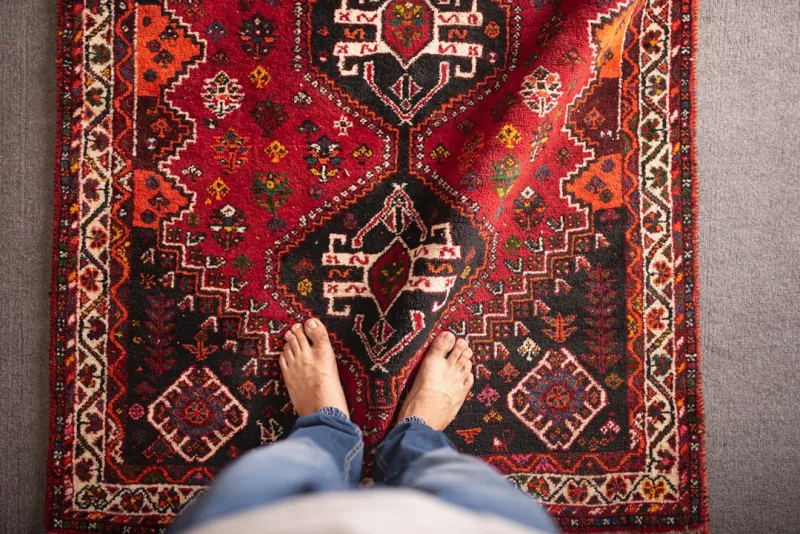
The Hidden Dangers of Dirty Carpets: A Comprehensive Guide to Eco-Friendly Carpet Cleaning
Dirty carpets can harbor allergens, bacteria, and pollutants that negatively impact indoor air quality. Learn how to prioritize eco-friendly carpet cleaning met...Read More

The Evolution of Home Construction: Trends, Innovations, and Best Practices
The home construction industry is evolving rapidly, driven by advancements in technology and changing consumer preferences. Learn about the latest trends, innov...Read More

Reimagining Sunrooms: From Seasonal Nooks to Year‑Round Wellness Sanctuaries
Sunrooms can evolve from seasonal extensions to holistic wellness sanctuaries. Learn how biophilic design, smart climate control, acoustic solutions, and sustai...Read More

The Solar Energy Revolution: Harnessing the Power of the Sun
The solar energy revolution is gaining momentum worldwide. Learn about the benefits, challenges, and future of solar energy and how it's transforming the way we...Read More
0 Comments
Post Comment
You will need to Login or Register to comment on this post!