
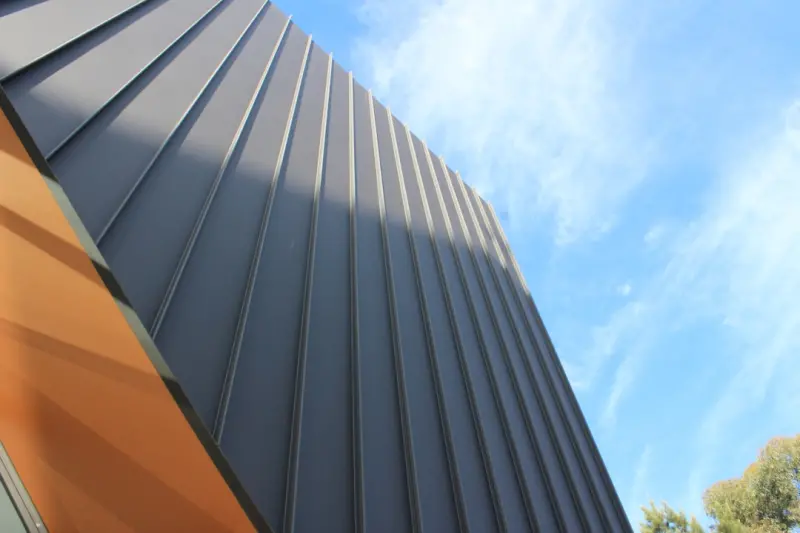
The Roof Is No Longer Just a Shield
For decades, the roof has been the silent sentinel of a building—an unassuming, static layer of shingles, tiles, or metal that simply keeps the weather out. Today, that narrative is shifting dramatically. Thanks to breakthroughs in material science, sensor integration, and data analytics, roofs are evolving into active, intelligent platforms that generate energy, regulate indoor climate, and even monitor structural health. In the commercial and industrial sectors, where operational efficiency and sustainability are paramount, rethinking the roof can unlock a cascade of hidden value.
Adaptive Roofing Membranes: From Passive to Proactive
Traditional roofing membranes were engineered for durability and water resistance. Modern variants, however, embed nanostructured polymers that can respond to environmental stimuli. For example, thermochromic coatings shift their reflectivity based on temperature, reducing cooling loads in summer while allowing solar gain in cooler months. Likewise, phase‑change materials (PCMs) integrated within the membrane absorb excess heat during peak sun exposure and release it when temperatures dip, flattening the building’s thermal curve without a single moving part.
These adaptive membranes do more than improve comfort; they extend the service life of the roof itself. By minimizing thermal cycling stress, the risk of premature cracking or delamination drops dramatically, translating to lower replacement costs over a building’s lifespan.
Embedding Intelligence: IoT Sensors on the Skyline
The rise of the Internet of Things has made it possible to turn every square foot of roofing into a data source. Tiny, weather‑hardened sensors can be laminated into the membrane during installation, measuring parameters such as:
- Surface temperature and solar irradiance
- Moisture ingress and condensation levels
- Structural strain and flexure under wind loads
- Airflow dynamics across ventilated roof decks
When this data streams to a cloud‑based analytics platform, building managers gain real‑time insight into roof performance. This is where predictive maintenance strategies become a game‑changer: anomalies trigger automated work orders before a leak or structural issue escalates into costly downtime.
Green Roofs Meet Smart Technology
Green roofs have long been championed for stormwater management, biodiversity, and insulation benefits. By marrying these vegetative layers with sensor networks, owners can now monitor soil moisture, nutrient levels, and plant health remotely. The data enables precise irrigation scheduling, cutting water waste by up to 40% compared to manual systems. Moreover, the living ecosystem itself acts as a thermal buffer, further reducing heating and cooling demand.
Integrating renewable energy into the same footprint amplifies the ROI. Thin‑film photovoltaic panels can be installed atop the vegetative layer without compromising plant health, creating a hybrid roof that both produces and conserves energy. This synergy is especially compelling for facilities pursuing net‑zero targets, as the roof becomes a multifunctional hub rather than a single‑purpose barrier.
Economic and Environmental ROI: The Numbers Speak
When evaluating a roof upgrade, decision‑makers often focus on the upfront capital expense. A more holistic view reveals a compelling financial story:
- Energy Savings: Adaptive membranes and photovoltaic integration can cut annual HVAC electricity use by 10‑20%.
- Extended Service Life: Smart materials reduce wear, pushing replacement intervals from 15‑20 years to 25‑30 years.
- Reduced Maintenance Costs: Predictive alerts cut emergency repairs by up to 50%.
- Carbon Credits: Green roofs and on‑site solar generation qualify for sustainability incentives and carbon offset programs.
These benefits align closely with the ground‑up resilience principles that are reshaping how developers think about the entire building envelope.
Practical Steps for Property Owners
Transitioning to a smart roof doesn’t happen overnight. Here’s a roadmap that balances ambition with risk mitigation:
- Audit the Existing Roof: Conduct a thorough condition assessment, noting age, material type, and any known failures.
- Define Objectives: Are you targeting energy generation, water management, structural monitoring, or a combination?
- Select Compatible Technologies: Choose adaptive membranes, PV modules, or green roof systems that can physically coexist.
- Partner with Integrated Suppliers: Look for manufacturers that bundle sensors, analytics platforms, and warranty support.
- Pilot a Section: Install a test zone covering 10‑15% of the roof area. Collect data for a full seasonal cycle before scaling.
- Analyze ROI: Use the pilot data to model long‑term savings, factoring in utility rates, maintenance costs, and incentive programs.
- Scale and Optimize: Roll out the full solution, fine‑tuning sensor thresholds and control algorithms as you gather more data.
Throughout this process, maintaining open communication with occupants and facilities teams ensures that any disruption is minimized and that the benefits are clearly understood across the organization.
Future Outlook: Roofs as Data Hubs
Looking ahead, the roof will likely become a primary conduit for building‑wide data exchange. As 5G and edge‑computing become ubiquitous, the latency between sensor capture and actionable insight will shrink to milliseconds. Imagine a scenario where a sudden wind gust is detected by strain gauges, prompting the building automation system to adjust interior pressurization and lock down vulnerable skylights—all in real time.
Beyond building performance, aggregated roof data could feed city‑scale climate models, informing municipal stormwater planning and heat‑island mitigation strategies. In that sense, each smart roof contributes not only to a single building’s efficiency but also to the broader urban ecosystem.
Conclusion: The Roof as a Strategic Asset
In a world where every square foot of real estate is scrutinized for performance, the roof is finally receiving the strategic attention it deserves. By leveraging adaptive materials, IoT sensors, and renewable integrations, property owners can transform a traditionally passive element into a dynamic, revenue‑generating, and sustainability‑driving asset. The transition requires thoughtful planning, but the payoff—measured in energy savings, reduced maintenance, extended lifespan, and enhanced resilience—makes the smart roof an indispensable component of tomorrow’s high‑performance buildings.

William Roy is a freelance writer originally from Montreal who moved to Ottawa with his wife of 50 years to be closer to their grandkids. Alongside his writing, William has a passion for fishing.
Related Posts
Rethinking Roofs: From Passive Shield to Active Asset
This article reveals how modern roofing can evolve from a static cover into a data‑driven, climate... Read More
From Shingles to Data Hubs: Reimagining Roofs for the Modern Facility
Explore a fresh perspective on roofing that treats the roof as an intelligent platform, leveraging d... Read More
Why Your Roof Is the Secret Weapon for Boosting Home Value
A roof isn’t just protection—it’s a powerful value‑adder. Learn the materials, design tricks... Read More
Top Posts

Sustainable Fencing Options for a Greener Future
Sustainable fencing is a critical component of a greener future. Learn about eco-friendly materials, benefits, and tips for choosing the right fencing for your ...Read More

Layered Light: How to Light Your Home Smarter, Safer, and More Stylish
Learn how to create a three‑layer lighting system—ambient, task, and accent—that improves mood, saves energy, and integrates with smart home safety, using...Read More

Reviving Soil for Lush, Resilient Lawns
A comprehensive, data‑informed approach to lawn care that starts with soil health, uses precise watering, native grasses, and organic practices for a greener,...Read More
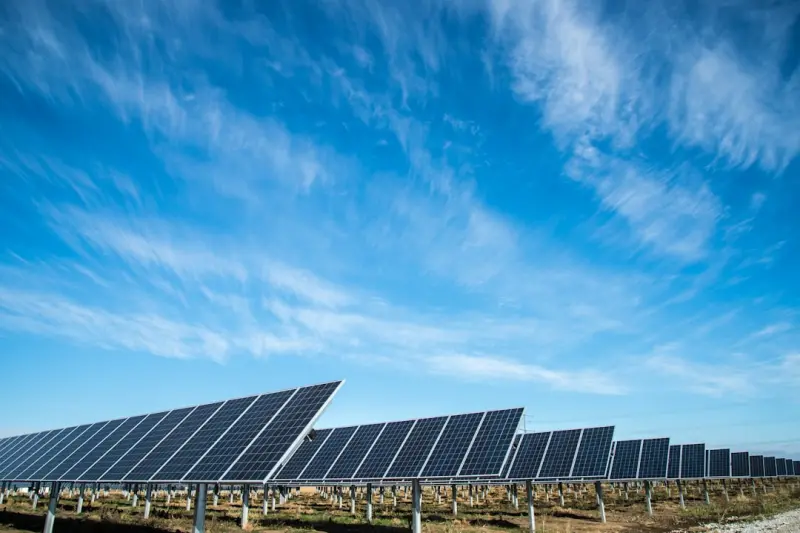
Solar as a Business Platform: Turning Sunlight into Strategic Advantage
Solar is evolving from a simple energy source into a strategic platform that drives revenue, resilience, and brand value. Learn how to embed solar into your bus...Read More
0 Comments
Post Comment
You will need to Login or Register to comment on this post!