

When Your Alarm Thinks Like You: The Next Evolution of Home Security
Walking into a home that greets you with a subtle pulse of light, a soft chime that lets you know the doors are locked, and a silent assurance that every sensor is working in harmony feels like stepping into the future. Home alarm systems have long been the silent guardians of our sanctuaries, but they’re evolving from reactive “alert‑when‑something‑goes‑wrong” devices into proactive, human‑centred platforms that anticipate risk, adapt to our habits, and even collaborate with our neighbors. In this deep dive, I’ll explore the emerging trends that are reshaping home security, why the psychology of alarm interaction matters more than ever, and how a new wave of AI‑driven, subscription‑based services is turning traditional alarms into intelligent, community‑wide safety nets.
The Human Factor: Why Alarm Design Needs a Psychological Lens
For decades, alarm manufacturers focused on the hardware: motion detectors, door contacts, glass break sensors, and a siren loud enough to scare off intruders. But the human response to these devices has been overlooked. A study by the Home Security Institute showed that 35% of false alarms stem from user error—people forgetting to arm the system, pets tripping motion sensors, or a simple mis‑step during entry.
- Contextual Awareness: Modern occupants expect their alarm to understand the difference between a child racing through the hallway and a genuine break‑in.
- Feedback Loops: Real‑time notifications that tell you exactly why an alarm was triggered (e.g., “Living room motion detected, but it matches the routine pattern of your 7‑am walk”) reduce panic and improve compliance.
- Trust Building: When users feel the system respects their daily rhythm, they’re more likely to keep it armed and maintain regular maintenance.
Designers are now incorporating smart sensor technology that can differentiate between a stray cat and a potential intruder by analysing movement patterns, temperature changes, and even sound signatures. This nuanced approach not only slashes false alarm rates but also builds a sense of partnership between homeowner and device.
From Reactive to Predictive: The Rise of AI‑Powered Threat Detection
Artificial intelligence is no longer a buzzword reserved for cloud analytics; it’s the engine driving the next generation of home alarms. By leveraging machine learning models trained on millions of security events, modern systems can predict anomalous behaviour before it escalates.
Imagine a scenario where the alarm system notices that a normally empty side gate has been opened at an odd hour, and it cross‑references this with recent neighbourhood activity (e.g., a surge in delivery trucks). The system then sends a discreet push notification asking, “Do you recognize this activity?” If you respond “No,” the system can automatically engage a higher security mode, activate additional cameras, and alert a local monitoring centre.
These predictive capabilities draw inspiration from predictive maintenance models used in HVAC. Just as a smart thermostat learns the thermal profile of a home to schedule proactive service, a home alarm learns occupancy patterns, lighting schedules, and even the acoustic fingerprint of everyday household noises. The result? A system that acts before an incident, rather than merely reacting after the fact.
Subscription‑Based Security: The Shift Toward Service Over Product
Traditional alarm systems were sold as a one‑off hardware purchase with optional monitoring fees. Today, the market is gravitating toward an as‑a‑service model that bundles hardware, AI analytics, and 24/7 professional monitoring into a single monthly fee. This model offers several compelling benefits:
- Lower Up‑Front Costs: Homeowners can avoid the hefty initial outlay for sensors, control panels, and installation.
- Continuous Upgrades: As AI algorithms improve, the service updates automatically—no need for new hardware swaps.
- Scalable Coverage: Adding a new sensor, such as a smart doorbell or a water leak detector, is as simple as clicking “Add” in the app.
- Integrated Ecosystem: Subscription services often bundle with other smart‑home functions—lighting, climate control, and even energy‑usage analytics—creating a unified platform for home management.
This subscription wave mirrors the transformation we witnessed in kitchen appliances, where modular, upgradable products replace static, single‑use devices. Home security is following suit, turning a once‑static purchase into an evolving service that grows with the homeowner’s needs.
Community‑Centric Alarms: Leveraging Neighborhood Networks
One of the most exciting developments is the emergence of neighborhood‑wide alarm ecosystems. By allowing individual home alarms to share anonymized alerts with a secured, local network, a community can collectively respond to threats faster. If a motion sensor on a street corner detects suspicious activity, nearby homes receive a silent alert prompting them to turn on exterior lights or lock doors, while the central monitoring hub dispatches law enforcement.
These community networks rely on privacy‑by‑design protocols, ensuring that no personal data leaves a homeowner’s device unless explicitly permitted. The system works like a digital neighborhood watch, enhancing safety without compromising individual privacy.
Integrating Home Inspections with Alarm Health Checks
Modern home inspections are evolving from a once‑a‑year snapshot to an ongoing advisory service. Inspectors now recommend integrating alarm health checks into their inspection reports, ensuring that sensors are calibrated, battery levels are optimal, and firmware is up‑to‑date.
When you schedule a home inspection, the inspector can connect to your alarm’s diagnostic interface, run a quick system wellness scan, and provide a clear action plan. This seamless integration reduces the “set‑and‑forget” mentality that has plagued traditional alarm systems for decades.
Designing for Seamless Aesthetics
Beyond functionality, today’s homeowners demand that security hardware blend with interior design. Bulky panels and glaring LEDs are out; sleek, minimalist touchpoints that double as decorative elements are in. Manufacturers are turning to customizable skins, magnetic mounts, and even artwork‑integrated sensors that mimic picture frames or wall décor.
These design choices are not merely cosmetic. When devices are visually integrated into the living space, they’re less likely to be tampered with and more likely to be respected as part of the home’s ecosystem. The aesthetic harmony also contributes to the psychological comfort of knowing that security is an unobtrusive, trusted companion.
The Future Outlook: A Holistic Safety Platform
Looking ahead, home alarm systems will converge with broader safety and wellbeing platforms. Picture a dashboard where you can:
- Monitor air quality (linking to indoor air health insights),
- Track energy consumption from solar panels or smart thermostats,
- Receive predictive alerts for both security and maintenance,
- Coordinate emergency response with local services via a single click.
This integrated approach will transform the alarm from a siloed device into the central nervous system of the smart home. As AI continues to mature, we’ll see even more sophisticated capabilities: emotion‑recognition cameras that can differentiate between a frantic family member returning home late and an actual intruder, or acoustic sensors that can detect the faint sound of a glass break before it escalates.
For homeowners, the takeaway is clear: the next‑generation alarm system isn’t just about louder sirens. It’s about intelligent, human‑centric design, subscription flexibility, community collaboration, and seamless integration with the broader smart‑home ecosystem. By embracing these trends, you can turn your home into a truly resilient sanctuary—one that thinks, learns, and protects with the same nuance you bring to every other aspect of modern living.

Kelly Reynolds is a dynamic freelance writer hailing from the picturesque landscapes of Alberta. A master of the written word, she juggles her passion for storytelling with the exhilarating chaos of being a mother to five spirited children. With an impressive portfolio that spans various genres, Kelly captivates readers through her engaging blog posts and thought-provoking articles.
Related Posts
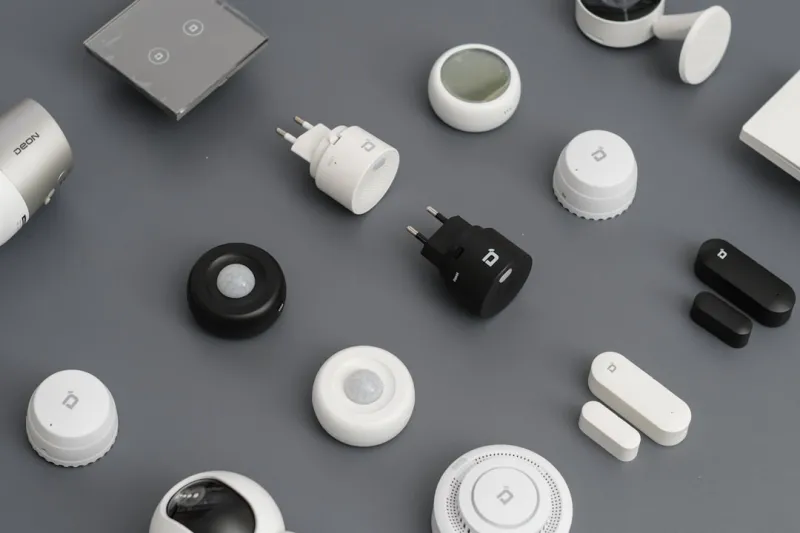
Smart Home Alarm Systems: Security Meets Sustainability
A smart alarm isn’t just a deterrent; it’s a sustainable, integrated system that safeguards your... Read More
Home Alarm Systems Reimagined: From Guard to Smart Home Concierge
A deep dive into the future of home alarm systems, highlighting AI‑driven alerts, privacy safeguar... Read More
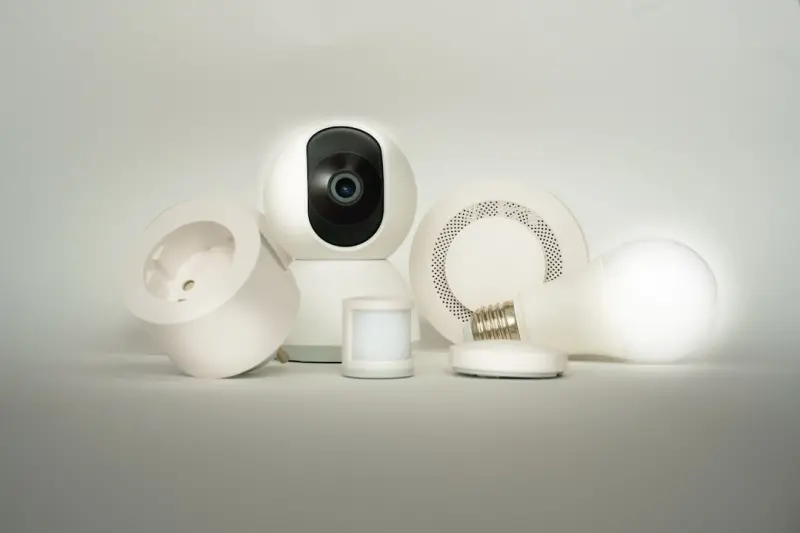
Reimagining Home Alarms as Learning, Community‑Aware Guardians
A deep dive into turning traditional home alarms into AI‑driven, privacy‑first, community‑link... Read More
Top Posts

The Home Inspector’s Playbook: Turning Data, Ethics, and Communication into Real‑Estate Wins
A fresh take on home inspections: leveraging data, drones, and ethical practices to empower buyers, sellers, and real‑estate negotiations....Read More

Why Modern Roofs Should Be Smart, Sustainable, and Stylish
Explore innovative roofing strategies that blend smart sensors, sustainable materials, and artistic design to create a roof that protects, saves energy, and enh...Read More

Mastering Gutters: Sustainable Strategies for Home Longevity
A veteran contractor shares practical, sustainable gutter strategies—from material choices to maintenance routines—helping you protect your home, save money...Read More
Tile Trends That Transform Your Home: From Materials to Smart Integration
Explore fresh tile trends, from sustainable materials and bold patterns to sensor‑embedded floors, and learn practical tips for installation and maintenance....Read More
0 Comments
Post Comment
You will need to Login or Register to comment on this post!