
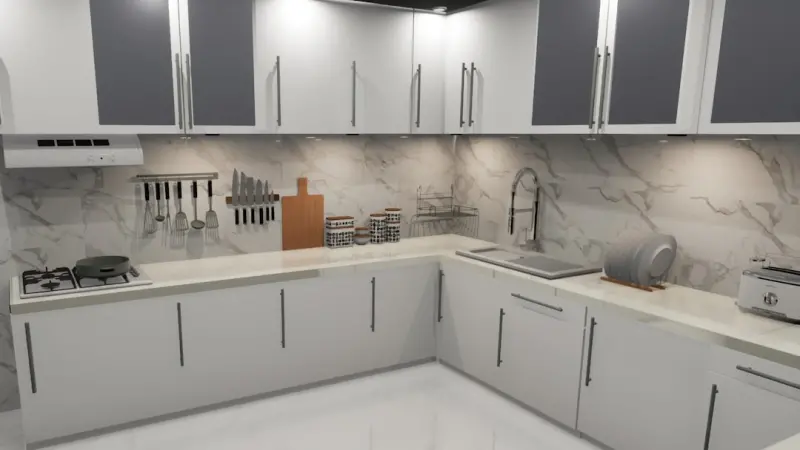
Why the Kitchen is Becoming the Most Flexible Room in the House
When I first started swapping out my own countertops, I thought I was simply chasing a trend. Over the past few years the kitchen has morphed from a static backdrop into a dynamic, adaptable space that can grow with our lives—whether we’re feeding a newborn, launching a home‑based catering gig, or just craving a fresh look without the hassle of a full demolition.
What’s driving this shift? A combination of consumer desire for flexibility, emerging modular product lines, and a new business model that treats kitchen upgrades the way we think about software updates: as ongoing, subscription‑style services.
From One‑Time Renovation to Ongoing Kitchen-as-a‑Service
Historically, a kitchen remodel meant a massive upfront investment and a long period of disruption. Homeowners would save for years, hire a contractor, and live with a half‑finished space for weeks. The result was a “set‑and‑forget” mindset—once the cabinets were up, the layout was essentially locked in.
Now, companies are flipping that script. Instead of a single, monolithic project, they’re offering modular kitchen components—cabinetry, islands, backsplashes, and even appliances—that can be swapped out piece by piece. Think of it like adding a new app to your phone: you keep the core platform, but you can add or replace features as your needs change.
These services often come with a subscription fee that covers installation, periodic updates, and even maintenance. It’s the same model that’s reshaping how we think about handyman work (Why Handyman Services Are Shifting to Subscriptions), but now applied to the heart of the home.
The Core Benefits of a Subscription Kitchen
- Predictable Costs: Instead of a massive lump sum, you pay a monthly fee that’s easy to budget.
- Future‑Proofing: New materials and design trends can be adopted without a full gut‑rehab.
- Sustainability: Modular pieces are often designed for reuse, reducing waste.
- Convenience: Professional installers handle the swap, so you avoid the chaos of DIY demolition.
Design Principles for a Flexible Kitchen
To make the most of this model, consider three design pillars that keep your kitchen agile.
1. Grid‑Based Layouts
Instead of a custom‑shaped island, use a modular grid system where each “tile” can be a sink, a prep surface, or a charging station for gadgets. When you need a larger prep area for holiday cooking, simply add another tile; when you want to create a bar‑style seating area, replace a prep tile with a stool‑compatible module.
2. Universal Connectors
Just as USB‑C is becoming the standard for electronics, kitchens are adopting universal plumbing and power connectors that allow a variety of appliances—induction cooktops, smart ovens, even compact composters—to plug into the same points. This eliminates the need for new wall cuts each time you upgrade a device.
3. Swap‑Ready Finishes
Choose cabinet fronts and backsplashes that attach via clips or magnetic strips. When a new color trend hits or you simply tire of the current hue, you can replace the panels without sanding or repainting. Some providers even ship pre‑finished panels that you can install yourself in an afternoon.
Technology That Powers the Subscription Kitchen
While we’re steering clear of the “smart sensor” hype, there’s a subtle layer of technology that makes modular kitchens practical.
- Digital Inventory Management: Integrated pantry sensors track what you have and suggest when it’s time to upgrade storage modules.
- Virtual Planning Tools: Before a module arrives, you can visualize it in a 3‑D model of your kitchen, ensuring a perfect fit.
- Predictive Wear Analytics: Some subscription services monitor usage patterns and proactively suggest component replacements before they fail.
This approach mirrors the way we’re rethinking other parts of the home. For example, just as the garage is being transformed into a Smart Home Extension, the kitchen is becoming a hub that can expand, contract, and adapt to the rhythms of modern life.
Case Study: The “Chef‑On‑Demand” Kitchen
One of my favorite real‑world examples comes from a boutique startup that offers a “Chef‑On‑Demand” subscription. For a flat monthly rate, members receive:
- A set of interchangeable prep modules that can be reconfigured for large‑scale cooking events.
- Seasonal backsplash panels featuring washable, antimicrobial surfaces.
- Quarterly visits from a culinary consultant who suggests layout tweaks to improve workflow.
Customers report a 40% reduction in time spent “pre‑renovating” for holiday meals because the kitchen can be quickly transformed from a daily family cooking zone into a professional‑grade prep space. The subscription model also includes a recycling program for old modules, aligning with circular‑economy principles.
Challenges to Anticipate
No innovation comes without hurdles. Here are a few you might encounter when considering a subscription kitchen:
- Initial Compatibility: Older homes may need retrofitting to accommodate universal connectors.
- Vendor Lock‑In: Some providers use proprietary module designs, so switching brands could be costly.
- Design Cohesion: With many interchangeable pieces, it’s easy to end up with a mismatched aesthetic if you don’t have a clear style guide.
Choosing a provider that adheres to open standards and offers a curated design service can mitigate these risks.
Future Trends: What’s Next for Modular Kitchens?
Looking ahead, I see three exciting developments that will push the subscription kitchen even further.
Biophilic Modules
Imagine a countertop that doubles as a living herb garden, with built‑in irrigation that you can swap out for a sleek stone surface when you’re not in the mood for greens. These modules will blend aesthetics with food‑production, turning the kitchen into a small-scale urban farm.
AI‑Curated Layouts
While we’re not diving into full‑blown AI kitchens just yet, simple algorithms will soon suggest optimal module arrangements based on your cooking habits, family size, and even the season.
Zero‑Waste Upgrade Cycles
Building on the circular‑economy ethos, future subscription services will likely guarantee that every retired module is either refurbished for another home or upcycled into furniture, eliminating landfill waste.
Getting Started: A Step‑by‑Step Guide
- Audit Your Current Kitchen: List the pain points—lack of prep space, outdated appliances, or limited storage.
- Define Your Upgrade Frequency: Decide how often you’d like to refresh elements (e.g., quarterly, yearly).
- Research Providers: Look for companies that use open‑system connectors and offer a clear recycling plan.
- Start Small: Begin with a single module, like a replaceable backsplash, to test the process.
- Scale Up: Once comfortable, add interchangeable islands, modular storage, and finally, subscription‑based appliances.
Remember, the goal isn’t to overhaul everything at once but to create a kitchen that evolves with you—just like a good software platform receives updates that keep it relevant and secure.
Final Thoughts
The kitchen has always been the heart of the home, but now it’s also the brain. By embracing modular, subscription‑based design, you can keep your cooking space fresh, functional, and future‑ready without the stress of a massive, one‑off remodel. It’s a shift that aligns with broader trends in home services and sustainability, and it offers a compelling path for anyone who wants a kitchen that truly works for them—today, tomorrow, and beyond.

When it comes to the world of blogging and writing, Rose DesRochers is a name that stands out. Her passion for creating quality content and connecting with her audience has made her a trusted voice in the industry. Aside from her skills as a writer and blogger, Rose is also known for her compassionate nature.
Related Posts
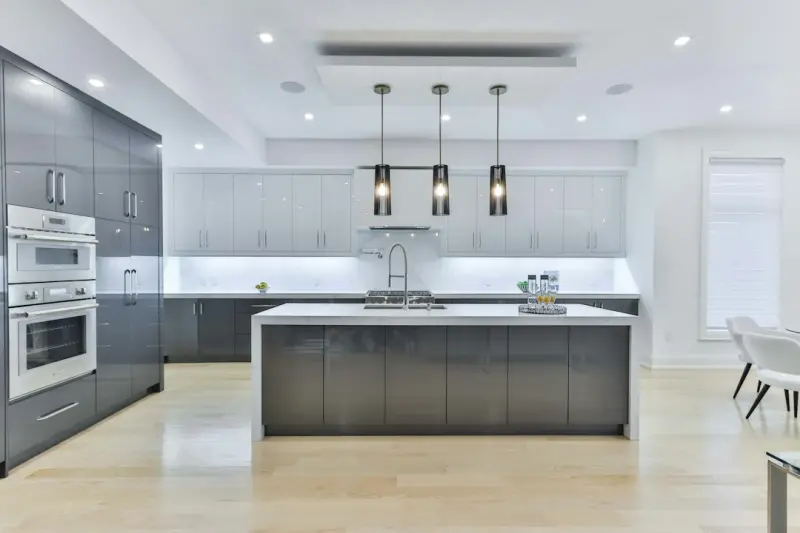
Quiet Kitchen Renovations: Acoustic Design for Multi‑Generational Homes
A practical guide to acoustic‑first kitchen renovations, offering design tips, material choices, a... Read More

Redesigning the Heart of the Home: A Data‑Driven, Human‑Centric Kitchen Renovation Blueprint
Discover how a data‑first approach, modular island design, high‑tech coatings, and sustainable m... Read More
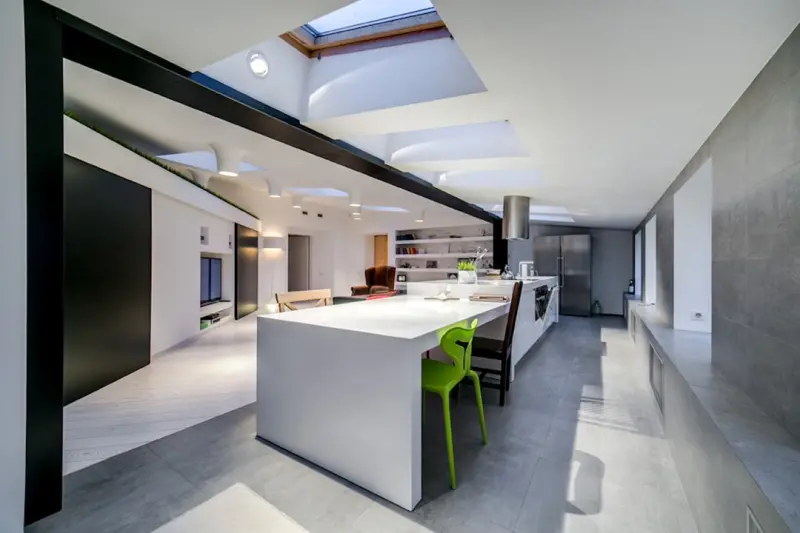
Modular Kitchen Islands: The Secret to a Flexible, Future‑Ready Home
A modular kitchen island transforms a static workspace into a versatile hub that can adapt to remote... Read More
Top Posts

Light‑Modulating Window Treatments: Design, Health, and Brand Impact
Explore a fresh approach to window treatments that goes beyond glare control, integrating adaptive systems, natural materials, and acoustic benefits to enhance ...Read More

Concrete Reimagined: From Brutalism to Biophilic Brilliance
Concrete is evolving beyond its traditional role, offering ultra‑high‑performance strength, 3D‑printing flexibility, acoustic mastery, and low‑carbon op...Read More

Breathing Easy: Designing Homes for Superior Indoor Air Quality
This article explores why indoor air quality must be a foundational element in home construction, offering practical design tactics, smart sensor integration, a...Read More

Tree Care as a Strategic Asset: From Soil to Skyline
A deep dive into practical tree care: early warning signs, seasonal pruning, soil health, tech‑enabled monitoring, and community stewardship—all designed to...Read More
0 Comments
Post Comment
You will need to Login or Register to comment on this post!