

Why the Right Insulation Is the Unsung Hero of Indoor Air Quality
When homeowners think about insulation, the conversation usually circles around two metrics: R‑value and energy bills. The narrative is simple—more R‑value means a warmer house in winter, a cooler house in summer, and lower utility costs. But what if I told you that the type of insulation you choose can also dictate the health of the air you breathe every day?
In the age of smart homes and wellness‑focused interiors, a quiet revolution is taking place beneath our walls, floors, and ceilings. This revolution isn’t about a higher R‑value; it’s about breathable, moisture‑balanced insulation that works hand‑in‑hand with indoor air quality (IAQ) strategies to keep pollutants, allergens, and excess humidity at bay while still delivering the energy performance you expect.
The Hidden Trade‑Off: Energy Efficiency vs. Airflow
Traditional fiberglass or foam insulation excels at trapping heat, but it can also create a sealed envelope that traps stale air, VOCs (volatile organic compounds), and moisture. Over time, these conditions encourage mold growth, dust mite proliferation, and a rise in indoor CO₂ levels—factors linked to respiratory issues, headaches, and even reduced cognitive performance.
Modern construction science recognizes that a truly high‑performance envelope must be both tight and breathable. The goal is a dynamic balance: a building that retains thermal energy while allowing controlled moisture diffusion and the movement of fresh air.
Enter Vapor‑Permeable, Bio‑Based Insulation
One of the most exciting developments in the sector is the rise of bio‑based, vapor‑permeable insulation materials such as cellulose, cork, hemp, and wood fiber. These products bring a trio of benefits:
- High R‑value per inch – Comparable to traditional options thanks to modern densification techniques.
- Natural moisture regulation – The fibrous structure allows water vapor to pass through, reducing the risk of condensation within the cavity.
- Low embodied carbon – Produced from renewable feedstocks, they contribute to a smaller overall carbon footprint.
When strategically placed, these materials act like a semi‑permeable membrane, letting the building “breathe” without sacrificing the thermal barrier you need.
Case Study: Retrofitting a 1920s Craftsman Home
Consider a typical early‑20th‑century home located in a humid coastal climate. The original walls are wood frame with a minimal layer of mineral wool, and the home suffers from both high energy bills and frequent mold patches on interior walls.
The retrofit plan introduced two key elements:
- Closed‑cell spray foam applied only on the exterior sheathing to create an airtight barrier, sealing the building envelope.
- Internal cavities filled with blown‑in cellulose that is vapor‑permeable, providing the necessary thermal resistance while allowing moisture to escape toward the exterior.
After a year of monitoring, the homeowner reported a 30 % drop in heating costs and a noticeable reduction in indoor allergens. A sensor‑driven foundation monitoring system confirmed that relative humidity levels stayed within the 30‑50 % comfort range, a sweet spot for both comfort and health.
How Smart Building Platforms Complement Breathable Insulation
Smart home technologies have moved beyond light switches and thermostats. Modern building management systems (BMS) now integrate data from humidity sensors, CO₂ monitors, and even wall‑panel temperature probes. When you pair these data streams with a breathable insulation strategy, the system can make real‑time adjustments such as:
- Increasing ventilation rates when indoor CO₂ exceeds 800 ppm.
- Activating dehumidifiers in zones where relative humidity climbs above 60 %.
- Modulating radiant floor heating to counteract localized cold bridges caused by structural elements.
In essence, the insulation becomes a passive component of a larger, dynamic health ecosystem rather than a static barrier.
The Science: Moisture Diffusion and the “Vapor Pressure” Equation
At the heart of breathable insulation is the concept of water vapor diffusion. The rate at which moisture moves through a material is described by its permeance (or its inverse, the resistance, measured in perm). A high‑perm material (like cellulose) has low resistance, allowing vapor to pass through easily. Conversely, a low‑perm material (like closed‑cell spray foam) offers high resistance, effectively trapping moisture.
When you design a wall assembly, you want the overall perm rating to be high enough so that any moisture generated inside the home can exit, but not so high that it defeats the purpose of an airtight envelope. The sweet spot varies by climate zone, but the prevailing rule of thumb is:
“Use a high‑perm interior cavity fill and a low‑perm exterior barrier for humid climates; reverse for arid regions.”
Understanding this delicate balance is why many architects now turn to parametric design tools to simulate moisture movement under a range of conditions before the first nail is driven.
Integrating IAQ Strategies: Ventilation, Air Filtration, and Insulation
Effective breathability isn’t a standalone solution. It works best when combined with purposeful ventilation and filtration:
- Heat Recovery Ventilators (HRVs)—These devices exchange stale indoor air with fresh outdoor air while recovering up to 90 % of the heat, preserving the energy gains provided by insulation.
- High‑Efficiency Particulate Air (HEPA) filters—Placing them in the HVAC return ensures that particulate matter, pollen, and spores are removed before air re‑enters living spaces.
- Smart CO₂ sensors—Integrated into a BMS, they trigger increased ventilation when occupancy pushes CO₂ levels beyond comfort thresholds.
The synergy of these components creates a virtuous cycle: breathable insulation keeps moisture in check, ventilation flushes out pollutants, and filtration delivers cleaner air—all while the thermal envelope remains efficient.
Choosing the Right Product: A Quick Decision Matrix
Below is a decision matrix to help homeowners, builders, and retrofitting contractors match insulation types to climate, IAQ goals, and budget constraints.
| Climate Zone | Preferred Interior Insulation | Exterior Barrier (Optional) | Key IAQ Benefit |
|---|---|---|---|
| Hot‑humid (e.g., Southeast US) | Cellulose or cork batts (high perm) | Closed‑cell spray foam or rigid board (low perm) | Reduces condensation, mitigates mold growth. |
| Cold‑dry (e.g., Northern Plains) | Spray‑foam (open‑cell) or mineral wool (moderate perm) | Exterior siding with weather‑resistive barrier | Limits indoor humidity spikes, maintains warmth. |
| Mixed‑dry/moist (e.g., Pacific Northwest) | Hemp or wood fiber batts (balanced perm) | Air‑tight sheathing with vapor‑retarder tape | Balances moisture diffusion with airtightness. |
These guidelines are a starting point; always verify against local building codes and, when possible, run a moisture‑simulation analysis.
The Financial Upside: Green Incentives and Long‑Term Savings
Beyond health, breathable bio‑based insulation often qualifies for federal, state, or local green‑building rebates. Many utility companies provide rebates for homes that meet a combination of energy efficiency and IAQ standards, such as achieving a certain air‑tightness benchmark while using low‑VOC, high‑perm insulation.
Payback periods can be as short as 4–6 years when factoring in energy savings, reduced HVAC wear, and lower health‑related costs from improved indoor air (fewer sick days, less medication). Over a 30‑year horizon, the cumulative benefit can exceed $30,000 in many residential scenarios.
Installation Best Practices: Avoiding Common Pitfalls
Even the most advanced insulation will underperform if installed poorly. Here are three common pitfalls and how to avoid them:
- Compressing batts—Over‑compressing cellulose or mineral wool reduces its effective R‑value and can close the pores that facilitate vapor diffusion. Use a calibrated blow‑in rig for consistent density.
- Missing air leaks—An airtight exterior barrier will be ineffective if seams, window frames, and service penetrations are not sealed. Conduct a blower‑door test after enclosure to identify and seal any leaks.
- Neglecting vapor retarders in the wrong direction—Installing a vapor barrier on the interior side in a humid climate traps moisture. Always place the lower‑permeance layer on the side that faces the dominant moisture source (usually exterior).
Engaging a certified energy auditor for a post‑installation verification can catch these issues before they become costly problems.
Future Outlook: Adaptive Insulation Systems
Research is already under way for “adaptive” insulation that changes its thermal conductivity in response to temperature swings. Imagine a material that becomes more conductive in extreme cold (to reduce overheating) and more resistive in warm weather—all while maintaining its vapor‑permeable nature. Coupled with AI‑driven BMS platforms, such systems could fine‑tune comfort, energy, and air quality in real time.
Another frontier is the integration of phase‑change materials (PCMs) within bio‑based batts. These PCMs absorb excess heat during the day and release it at night, flattening indoor temperature fluctuations and reducing HVAC cycling. The added mass also acts as a thermal buffer for indoor humidity, supporting IAQ objectives.
Bottom Line: Insulation as a Health‑First, Not‑Just‑Efficiency, Investment
Choosing the right insulation today isn’t simply about a higher R‑value; it’s about establishing a holistic building envelope that supports a healthy indoor climate while keeping the energy bill in check. By embracing vapor‑permeable, bio‑based solutions, pairing them with smart ventilation, and verifying performance through data‑driven testing, homeowners can unlock a quiet, yet profound, improvement to daily life.
As the line between building science and wellness blurs, the humble wall cavity will become a critical arena where comfort, health, and sustainability intersect. It’s time to treat that hidden layer not just as a thermal barrier, but as a strategic partner in the pursuit of a truly healthier home.

Paul Gray is a dynamic blogger based in Brampton, where he shares his life with his amazing wife, Sarah. Known for his engaging writing style and relatable insights, Paul has carved out a niche in the blogging world that resonates with readers from all walks of life. When he's not crafting captivating posts, you can find him savoring a cold beer or indulging in the latest blockbuster movie. With a friendly demeanor and a passion for storytelling, Paul brings a unique perspective to his work, making him not just a blogger, but a voice for those who appreciate the simple joys of life.
Related Posts
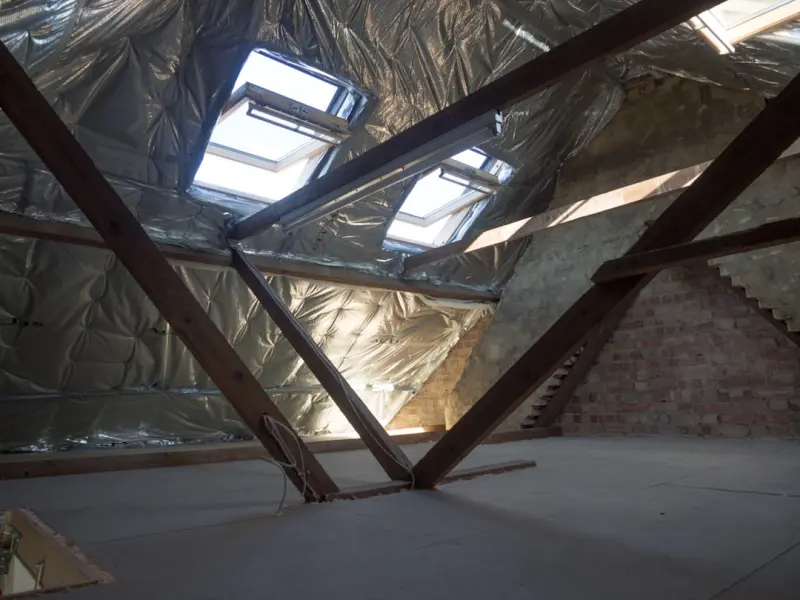
The Quiet Powerhouse: Reframing Insulation as a Strategic Business Lever
Insulation isn’t just a hidden wall layer—when paired with data and smart materials, it becomes ... Read More

Insulation Insights: Turning Your Home’s Skin Into a Smart, Sustainable Shield
Explore a fresh take on insulation that balances eco‑friendly materials, smart home integration, a... Read More
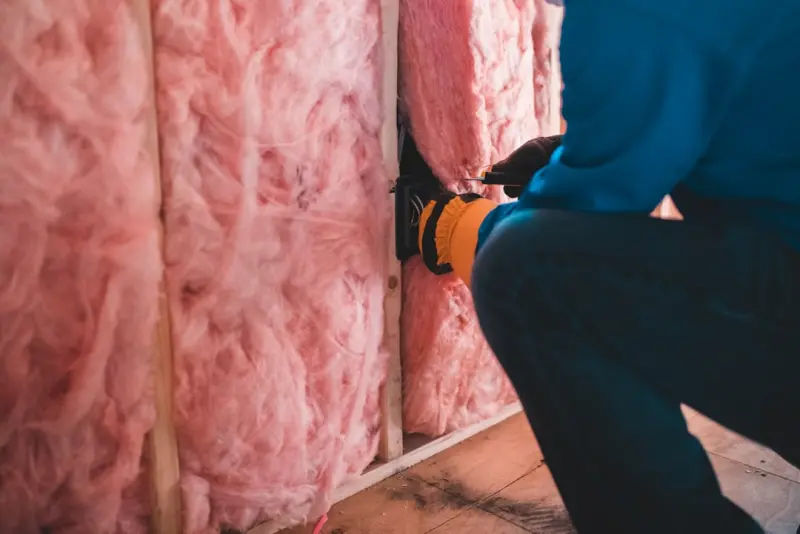
Insulation Reimagined: Turning Walls into Smart, Sustainable Energy Guardians
Insulation is evolving from a passive thermal barrier to an active, data‑rich, and sustainable bui... Read More
Top Posts
The Benefits of Sustainable Appliance Repair
Sustainable appliance repair can save you money and contribute to a more environmentally friendly home. Learn how to make your home more eco-friendly with pract...Read More

Foundation Care-as-a-Service: Predictable Structural Health
A new subscription model turns foundation repair from emergency fixes into predictable, data‑driven maintenance, offering cost stability, reduced downtime, an...Read More

Digital Twins and Modular Strategies: The Next Leap for General Contractors
Digital twins paired with modular construction are reshaping general contracting, offering real‑time supply‑chain insight, predictive safety, and smarter pr...Read More
Turning Scraps into Signature Pieces: A Woodworker’s Journey with Reclaimed Materials
Explore the art of transforming reclaimed timber into beautiful, sustainable furniture. Follow expert tips on sourcing, prepping, designing, and finishing timel...Read More
0 Comments
Post Comment
You will need to Login or Register to comment on this post!