
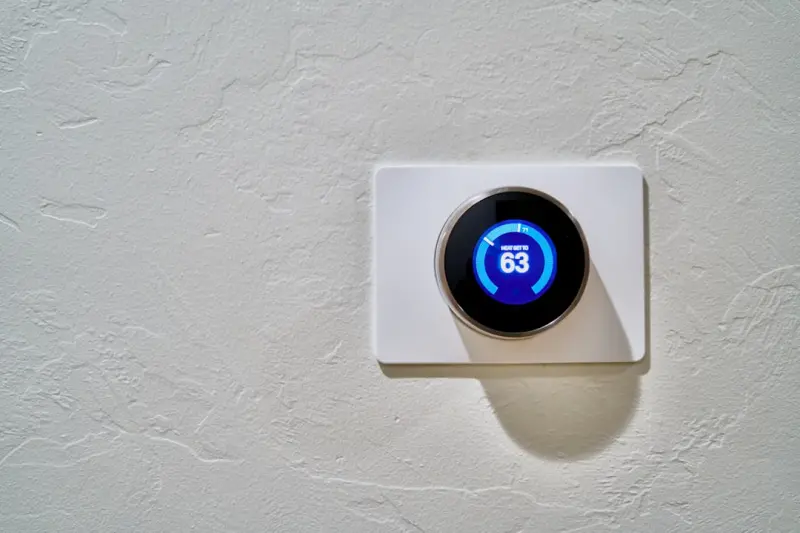
Why the Smart Thermostat Is No Longer a Luxury, It’s a Necessity
When I first started tinkering with home comfort systems, the thermostat was a simple dial—nothing more than a mechanical device that turned the furnace on and off at preset temperatures. Fast forward a decade, and that humble dial has morphed into a data‑driven, cloud‑connected hub that knows not only when you’re home, but also how the sun moves across your windows, how humidity fluctuates in your basement, and even what the grid’s carbon intensity looks like at any given moment. This evolution isn’t just about convenience; it’s about reclaiming agency over energy bills, indoor health, and the planet.
The Hidden Energy Drain: “Set‑and‑Forget” Gone Wrong
Most homeowners still treat thermostats like a set‑and‑forget button. They crank the heat up to 72°F in winter and then leave it there, oblivious to the fact that a well‑insulated, airtight home can maintain comfort with a much lower baseline. The problem isn’t the heating system itself—it’s the lack of dynamic control. Traditional thermostats ignore factors like solar gain, occupancy patterns, and real‑time electricity pricing. The result? You’re paying for heat you never actually need, and you’re missing out on opportunities to shift load to off‑peak hours when renewable energy is most abundant.
Enter Predictive Zoning: The Future of Comfort
Modern smart thermostats pair with wireless zone sensors that communicate temperature, humidity, and motion data back to a central hub. The hub runs machine‑learning algorithms that predict when rooms will be occupied, how external weather will affect internal loads, and when the HVAC system can safely coast without sacrificing comfort. This is what I call predictive zoning. It transforms a one‑size‑fits‑all heating strategy into a nuanced, room‑by‑room choreography that keeps you cozy where you need it and conserves energy where you don’t.
Connecting the HVAC to the Grid: Demand‑Response Made Simple
Utility companies are increasingly offering demand‑response programs that reward customers for reducing load during peak periods. A smart thermostat can automatically lower the heating setpoint by a few degrees during a grid‑stress event and then restore comfort once the strain eases. This not only slices your bill—often through direct credits—but also reduces the need for fossil‑fuel peaker plants, nudging the grid toward cleaner sources. Think of your thermostat as a personal energy coach that whispers, “Let’s chill a bit now, and you’ll thank me later.”
Health Benefits Beyond Temperature
While many focus on temperature, the thermostat’s influence on air quality synergy is profound. Smart HVAC systems can adjust ventilation rates based on indoor humidity and CO₂ levels, ensuring fresh air without over‑drying the space. Proper humidity control (ideally 40‑60%) mitigates mold growth, reduces static electricity, and eases respiratory issues. The thermostat becomes the conductor of a healthy indoor climate orchestra, balancing heat, fresh air, and moisture in real time.
Retrofitting Historic Homes Without Breaking Their Soul
Older houses often come with charming quirks—high ceilings, thick plaster, and original woodwork—that make blanket heating solutions inefficient. The temptation is to slap a massive furnace on the whole building, but that can damage historic fabric and spike energy use. By installing a smart thermostat alongside discreet, low‑profile zone sensors, you can tailor heating to the unique thermal mass of each room. This approach respects the architectural integrity while delivering modern efficiency. For those working on heritage properties, see how modern solutions for historic homes can guide your retrofit strategy.
DIY vs. Professional Installation: When to Call in the Experts
Many homeowners feel confident swapping out an old mechanical thermostat for a Wi‑Fi model. While the installation is often straightforward—turn off power, remove the old unit, connect the wires, and mount the new device—there are scenarios where a professional touch is essential. If your HVAC system includes multiple stages, variable‑speed fans, or integrated heat‑pump cooling, a mis‑wired thermostat can cause short cycling, reduced efficiency, or even system damage. A qualified technician can also calibrate the sensor array, verify the wiring diagram, and ensure the thermostat’s firmware is correctly paired with any ancillary devices like smart vents or air purifiers.
Future‑Proofing: The Role of Open Standards
One of the biggest pitfalls of early smart thermostat models was the reliance on proprietary ecosystems. Today, manufacturers are gravitating toward open protocols such as Matter, Zigbee, and Thread. This shift means your thermostat can speak fluently with a broader array of devices—smart blinds, occupancy sensors, even solar inverters—without being locked into a single brand’s silo. Open standards also future‑proof your investment, ensuring that as new innovations emerge, they can be seamlessly integrated into your existing comfort network.
Practical Tips to Maximize Your Smart Thermostat’s ROI
- Start with a baseline audit. Use the thermostat’s built‑in energy report to identify the hours when heating demand spikes. Adjust schedules incrementally rather than making drastic changes.
- Leverage geofencing. Enable the app’s location‑aware feature so the system knows when you’re on the way home and can begin pre‑heating just in time.
- Integrate with humidity sensors. If your home tends to be dry in winter, pair a hygrometer to trigger the humidifier only when needed.
- Participate in utility demand‑response. Sign up for your local program to earn rebates while contributing to grid stability.
- Maintain your HVAC. Clean filters, schedule seasonal tune‑ups, and ensure ductwork is sealed to let the thermostat’s intelligence shine.
Looking Ahead: AI‑Powered Climate Management
What’s next after predictive zoning? Imagine an AI that not only anticipates your comfort preferences but also forecasts weather patterns, electricity market prices, and even your personal schedule based on calendar data. This “climate concierge” would dynamically adjust setpoints, direct supplemental heat from solar‑powered floor mats, and coordinate with battery storage to smooth out demand. While still in early development, the foundation is already laid by today’s smart thermostats—every data point you generate feeds the model that will eventually make your home proactively comfortable.
Final Thoughts: Your Thermostat Is More Than a Switch
In the grand narrative of home technology, the thermostat has emerged from a background role to become a central protagonist. It’s the nexus where energy economics, indoor health, historic preservation, and cutting‑edge AI intersect. By embracing its full potential—through predictive zoning, grid integration, open standards, and thoughtful retrofits—you’re not just saving a few dollars on your utility bill; you’re championing a smarter, healthier, and more sustainable way of living.

David MacKinnon is a dynamic freelance writer known for his captivating storytelling and keen insights into the world of technology. With a passion for exploring the intersection of innovation and everyday life, he crafts engaging narratives that not only inform but also inspire his readers.
Related Posts
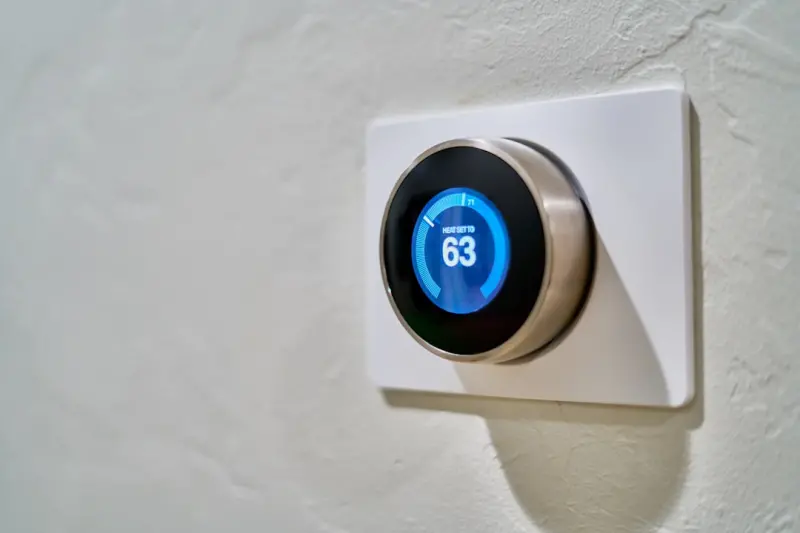
How Smart HVAC Choices Protect Your Health and Wallet
A fresh look at HVAC: learn why smart thermostats, zoning, and regular maintenance safeguard health,... Read More
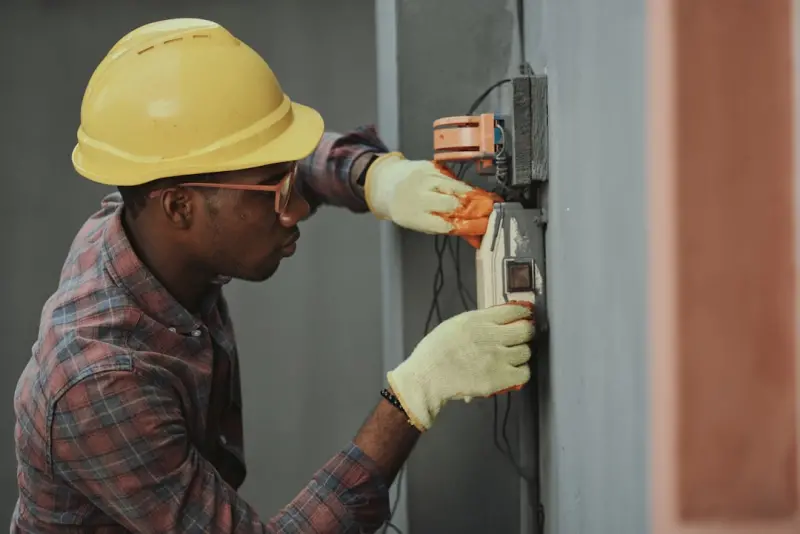
Predictive Maintenance for HVAC: Harnessing AI to Keep Buildings Comfortable
Predictive maintenance uses sensors and AI to forecast HVAC failures before they happen, delivering ... Read More

Turning HVAC Into a Predictive Profit Engine
Predictive maintenance turns HVAC from reactive repairs into a revenue driver. Learn how sensors, di... Read More
Top Posts

Why Energy Inspections Are Crucial For A Sustainable Future
Energy inspections play a vital role in reducing our carbon footprint and promoting sustainability. Learn why energy inspections are essential for homeowners, b...Read More

The Veteran’s Guide to Sustainable Mold Removal and Prevention
Discover how to detect, safely remove, and prevent mold using green methods and expert insights, ensuring a healthier, more sustainable home environment....Read More

The Ultimate Renovation Checklist: From Vision to Victory
A comprehensive, printable renovation checklist guides homeowners from setting clear goals and budgeting to securing permits, hiring the right pros, integrating...Read More
When Countertops Shape Mood: Designing for Wellness in Commercial Spaces
Countertops do more than hold dishes—they influence touch, sight, and sound. This post reveals how thoughtful material choices, biophilic elements, and acoust...Read More
0 Comments
Post Comment
You will need to Login or Register to comment on this post!