
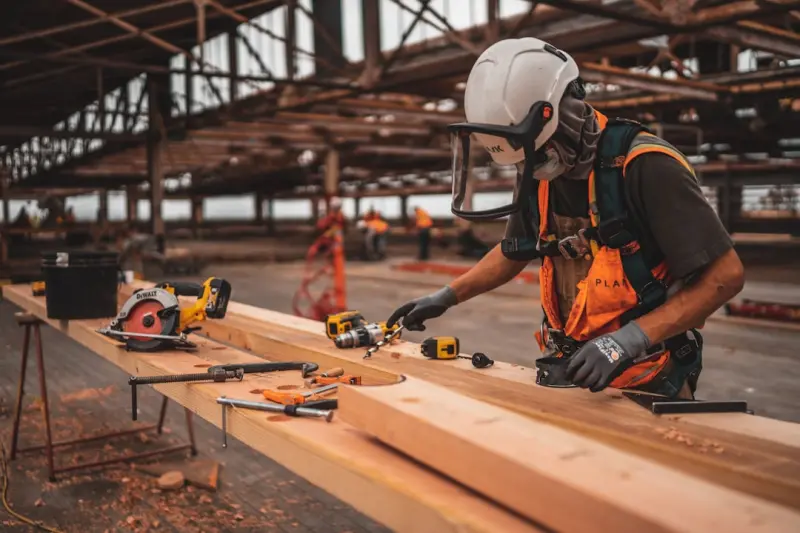
Rethinking Construction with Digital Twins
In today’s fast‑paced building arena, the traditional “paper‑and‑pencil” workflow is giving way to immersive, data‑driven models that can predict outcomes before a single brick is laid. Digital twin technology—a real‑time, virtual replica of a physical project—offers contractors a panoramic view of every structural element, material flow, and schedule milestone, allowing decision‑makers to interrogate the model as if it were the actual site. By aligning design intent with on‑ground realities, firms can move from reactive problem‑solving to proactive optimization, slashing waste and boosting client confidence.
From Concept to Mirror Image: What a Digital Twin Is
A digital twin is more than a static 3D model; it fuses Building Information Modeling (BIM) data, sensor feeds, and project management metrics into a living simulation that updates as construction progresses. This convergence creates a feedback loop where deviations—such as a delayed delivery of steel or a variance in concrete curing temperature—are instantly reflected in the virtual environment, prompting corrective actions before costs spiral. The result is a transparent platform where owners, architects, and subcontractors can all see the same truth, reducing the “telephone game” effect that often plagues large‑scale builds.
Marrying BIM, IoT, and AI for Seamless Coordination
When a digital twin is anchored to a robust BIM framework and supplemented by Internet‑of‑Things (IoT) sensors, the model becomes a predictive engine rather than a passive record. AI algorithms ingest historical project data, weather forecasts, and material lead times to generate risk scores for each activity, enabling the general contractor to re‑sequence work on the fly. This synergy not only streamlines coordination among trades but also provides a quantifiable basis for negotiating change orders, because every shift is logged, visualized, and justified within the twin.
Driving Down Risk and Enhancing Cost Predictability
One of the most compelling arguments for adopting digital twins lies in their ability to surface hidden risks early enough to mitigate them cost‑effectively. For example, by simulating load paths in the virtual model, engineers can identify overstressed beams before they are fabricated, averting costly rework on site. Moreover, the real‑time cost dashboard linked to the twin tracks labor hours, equipment utilization, and material consumption against the budget, flagging overruns the moment they appear. This level of granularity transforms contingency planning from a guess‑work exercise into a data‑backed strategy.
Integrating Prefabricated Modules for Faster Delivery
When digital twins intersect with prefabricated modular construction, the speed gains are exponential. The twin can schedule factory‑built modules down to the minute, aligning crane lifts with site readiness and ensuring that each prefabricated component arrives just‑in‑time, minimizing on‑site storage and handling. This orchestration not only shortens the critical path but also reduces exposure to weather‑related delays, a perennial headache for contractors. By visualizing the modular assembly sequence within the twin, project teams can rehearse complex joins virtually, smoothing out clashes before they ever materialize on the ground.
Elevating Collaboration Across Trades
Traditional construction often suffers from siloed communication, where electricians, plumbers, and framers work off divergent drawings, leading to rework. A digital twin serves as a common language, allowing each trade to overlay its specific installations onto the shared model and instantly see where interferences exist. Real‑time clash detection empowers the general contractor to convene virtual coordination meetings, where issues are resolved collaboratively rather than after costly on‑site discovery. This collaborative fabric not only accelerates the schedule but also cultivates a culture of shared ownership among all stakeholders.
Overcoming Adoption Barriers: Training and Data Governance
While the promise of digital twins is alluring, many firms balk at the perceived complexity of implementation, citing steep learning curves and data security concerns. To bridge this gap, contractors should invest in targeted upskilling programs that demystify the twin’s interface and demonstrate tangible ROI through pilot projects. Equally important is establishing clear data governance policies that define who can edit, view, and export model information, protecting intellectual property while fostering transparency. By treating the twin as a strategic asset rather than a fleeting tech trend, firms can embed it into their standard operating procedures and reap long‑term benefits.
Looking Ahead: The Future Blueprint for General Contractors
The next wave of construction will likely see digital twins integrated with augmented reality (AR) headsets, allowing foremen to walk through the virtual site while physically on location, instantly comparing planned versus actual conditions. Coupled with advances in adaptive materials—such as the adaptive masonry techniques that respond to environmental loads—the twin will become a decision‑making hub that not only predicts but also prescribes optimal construction methods. For general contractors willing to invest in this holistic ecosystem, the payoff will be a more resilient, efficient, and client‑centric business model that sets a new industry benchmark.

Craig Brett is a freelancer with a passion for the outdoors. His love for nature inspires his work, bringing authentic and engaging perspectives to projects related to outdoor activities, adventure, and environmental topics.
Related Posts
Digital Twins and Modular Strategies: The Next Leap for General Contractors
Digital twins paired with modular construction are reshaping general contracting, offering real‑ti... Read More

The Rise of Sustainable General Contracting: A New Era for Builders and Homeowners
Sustainable general contracting is on the rise, driven by growing concerns about climate change, ene... Read More
Reimagining the General Contractor’s Playbook: Collaboration, Tech, and Risk Mastery
General contractors are moving beyond traditional blueprints, leveraging integrated project delivery... Read More
Top Posts

Weatherproofing Your Home Without Sacrificing Style: A Practical Guide
Discover a comprehensive, design‑forward approach to weatherproofing that blends smart materials, integrated sensors, and strategic landscaping, ensuring your...Read More

Embracing Sustainable DIY Home Repairs for a Greener Tomorrow
Make a positive impact on the environment by embracing sustainable DIY home repairs. Learn how to choose eco-friendly materials, energy-efficient solutions, and...Read More

How Corporate Campuses Can Turn Tree Care Into a Competitive Edge
A deep dive into turning routine tree maintenance into a data‑driven, ESG‑friendly, cost‑saving strategy that enhances brand reputation and employee healt...Read More

Breathing New Life into Vintage Homes: A Hands‑On Restoration Journey
A seasoned restoration specialist shares a step‑by‑step roadmap for reviving historic homes, balancing preservation of original character with modern energy...Read More
0 Comments
Post Comment
You will need to Login or Register to comment on this post!