
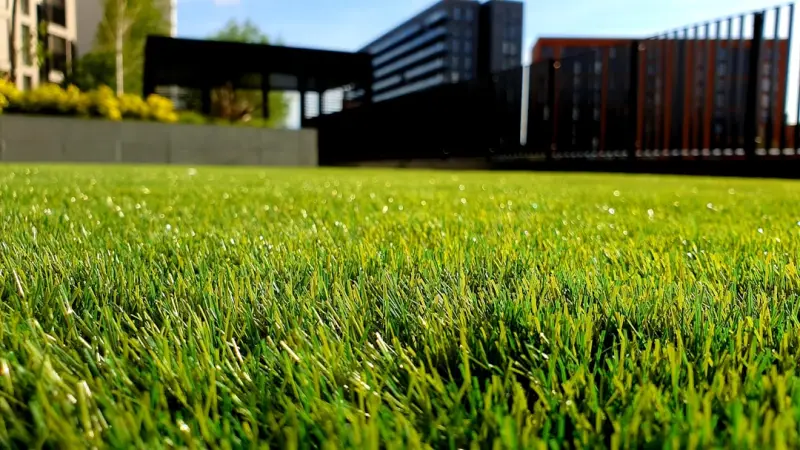
When you walk across a freshly mowed lawn, the immediate impression is often one of neatness and order. But what if that same patch of green could also serve as a thriving habitat, a natural water‑filter, and a subtle climate regulator for your property? In this post I’ll walk you through how to redesign your ordinary lawn into a biodiverse, resilient ecosystem—without sacrificing the curb appeal that makes your building look polished. Think of it as a strategic upgrade: you keep the aesthetic you love while unlocking hidden environmental and economic benefits.
Why the Traditional Monoculture Lawn Is Outdated
The classic “lawn” has been a cultural staple for centuries, yet it is essentially a monoculture: a single species of grass, often heavily fertilized and watered, with little consideration for soil health or local wildlife. This approach comes with hidden costs:
- Water waste: Traditional lawns can consume up to 30 % of a property's outdoor water use, especially in regions with hot summers.
- Chemical runoff: Over‑application of synthetic fertilizers and pesticides leaches into storm drains, degrading nearby waterways.
- Loss of biodiversity: A sea of uniform blades offers little food or shelter for pollinators, beneficial insects, or ground‑nesting birds.
Switching to a biodiverse lawn isn’t just an eco‑friendly fad; it’s a pragmatic response to rising water costs, stricter environmental regulations, and the growing demand from tenants and employees for greener workplaces.
Step 1: Conduct a Soil Health Audit
The foundation of any resilient lawn is healthy soil. Start by taking a handful of soil and feeling its texture. If it crumbles easily, you have good organic matter. If it feels compacted and clods, you’ll need to improve structure. A simple soil test (available through most agricultural extensions) will tell you the pH, nutrient levels, and presence of contaminants. Armed with that data, you can make informed decisions about amendments—think compost, biochar, or gypsum—to boost microbial activity.
For those who love data‑driven approaches, consider integrating predictive maintenance principles into your lawn care schedule. By tracking moisture, temperature, and foot traffic patterns, you can anticipate wear zones and intervene before a patch turns brown.
Step 2: Choose the Right Mix of Grasses and Native Forbs
Rather than a single grass species, blend low‑maintenance grasses with native forbs (wildflowers, clovers, and sedges). This mixture creates a layered canopy that:
- Improves drought tolerance—different species tap into moisture at varying depths.
- Provides nectar sources for bees and butterflies.
- Reduces the need for fertilizer; legumes fix nitrogen naturally.
In many temperate zones, a combination of fine fescue, Kentucky bluegrass, and white clover works beautifully. If you’re in a warmer climate, consider buffalo grass or zoysia paired with native wildflowers like coneflowers or black-eyed Susans. The key is to select plants that are adapted to your local climate, which minimizes irrigation and chemical inputs.
Step 3: Implement Smart Irrigation Systems
One of the most transformative tools for modern lawn care is a smart irrigation controller. These devices pull real‑time weather data, soil moisture readings, and even evapotranspiration rates to water only when necessary. Pair the controller with moisture sensors placed at varying depths to capture a true picture of soil water availability.
When you install a system like this, you’ll notice an immediate reduction in water bills—often 30 % or more. Moreover, you can set up zones that correspond to high‑traffic areas (like walkways) and low‑traffic zones (such as meadow‑style sections), ensuring each part of the lawn receives the optimal amount of water.
Step 4: Integrate Micro‑Habitats
A biodiverse lawn is more than just plants; it’s a stage for insects, birds, and small mammals. Create micro‑habitats to encourage these allies:
- Pollinator gardens: Dedicate a corner of the lawn to a dense planting of native wildflowers that bloom sequentially throughout the season.
- Rock piles and log shelters: These provide refuge for beetles, spiders, and amphibians, which in turn help control pest populations.
- Bird‑friendly zones: Install low‑profile birdbaths or seed‑filled feeders near the lawn edge to attract granivorous birds that prey on lawn‑damaging insects.
These features not only enhance biodiversity but also serve as educational touchpoints for employees and visitors, showcasing the property’s commitment to sustainability.
Step 5: Adopt a Low‑Input Maintenance Regime
Traditional lawn care often relies on weekly mowing, heavy fertilizer applications, and chemical weed control. A biodiverse lawn can thrive on a lighter touch:
- Mowing frequency: Reduce mowing to once every 2‑3 weeks, and raise the blade height to 3–4 inches. Taller grass shades the soil, conserves moisture, and promotes deeper root growth.
- Organic fertilization: Apply a thin layer of compost in spring and fall. The organic matter feeds soil microbes, which in turn nourish the plants.
- Weed management: Encourage a dense plant canopy; a thick lawn naturally suppresses weeds. For persistent invaders, use spot‑treatments with vinegar or hand pulling rather than blanket herbicide sprays.
By shifting to this low‑input routine, you cut labor costs and reduce chemical exposure—both of which are appealing metrics for corporate sustainability reporting.
Step 6: Leverage Data for Continuous Improvement
Just as smart buildings use continuous monitoring, a forward‑thinking lawn can benefit from a feedback loop. Install a few inexpensive IoT soil sensors and connect them to a dashboard that tracks:
- Soil moisture trends across different zones.
- Temperature fluctuations that affect growth cycles.
- Foot traffic density, using pressure pads or camera analytics.
Analyzing this data over time helps you fine‑tune irrigation schedules, anticipate stress periods, and schedule aeration or overseeding at the optimal moment. This data‑centric approach mirrors the principles outlined in continuous energy inspection, where real‑time insights drive savings.
The Business Case: ROI on a Biodiverse Lawn
Beyond the ecological perks, a biodiverse lawn can deliver a measurable return on investment:
- Water savings: Smart irrigation paired with drought‑tolerant plant mixes can slash water use by up to 40 %.
- Reduced maintenance costs: Fewer mowing passes, lower fertilizer bills, and less reliance on chemical weed control translate to labor and material savings.
- Enhanced property value: Properties with green certifications or visible sustainability initiatives often command premium lease rates.
- Employee wellness: Access to greener outdoor spaces has been linked to increased productivity, lower stress, and higher job satisfaction—a compelling point for HR and facilities teams.
When you quantify these benefits, the initial investment in soil amendments, native planting, and smart irrigation often pays for itself within three to five years.
Case Study Snapshot: A Corporate Campus Transformation
One mid‑size tech firm in the Pacific Northwest replaced its 2‑acre traditional lawn with a mixed‑species meadow. They installed a smart controller linked to five soil sensors and added bee‑friendly wildflower strips. Within the first season, water use dropped by 35 %, and the grounds crew reported a 25 % reduction in labor hours dedicated to lawn care. Employee surveys showed a 12 % uptick in satisfaction with outdoor amenities, and the company earned a “Green Facility” award from the local chamber of commerce.
Getting Started: A Quick Action Checklist
- Perform a soil test and map out existing pH and nutrient levels.
- Select a blend of low‑maintenance grasses and native forbs suited to your climate.
- Install a smart irrigation controller with zone‑specific moisture sensors.
- Design and place micro‑habitats—pollinator beds, rock piles, and bird feeders.
- Adjust mowing schedules to longer cut heights and reduce frequency.
- Set up a simple data dashboard to monitor soil moisture and foot traffic.
- Review water bills and maintenance logs quarterly to track ROI.
By following these steps, you’ll transform an ordinary lawn into a living asset that supports your sustainability goals, reduces operational costs, and creates a healthier environment for everyone who steps onto the grass.

When it comes to the world of blogging and writing, Rose DesRochers is a name that stands out. Her passion for creating quality content and connecting with her audience has made her a trusted voice in the industry. Aside from her skills as a writer and blogger, Rose is also known for her compassionate nature.
Related Posts

Sustainable Lawn Care Secrets from a Veteran Contractor
Learn how a seasoned contractor transforms ordinary lawns into sustainable, low‑maintenance landsc... Read More

The Importance of Sustainable Lawn Care Practices
Sustainable lawn care practices are essential for promoting a healthy and resilient lawn while prote... Read More

The Intersection of Lawn Care and Sustainable Home Design
As a homeowner, maintaining a lush and vibrant lawn can be a point of pride. However, traditional la... Read More
Top Posts
Beyond the Hangers: Crafting a Closet System That Works With Your Life
A deep dive into designing a functional, personalized closet that aligns with daily habits, seasonal rotation, and future flexibility, turning storage into a su...Read More

Why Emotional Intelligence Is the Next Frontier for Home Alarm Systems
Home alarm systems are evolving from loud, reactive devices to empathetic, context‑aware allies. Discover how AI, behavioral analytics, and privacy‑first de...Read More

The Hidden Playbook for Long‑Term Mold Prevention
A step‑by‑step guide reveals how moisture control, ventilation, smart material choices, and ongoing monitoring combine to stop mold before it spreads....Read More
Designing Sensory and Edible Gardens: A Holistic Landscape Blueprint
Explore a holistic approach to landscaping that engages all five senses, blends edible plants with aesthetics, and incorporates sustainable practices for a gard...Read More
0 Comments
Post Comment
You will need to Login or Register to comment on this post!