
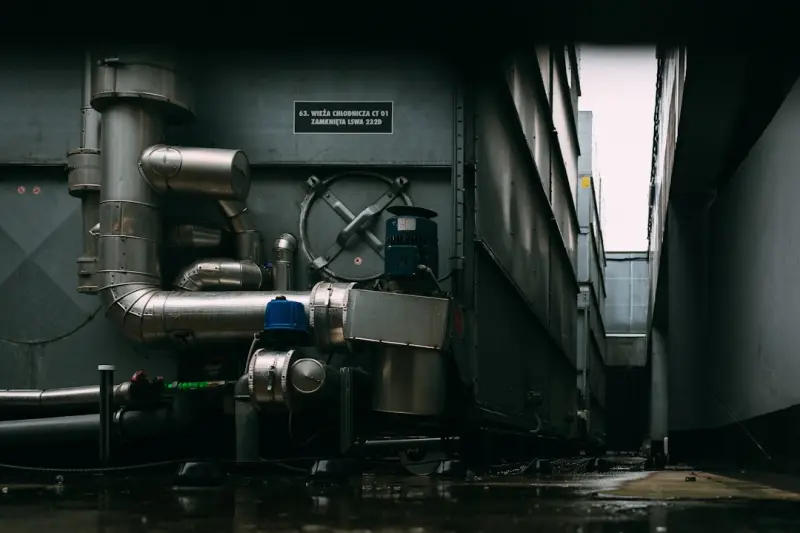
The Invisible Highway in Your Home
Most homeowners never stop to think about the network of metal tubes that snake behind walls and ceilings, quietly ferrying conditioned air from the furnace to every room; this hidden conduit system, known as the ductwork, is essentially the invisible highway of indoor comfort, and its condition directly influences temperature consistency, humidity control, and energy efficiency. Over time, dust, pollen, pet dander, and even microscopic mold spores settle onto the interior surfaces, forming a thin but stubborn layer that can turn a sleek airflow into a sluggish drag, forcing your HVAC unit to work harder and spike utility bills. While a quick glance at a vent grille might reveal a cloud of dust, the reality is that the buildup can be several inches deep within the ducts themselves, hidden from sight yet powerful enough to compromise the air you breathe. Understanding this concealed infrastructure is the first step toward proactive care, and it frames why a regular cleaning schedule is as essential as changing filters.
When Dust Becomes a Health Hazard
In the age of heightened awareness about indoor air quality, the fine particles that accumulate in ductwork are no longer a mere nuisance; they are a vector for allergens, irritants, and even pathogens that can exacerbate asthma, trigger seasonal allergies, and contribute to chronic respiratory issues, especially for children and seniors who spend the majority of their time indoors. Studies have shown that dust-laden ducts can circulate contaminants throughout the home, depositing them on furniture, bedding, and even food surfaces, creating a feedback loop of exposure that can undermine even the most diligent cleaning routines elsewhere. Moreover, when moisture finds its way into the ducts—through condensation, leaks, or high humidity—it can foster the growth of mold colonies that release spores into the airflow, a scenario that can quickly turn a simple dust problem into a full-blown health crisis. By treating duct cleaning as a preventative health measure rather than a cosmetic upgrade, homeowners can protect vulnerable family members and reduce reliance on air purifiers or medication.
The Tell‑Tale Signs Your Ducts Are Crying Out
While the ducts themselves are hidden, the symptoms of neglect manifest in obvious ways: persistent dust on surfaces despite regular vacuuming, uneven room temperatures that make one side of the house feel like a freezer while the other feels like a sauna, and an inexplicable increase in energy bills that outpaces any recent upgrades or changes in usage patterns. A subtle but telling indicator is the presence of a musty or stale odor whenever the system kicks on, a scent that often points to microbial growth lurking in the insulated folds of the duct lining. Additionally, if you notice a sudden uptick in allergy symptoms—sneezing, watery eyes, or a persistent cough—particularly after the HVAC system has been running for a while, it may be time to suspect that the airflow is delivering a cocktail of irritants straight to your lungs. Recognizing these signals early allows you to schedule a cleaning before the problem escalates into costly repairs or health emergencies.
Seasonal Timing: Why Spring and Fall Matter
Choosing the right moment to schedule a duct cleaning can amplify its benefits, and the transitional seasons of spring and fall provide the ideal window because they coincide with natural changes in humidity and temperature that can mobilize trapped particles, making them easier to extract. In spring, as outdoor pollen levels rise, a clean duct system prevents these allergens from being drawn inside and distributed throughout the home, while in fall, the cooling of the exterior air helps reduce condensation inside the ducts, limiting the risk of mold growth during the damp winter months. Coordinating cleaning with your routine HVAC maintenance—such as filter replacement or system inspection—creates a synergistic effect, ensuring that the entire air handling unit operates at peak efficiency when the demand for heating or cooling is moderate, thereby extending the lifespan of both the furnace and the ducts themselves. Aligning with these seasons also means you avoid the rush periods of summer and winter, often securing better pricing and more flexible appointment slots.
DIY Inspection Tips Before You Call a Pro
Before you hand over the keys to a professional, a quick DIY inspection can give you a clearer picture of the duct condition and help you communicate specific concerns, saving time and money. First, turn off the HVAC system and open a vent in the farthest room from the furnace; if you feel a strong, dusty gust when the system restarts, it suggests a significant buildup inside. Next, use a flashlight to peer into the visible sections of the ductwork—any visible mold growth, excessive debris, or water stains should be noted. Finally, check the return air grille for signs of dust accumulation; a thick layer indicates that particles are not being effectively filtered and are likely recirculating. Armed with these observations, you can ask targeted questions when you contact a service provider, such as how they handle mold remediation and whether they employ HEPA‑grade vacuums, ensuring you receive a thorough and transparent service.
Choosing the Right Professional (Avoiding Scams)
Not all duct cleaning companies operate with the same level of integrity, and the market is rife with vague promises and low‑ball quotes that can lead to half‑finished jobs or even damage to the duct system. Look for firms that adhere to the standards set by reputable industry organizations, such as the National Air Duct Cleaners Association (NADCA), and request proof of certification before signing a contract; certified technicians are trained to disassemble duct components safely, inspect for hidden damage, and reassemble them without compromising airflow. Additionally, reputable companies will provide a detailed, itemized estimate that outlines labor, equipment, and any ancillary services like sealant application or mold treatment, rather than a one‑size‑fits‑all price. As you evaluate options, consider reading recent reviews and asking for references from homeowners who have completed similar projects; a trustworthy provider will welcome transparency and be willing to explain the entire process from start to finish, ensuring you feel confident in the investment.
What Happens Inside the Cleaning Process
When a qualified crew arrives, the cleaning sequence typically begins with a comprehensive assessment, where they inspect the entire duct layout, identify any damaged sections, and take note of the type of insulation present, because certain materials require specialized handling to avoid fire hazards. The next step involves the use of high‑powered, negative‑pressure vacuums equipped with HEPA filters that pull dust, debris, and microbial spores out of the ducts while preventing them from re‑entering the indoor environment; these vacuums are often paired with rotating brush heads that dislodge stubborn buildup from the inner walls. In cases where mold is detected, a targeted antimicrobial treatment is applied, followed by a thorough rinse and drying phase to ensure no moisture remains that could reignite growth. Finally, technicians may apply a sealant to the seams and joints of the ductwork, a step that improves system efficiency by reducing air leaks and helps keep future contaminants at bay, delivering a lasting impact that goes beyond a single cleaning.
Long‑Term Benefits Beyond Air Quality
While the most obvious advantage of duct cleaning is fresher, cleaner air, the ripple effects extend to energy savings, equipment longevity, and even property value; a system that no longer battles clogged pathways consumes less electricity, often translating to a noticeable reduction in monthly utility bills, especially during peak heating or cooling periods. Moreover, the reduced strain on the furnace or air conditioner diminishes wear and tear, delaying the need for expensive repairs or premature replacement—a cost‑benefit that can be quantified over years of operation. For homeowners planning to sell, a documented duct cleaning can serve as a selling point, reassuring prospective buyers that the indoor environment has been maintained responsibly, which can enhance marketability and potentially fetch a higher price. In essence, a well‑kept duct system acts as an invisible yet powerful ally, supporting comfort, health, and financial prudence in equal measure.
Integrating Duct Care Into Your Home Maintenance Routine
To make duct cleaning a seamless part of your overall home upkeep, treat it like any other seasonal service—schedule it on your calendar alongside filter changes, furnace inspections, and gutter clean‑ups, and set reminders a month in advance to allow time for research and quoting. Pair the cleaning with a holistic approach to indoor air quality by upgrading to high‑efficiency filters, sealing any noticeable gaps in the ductwork, and ensuring proper ventilation in moisture‑prone areas such as bathrooms and kitchens; these complementary actions amplify the benefits of each cleaning session and reduce the frequency of future visits. For those who enjoy a DIY mindset, routine checks—such as confirming that vents are unobstructed, cleaning vent covers, and monitoring humidity levels—can keep the system operating smoothly between professional cleanings. By embedding duct maintenance into your regular home care checklist, you create a proactive cycle that safeguards health, conserves energy, and preserves the comfort of your living spaces for years to come.

When it comes to the world of blogging and writing, Rose DesRochers is a name that stands out. Her passion for creating quality content and connecting with her audience has made her a trusted voice in the industry. Aside from her skills as a writer and blogger, Rose is also known for her compassionate nature.
Related Posts
Unlocking the ROI of Proactive Duct Hygiene for Commercial Spaces
A facility leader’s guide to turning duct cleaning from a reactive expense into a data‑driven in... Read More
The Sustainable Contractor’s Guide to Duct Cleaning: Why It Matters and How to Do It Right
A seasoned contractor shares sustainable duct cleaning strategies, debunking myths, linking to relat... Read More
Why Duct Cleaning Is the Unsung Hero of Healthy Buildings
Duct cleaning is often overlooked, yet it dramatically improves indoor air quality, cuts energy use,... Read More
Top Posts

Rethinking Home Security: A Human‑Centric, Smart Alarm Blueprint
A fresh look at home alarms: integrating smart tech, privacy safeguards, and family‑focused routines to turn protection into a seamless, everyday experience....Read More

Unlocking a Thriving Lawn with Soil Microbiomes and Smart Care
Learn to nurture the hidden ecosystem beneath your grass with soil tests, compost teas, and deep watering, turning a tired lawn into a thriving, sustainable gre...Read More

Quiet Zones: Turning Noise‑Heavy Offices into Productivity Hubs with High‑Performance Windows and Doors
A deep dive into how modern acoustic glass, sealed frames, and solid‑core doors can reduce office noise, enhance productivity, and align with sustainability g...Read More

Building Calm: How Mindful Woodworking Transforms Workspaces
Explore the transformative power of mindful woodworking, a practice that blends tactile craftsmanship with meditation to reduce stress, sharpen focus, and produ...Read More
0 Comments
Post Comment
You will need to Login or Register to comment on this post!