
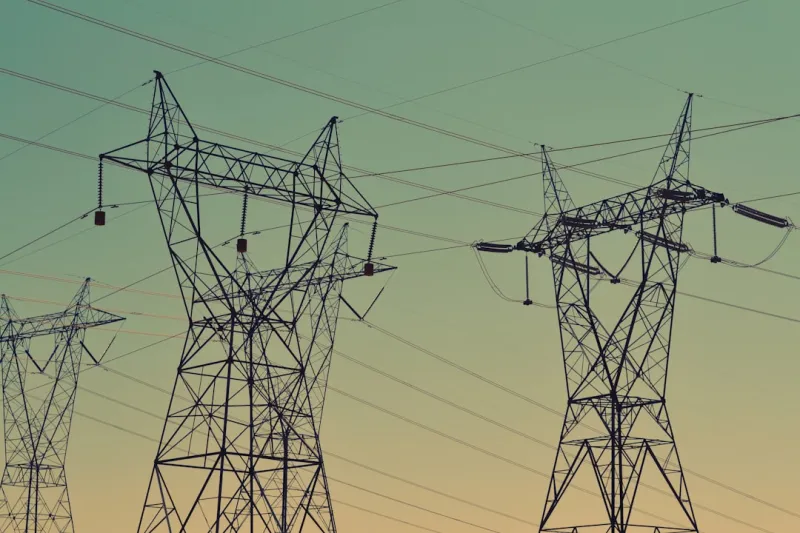
Why Energy Inspections Are the Unsung Heroes of Home Efficiency
When I first started swapping out leaky ducts for tighter seals, I quickly realized that the energy inspection is more than a checklist—it’s a diagnostic tool that uncovers hidden waste, spotlights performance gaps, and ultimately transforms a house into a lean, green machine; the moment a professional walks through your attic with a thermal camera, you can see temperature gradients that read like a heat map of opportunities, and each red hotspot becomes a promise of lower utility bills and a smaller carbon footprint, a promise that only materializes when the data is turned into actionable upgrades.
The Real Cost of Ignoring Air Leakage
Most homeowners underestimate how much uncontrolled air movement can drain their wallets, because the draft you feel around an old window frame is just the tip of an iceberg that silently steals heat in winter and cool air in summer; every cubic foot of conditioned air that escapes forces your furnace or AC to work harder, accelerating wear and raising maintenance costs, and when you finally commission a thorough blower door test, the results often reveal that even newer homes can lose up to 30% of their heating or cooling potential through gaps that are invisible to the naked eye.
Thermal Imaging: Seeing What the Thermostat Can’t Tell You
Thermal cameras have become the stethoscopes of the modern inspector, allowing us to visualize energy loss in vivid color, and when I point the device at an uninsulated rim joist, the bright orange plume that appears isn’t just a visual cue—it’s a quantifiable loss that can be mitigated with a few layers of spray foam or rigid board, a fix that typically pays for itself within a single heating season; by pairing these images with a detailed energy audit, homeowners can prioritize projects that deliver the highest return on investment while aligning with broader sustainability goals.
From Ductwork to Distribution: The Hidden Pathways of Waste
Even if your home’s envelope is airtight, poorly designed ductwork can act like a leaky pipe for air, delivering cool or warm air to unoccupied rooms, and I’ve seen cases where an oversized trunk line loses up to 25% of its output to the surrounding crawlspace; a comprehensive inspection will map out airflow, identify leaks with pressurization tests, and recommend corrective measures such as sealing, insulating, or even redesigning the layout to ensure that every breath of conditioned air reaches its intended destination efficiently.
Integrating Energy Inspection Findings with Sustainable Renovations
One of the most rewarding aspects of my work is weaving inspection data into broader green remodel plans, because the insights gained can guide everything from window upgrades to smart thermostat placement, and when a homeowner decides to pursue a larger project, the audit becomes the blueprint that ensures each improvement contributes to overall performance; for instance, after identifying thermal bridging on exterior walls, I often recommend the strategies outlined in The Smart Path to Sustainable Heating and Cooling, which align HVAC upgrades with the envelope enhancements revealed during the inspection.
Electrical Systems: The Overlooked Energy Drain
While most inspections focus on the building envelope, I’ve learned that outdated or improperly wired electrical components can silently sap power, especially when appliances draw phantom loads from standby modes; a modern audit now includes a review of panel capacity, breaker health, and the presence of smart load-management devices, and by aligning these findings with the guidance in Powering Sustainable Homes: Modern Electrical Practices for the Eco‑Conscious, homeowners can eliminate hidden consumption and position their homes for future renewable integrations.
Quantifying Savings: From Data to Dollars
The true power of an energy inspection lies in its ability to translate thermal signatures and airflow metrics into concrete financial forecasts, and I use specialized software to model seasonal savings based on recommended upgrades, allowing homeowners to see a projected payback period that often falls well under five years; this transparency not only builds confidence but also helps prioritize projects that align with budget constraints, ensuring that each dollar spent contributes to both immediate comfort and long‑term environmental stewardship.
Building Trust Through Transparency and Education
My clients consistently tell me that the most valuable part of an inspection is the education component, because understanding why a particular seam needs sealing or why a duct needs rebalancing empowers them to make informed decisions rather than reacting to surprise utility spikes; by providing clear reports, annotated thermal images, and actionable checklists, I turn a technical evaluation into a collaborative roadmap, fostering a partnership where sustainability becomes a shared journey rather than a one‑off fix.
Future‑Ready Homes: Preparing for Renewable Integration
Finally, an energy inspection is the foundation for future‑proofing a residence, because once inefficiencies are eliminated, the home is primed for renewable technologies such as solar PV, heat pumps, or micro‑wind turbines, and the clean, tight envelope ensures that generated energy is used effectively rather than lost through gaps; as the market shifts toward net‑zero aspirations, the inspection evolves from a diagnostic service into a strategic planning session that positions homeowners to capitalize on incentives, reduce grid dependence, and ultimately enjoy a resilient, low‑cost energy future.

Tom Ferguson is a Canadian freelance writer with a passion for storytelling, current events, and thoughtful commentary. Drawing on years of writing experience, he shares engaging insights on a wide range of topics, bringing a uniquely Canadian perspective to his work.
Related Posts
From Heat Maps to Digital Twins: The Next Evolution in Energy Inspection
A deep dive into how sensor‑rich envelopes, digital twins, AI, and drone thermography are reshapin... Read More
AI‑Powered Energy Inspection: Turning Heat Maps Into Continuous Savings
A deep dive into AI‑powered energy inspection shows how continuous thermal monitoring, edge comput... Read More
Energy Inspection Redefined: From Reactive Audits to Continuous Insight
A deep dive into turning energy inspection from periodic checks into a real‑time, predictive pract... Read More
Top Posts

Beyond the Walls: Hidden Insulation Opportunities to Maximize Home Comfort
I’ve uncovered the secret insulation zones most homeowners ignore—floor joists, attic hatches, and even hot water pipes. These simple tweaks can slash energ...Read More

Beyond the Spot: A Scientific Approach to Mold Removal
A data‑centric workflow transforms mold removal from a reactive clean‑up into a proactive, health‑focused strategy, using low‑cost sensors, smart materi...Read More

How Awnings Shape Customer Mood and Bottom Line
A well‑designed awning does more than shade a storefront—it influences shopper psychology, reinforces branding, and delivers measurable ROI through increase...Read More

Turning Home Inspection Findings into a Proactive Maintenance Roadmap
A home inspection is more than a one‑time checklist; it’s the foundation for a proactive maintenance strategy. Discover how to prioritize findings, integrat...Read More
0 Comments
Post Comment
You will need to Login or Register to comment on this post!