
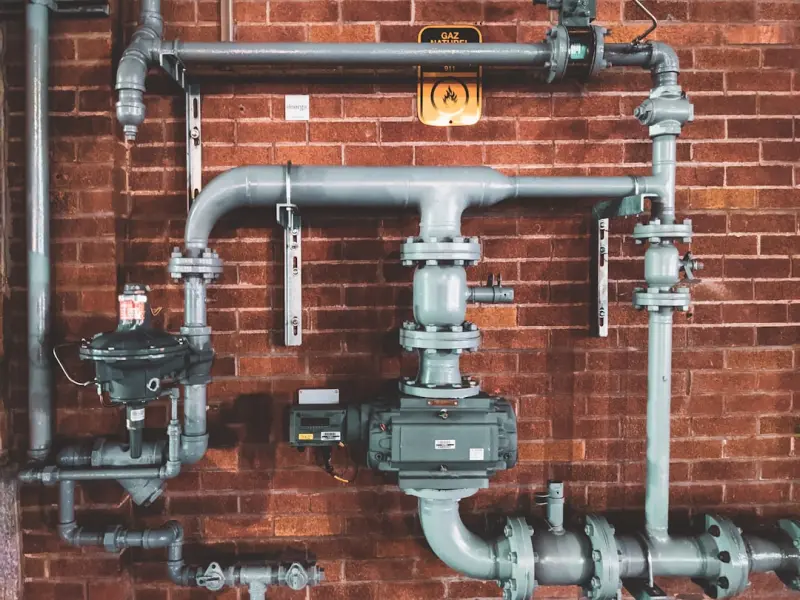
Why Subscription Plumbing Is the Smartest Move for Modern Buildings
When I first stepped onto a construction site fresh out of trade school, the idea of paying a monthly fee for a pipe was laughable. Fast forward a decade, and the conversation has flipped. Building owners, facilities managers, and even co‑working spaces are asking the same question I once dismissed: Can we outsource the health of our plumbing the way we outsource IT or security? The answer is a resounding yes, and the model that’s gaining traction is Subscription Plumbing – a service‑first approach that blends preventive maintenance, real‑time analytics, and predictable budgeting into one seamless package.
From Reactive Repairs to Proactive Partnerships
Traditional plumbing contracts are built around the reactive mindset: “Call us when the pipe bursts.” That mindset fuels emergency calls, rushed labor, and hidden costs that can cripple a facility’s bottom line. Subscription Plumbing flips the script. Instead of waiting for a failure, a service provider continuously monitors water flow, pressure, and temperature across the entire network. By leveraging IoT sensors and cloud‑based dashboards, potential issues are flagged long before a drop hits the floor.
Think of it as the plumbing equivalent of a health check‑up. Just as you wouldn’t wait until you’re in the ER for a heart issue, you shouldn’t wait for a pipe to rupture before taking action. The result? Fewer emergency dispatches, reduced water waste, and a predictable monthly expense that fits neatly into a facility’s operating budget.
How the Subscription Model Works
- Baseline Assessment: A certified plumber conducts a comprehensive audit, mapping every pipe, valve, and fixture. This creates a digital twin of the plumbing system, which serves as the foundation for ongoing monitoring.
- Sensor Deployment: Small, wireless sensors are installed at strategic points—main supply lines, high‑risk joints, and critical fixtures. These devices capture data on pressure spikes, temperature fluctuations, and flow irregularities.
- Data Analytics: Collected data streams to a secure cloud platform where AI algorithms detect patterns that indicate wear, corrosion, or impending blockage.
- Predictive Alerts: When the system predicts a potential failure, the service team receives a heads‑up and schedules a preventive intervention—often before anyone even notices a drop in performance.
- Monthly Service Bundle: The subscription fee covers routine inspections, sensor maintenance, software updates, and a set number of corrective actions each month. Additional services can be added à la carte.
This structure mirrors the AI‑driven collaboration seen in design‑build projects, but applies it to the invisible veins that keep a building alive. The synergy between human expertise and machine intelligence is where the magic happens.
Financial Predictability Meets ESG Goals
One of the most compelling arguments for subscription plumbing is the financial clarity it provides. Instead of sporadic, high‑ticket emergency repairs, facilities can allocate a fixed line item each month. This predictability simplifies cash‑flow management and eliminates the dreaded “water damage surprise” on the balance sheet.
Beyond the numbers, the model aligns with ESG (Environmental, Social, Governance) initiatives. By detecting leaks early, water waste can be reduced dramatically—often by 20‑30% in large complexes. Reduced water consumption translates directly into lower utility bills and a smaller carbon footprint, a win‑win for both the bottom line and sustainability targets.
Case Study: A Co‑Working Campus Reduces Water Waste by 25%
Imagine a 150,000‑square‑foot co‑working campus with 500 individual office suites, each with its own kitchenette, bathroom, and coffee station. Prior to adopting a subscription model, the facility logged an average of 12 water‑related incidents per year, ranging from slow‑draining sinks to burst pipes that caused costly downtime.
After a six‑month pilot:
- Leak detection alerts reduced emergency calls by 80%.
- Predictive valve replacements cut pipe‑burst incidents in half.
- Overall water consumption dropped from 1,200,000 gallons annually to 900,000 gallons—a 25% reduction.
- Monthly plumbing spend stabilized at $4,500, compared to an erratic $12,000‑plus in previous emergency repairs.
The success story underscores how subscription plumbing can transform a liability into an asset, delivering both cost savings and operational resilience.
Technology Stack: Sensors, Cloud, and Human Insight
The backbone of any subscription plumbing program is the technology that makes real‑time monitoring possible. Below is a quick snapshot of the typical stack:
- Pressure Transducers: Detect abnormal pressure that could indicate a blockage or pipe deformation.
- Flow Meters: Measure water usage at the fixture level, highlighting anomalies such as a running toilet.
- Temperature Probes: Spot sudden temperature drops that may signal a leak in cold water lines.
- Edge Computing Nodes: Perform preliminary data filtering on‑site, reducing bandwidth usage.
- Cloud Analytics Platform: Hosts machine‑learning models that learn the normal behavior of each system and flag deviations.
- Mobile Field App: Gives technicians instant access to alerts, schematics, and service history while on the job.
While the tech is impressive, it’s the human element that turns data into action. Skilled plumbers interpret alerts, prioritize tasks, and execute fixes with a level of nuance that algorithms alone can’t replicate. This hybrid approach mirrors the tool hygiene philosophy—maintaining both the digital and physical tools ensures reliability.
Addressing Common Concerns
“What if the sensors fail?” Redundancy is built into every deployment. Sensors are paired, and critical points have backup devices that kick in automatically. Moreover, regular firmware updates are part of the subscription service.
“Is the data secure?” All data is encrypted in transit and at rest, adhering to industry standards such as ISO 27001. Access controls ensure only authorized personnel can view or modify system settings.
“Will this increase my monthly costs?” While the subscription adds a line item, the overall cost of ownership drops because it eliminates high‑impact emergency repairs and reduces water waste. The net effect is typically a cost reduction.
Integrating with Existing Facility Management Platforms
Most modern buildings already use FM software for HVAC, lighting, and security. Subscription plumbing platforms are designed to plug into these ecosystems via open APIs. This integration enables a unified dashboard where facility managers can see the health of all building systems side by side, fostering cross‑disciplinary insights—like correlating a sudden temperature drop in a pipe with an HVAC issue.
The Road Ahead: From Subscription to “Plumbing as a Service” (PaaS)
Subscription plumbing is just the first step. As data accumulates and AI models become more sophisticated, we’ll see a shift toward full‑blown Plumbing as a Service—a model where the provider not only maintains but also optimizes water distribution for efficiency, recycles greywater on‑site, and even integrates with smart building automation to adjust water pressure based on occupancy patterns.
Envision a future where a building’s BMS (Building Management System) automatically reduces water pressure during low‑occupancy hours to conserve energy, then ramps it back up when a conference room fills. Or a scenario where reclaimed water from a rooftop rain‑catchment system is seamlessly blended into the gray‑water loop, all orchestrated by a single cloud platform.
Getting Started: Steps for Facility Leaders
- Identify Pain Points: Catalog recent plumbing incidents, water waste data, and maintenance costs.
- Choose a Partner: Look for providers with proven sensor technology, transparent data policies, and a clear service‑level agreement (SLA).
- Run a Pilot: Start with a high‑risk zone (e.g., older building wing) to test the system’s efficacy.
- Analyze Results: Compare water usage, incident frequency, and cost before and after implementation.
- Scale Gradually: Expand sensor coverage and service scope based on pilot outcomes.
By following these steps, you can transform your plumbing from a hidden risk into a strategic advantage.
Conclusion: Embrace the Subscription Mindset
Plumbing has long been the silent workhorse of any building, and for too long it’s been treated as an afterthought. Subscription plumbing repositions it as a proactive, data‑driven service that delivers financial predictability, environmental stewardship, and operational resilience. If you’re ready to move beyond the “call‑when‑it‑breaks” mentality, now is the time to explore a subscription partnership. The pipes may be hidden, but the benefits are anything but.

Kelly Reynolds is a dynamic freelance writer hailing from the picturesque landscapes of Alberta. A master of the written word, she juggles her passion for storytelling with the exhilarating chaos of being a mother to five spirited children. With an impressive portfolio that spans various genres, Kelly captivates readers through her engaging blog posts and thought-provoking articles.
Related Posts

Plumbing Meets Tech: How IoT Is Redefining Home Water Systems
A deep dive into how IoT is turning everyday plumbing into an intelligent, data‑driven system—co... Read More

The Unseen Network: Mastering Your Home's Plumbing System
Plumbing often goes unnoticed until disaster strikes. This guide empowers homeowners with crucial kn... Read More
Smart Plumbing Solutions for a Healthier, Greener Home
Smart plumbing turns ordinary pipes into a data‑driven network that detects leaks, improves water ... Read More
Top Posts
The Importance of Construction Permits: A Comprehensive Guide
Construction permits are official documents that grant permission to commence construction on a project. Learn about the importance of permits, the process of o...Read More

When Your Alarm Thinks Like You: The Next Evolution of Home Security
Home alarm systems are evolving from reactive devices into proactive, AI‑powered platforms that learn your habits, cut false alerts, and connect with neighbor...Read More

Adaptive Closets: Turning Static Storage into a Responsive Workspace Hub
Discover a practical, data‑driven approach to redesigning closets and storage zones, focusing on modular flexibility, ergonomic design, and future‑proof con...Read More

Transform Your Closet into a Dynamic Storage System
Learn how to turn a cramped closet into a flexible, tech‑enhanced storage hub with modular systems, vertical strategies, and sustainable materials....Read More
0 Comments
Post Comment
You will need to Login or Register to comment on this post!