

The Evolution of General Contracting: How Sustainable Solutions Are Revolutionizing the Industry
The general contracting industry has undergone significant changes in recent years, driven by growing concerns about the environment and the need for sustainable solutions. As a result, contractors and builders are increasingly turning to eco-friendly practices and materials to reduce their environmental footprint and create healthier, more sustainable buildings. In this article, we'll explore the evolution of general contracting and how sustainable solutions are revolutionizing the industry.
The Rise of Sustainable General Contracting
The rise of sustainable general contracting is a trend that's gaining momentum worldwide. With governments and organizations promoting green building practices, contractors are under pressure to adopt sustainable methods and materials. This shift towards sustainability is driven by several factors, including growing environmental concerns, increasing energy costs, and the need for healthier living spaces. As a result, contractors are seeking out new ways to reduce waste, conserve resources, and create buildings that are not only environmentally friendly but also cost-effective and durable.
The Impact of Sustainable Materials on General Contracting
One of the key drivers of sustainable general contracting is the use of eco-friendly materials. Traditional building materials, such as concrete and steel, have a significant environmental impact, from extraction and processing to transportation and installation. In contrast, sustainable materials like reclaimed wood, low-VOC paints, and recycled glass are becoming increasingly popular. These materials not only reduce waste and conserve resources but also create healthier indoor environments and improve building performance. For example, sustainable window treatments can significantly reduce energy consumption and improve indoor air quality.
The Role of Energy Efficiency in Sustainable General Contracting
Energy efficiency is another critical aspect of sustainable general contracting. With energy costs on the rise, contractors are focusing on creating buildings that are not only environmentally friendly but also cost-effective. This includes incorporating energy-efficient systems, such as solar panels, insulation, and HVAC systems, into building design. By reducing energy consumption, contractors can help building owners save money on energy bills while also reducing their environmental footprint. Additionally, energy-efficient buildings are more attractive to buyers and tenants, who are increasingly seeking out sustainable and eco-friendly living spaces.
The Benefits of Sustainable General Contracting
The benefits of sustainable general contracting are numerous. For contractors, adopting sustainable practices can help reduce waste, improve efficiency, and increase profitability. For building owners, sustainable buildings offer a range of benefits, including reduced energy costs, improved indoor air quality, and increased property values. Sustainable buildings are also more attractive to tenants and buyers, who are willing to pay a premium for eco-friendly living spaces. Furthermore, sustainable general contracting can help reduce the environmental impact of the construction industry, which is one of the largest contributors to greenhouse gas emissions.
The Future of General Contracting: Trends and Innovations
The future of general contracting is exciting and rapidly evolving. With new technologies and innovations emerging all the time, contractors are able to create buildings that are not only sustainable but also smart and connected. Some of the trends and innovations shaping the future of general contracting include the use of prefabricated and modular construction, the integration of renewable energy systems, and the development of new sustainable materials. For example, sustainable tiling solutions are becoming increasingly popular, offering a range of benefits, including improved durability and reduced maintenance.
The Importance of Sustainable General Contracting in Urban Areas
Sustainable general contracting is particularly important in urban areas, where buildings are often densely packed and energy consumption is high. In cities, contractors can play a critical role in reducing energy consumption and improving air quality by adopting sustainable practices and materials. Additionally, sustainable buildings in urban areas can help reduce the urban heat island effect, improve stormwater management, and create healthier living spaces for residents. By prioritizing sustainability, contractors can help create more livable, sustainable cities for future generations.
Challenges and Opportunities in Sustainable General Contracting
While sustainable general contracting offers many benefits, there are also challenges and opportunities to be addressed. One of the main challenges is the higher upfront cost of sustainable materials and systems. However, many contractors are finding that the long-term benefits of sustainable general contracting, including reduced energy costs and improved building performance, outweigh the initial costs. Another challenge is the need for contractors to develop new skills and knowledge to work with sustainable materials and systems. However, this also presents an opportunity for contractors to differentiate themselves and develop new expertise.
Conclusion
In conclusion, sustainable general contracting is revolutionizing the industry, driven by growing concerns about the environment and the need for eco-friendly practices and materials. Contractors and builders are increasingly turning to sustainable solutions, including energy-efficient systems, sustainable materials, and innovative technologies. By adopting sustainable practices, contractors can reduce waste, improve efficiency, and create healthier, more sustainable buildings. As the industry continues to evolve, it's clear that sustainable general contracting is here to stay, offering a range of benefits for contractors, building owners, and the environment.
Recommendations for Contractors and Builders
For contractors and builders looking to adopt sustainable general contracting practices, there are several recommendations to consider. First, start by assessing your current practices and identifying areas for improvement. Consider investing in sustainable materials and systems, such as energy-efficient HVAC systems and solar panels. Develop new skills and knowledge to work with sustainable materials and systems, and seek out training and certification programs to help you get started. Finally, prioritize communication and collaboration with clients and stakeholders to ensure that sustainable general contracting practices are aligned with their needs and goals.
Final Thoughts
The evolution of general contracting is a critical trend that's shaping the future of the industry. As contractors and builders, we have a responsibility to adopt sustainable practices and materials that reduce our environmental footprint and create healthier, more sustainable buildings. By prioritizing sustainability, we can create a better future for ourselves, our clients, and the environment. Whether you're a seasoned contractor or just starting out, it's time to join the sustainable general contracting revolution and start building a more sustainable future.

Lifan Chen is a freelancer based in Toronto specializing in marketing. With expertise in crafting effective marketing strategies and campaigns, Lifan helps businesses grow their brand presence and reach target audiences. As a Toronto-based freelancer, Lifan combines local market insights with creative marketing skills to deliver tailored solutions for clients.
Related Posts
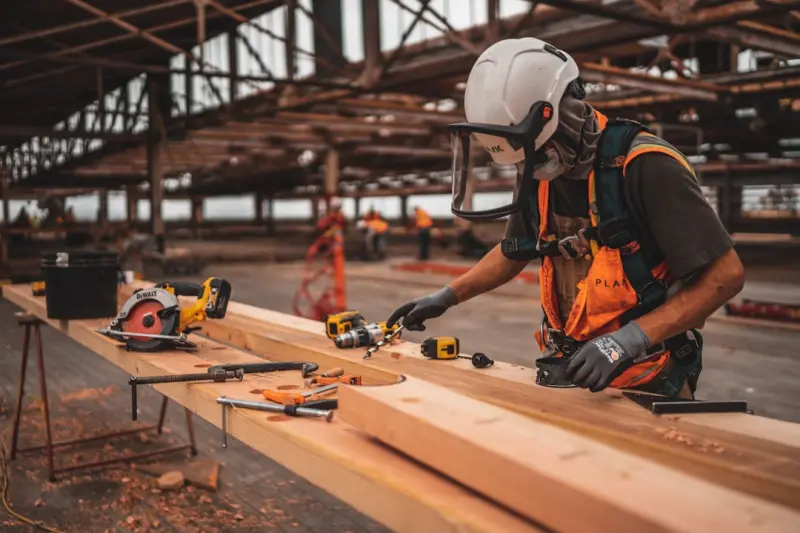
Prefabricated Modules: A Game‑Changer for General Contractors
Learn why modular construction is reshaping general contracting, from cost savings and faster schedu... Read More
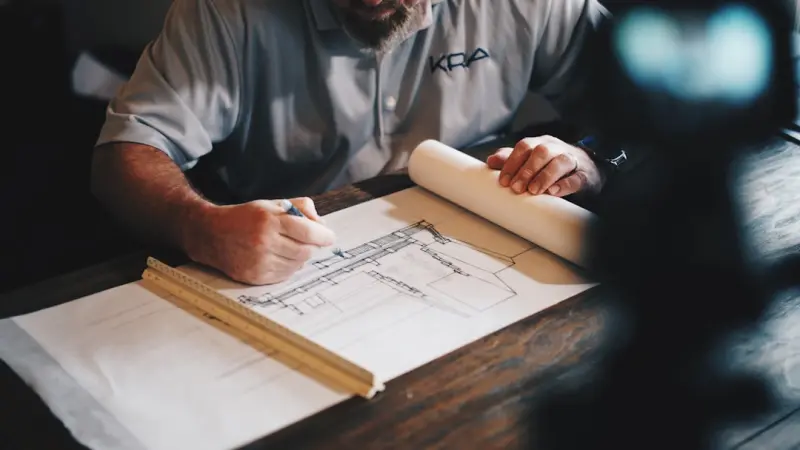
Beyond Blueprints: How General Contractors Are Turning Collaboration Into Competitive Edge
General contractors can boost performance by adopting Integrated Project Delivery, leveraging digita... Read More
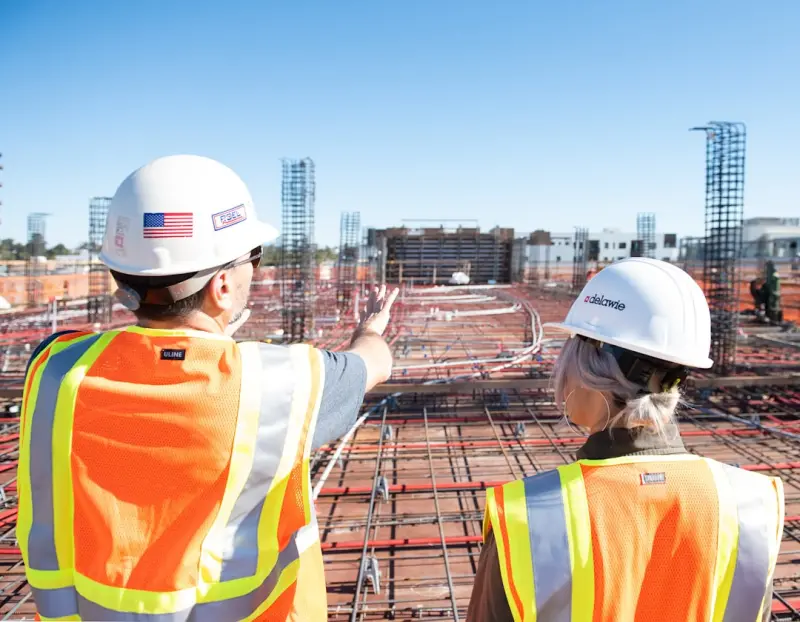
From Blueprint to Finish Line: How Contractors Can Streamline Project Timelines
Discover a contractor’s insider tactics for mastering project schedules, cutting downtime, and del... Read More
Top Posts
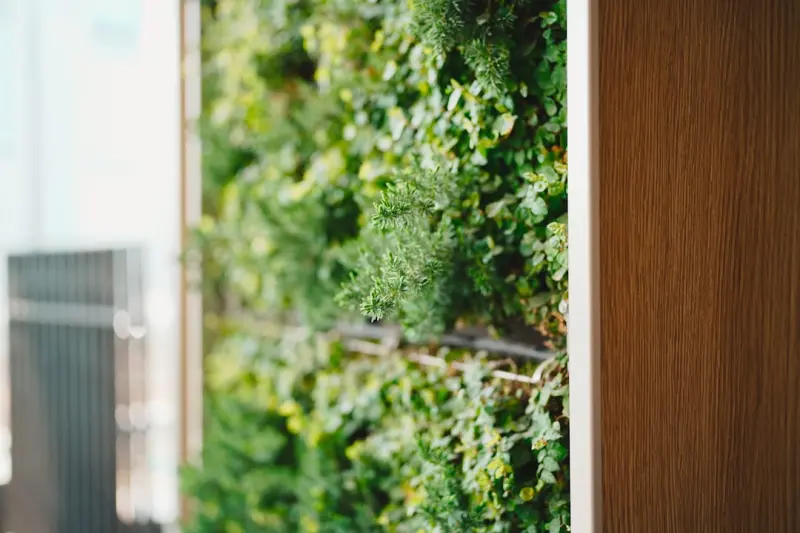
How Living Walls Transform Home Health and Productivity
Living walls turn ordinary walls into thriving ecosystems, offering space‑saving greenery, cleaner air, and a measurable boost to wellbeing and productivity....Read More

Eco‑Friendly Home Painting: A Sustainable Guide for Every DIY Enthusiast
Learn to paint sustainably with low‑VOC paints, waste‑cutting techniques, and eco‑friendly prep tips that boost comfort and reduce your carbon footprint....Read More

Mold Removal Mastery: A Pro’s Playbook for Healthy Spaces
A seasoned facilities expert shares a step‑by‑step playbook for diagnosing, eradicating, and preventing mold, turning remediation into a long‑term health ...Read More
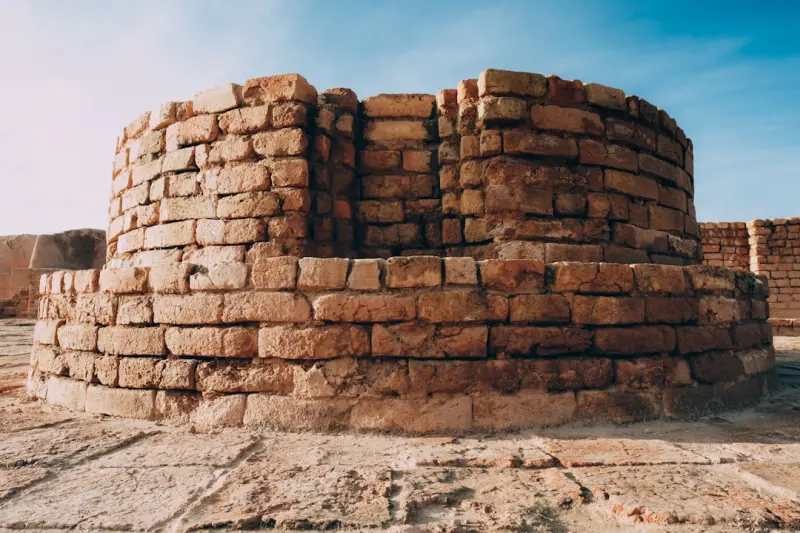
Reimagining Masonry: From Ancient Craft to High‑Performance Building Envelope
Masonry is undergoing a renaissance, merging ancient craftsmanship with carbon‑neutral materials, embedded sensors, modular construction, and digital twins to...Read More
0 Comments
Post Comment
You will need to Login or Register to comment on this post!