

Why Commercial Renovations Are No Longer Just About Aesthetics
When I first walked into a downtown office that had just been gutted, I realized the real value of renovation goes beyond fresh paint and sleek furniture. Business leaders now view the built environment as a strategic asset, a lever that can boost productivity, attract talent, and reinforce brand identity. The challenge is to align structural changes with measurable outcomes, not just to chase a passing design trend. This mindset shift forces us to ask hard questions about space utilization, employee well‑being, and long‑term financial return.
Mapping the Business Goals Before the First Demolition
Every successful commercial overhaul begins with a clear map of the client’s objectives, whether that means shortening sales cycles, improving cross‑team collaboration, or reducing energy costs. I sit down with stakeholders to translate vague aspirations into concrete metrics—like a 15 % increase in usable square footage or a 10 % cut in utility bills. By establishing these targets early, the renovation plan can be calibrated to deliver quantifiable benefits. This data‑driven approach also creates a solid narrative for the board, showing that each dollar spent is an investment with a predictable payoff.
Flexibility as a Core Design Principle
The modern workplace is no longer a static tableau; it must morph to support hybrid schedules, pop‑up events, and evolving team structures. I advocate for modular wall systems, movable furniture, and multi‑purpose zones that can be reconfigured with minimal disruption. When a space can pivot quickly, companies save on the hidden costs of future remodels. This flexibility also fosters a culture of agility, signaling to employees that the organization can adapt to market changes just as easily as it can rearrange a conference room.
Integrating Technology Without Overcomplicating
Technology is a powerful enabler, but the temptation to fill every surface with screens can create noise rather than clarity. I focus on solutions that blend seamlessly—occupancy sensors that adjust lighting, integrated acoustic panels that double as data hubs, and touch‑free entry points that improve flow. These upgrades are chosen for their ROI, not for novelty alone. For more ideas on blending tech with design, check out cutting‑edge tech upgrades, which illustrate how subtle enhancements can drive efficiency.
Acoustic Design: The Unsung Hero of Productivity
Open plans sound great on paper, but without proper acoustic treatment they become echo chambers that drain focus. I work with acoustic consultants to embed sound‑absorbing materials into ceilings, walls, and even flooring, turning noisy zones into quiet havens. The result is a measurable lift in employee concentration and a reduction in stress‑related absenteeism. By treating sound as a design element, businesses gain a silent yet powerful competitive edge.
Lighting That Works for Humans and Brands
Lighting has a profound impact on mood, alertness, and even brand perception. I prioritize a mix of natural daylight, tunable LED fixtures, and task‑oriented lighting that can be customized per department. Studies show that well‑lit environments can boost productivity by up to 20 %, and they also reinforce a company’s visual identity when color temperatures align with brand palettes. The goal is to create spaces that feel both energizing and on‑brand, without the glare that hampers comfort.
Materials That Tell a Story
Choosing the right surface finishes does more than protect walls; it communicates values. Exposed brick can suggest authenticity, reclaimed wood can signal sustainability, and high‑gloss surfaces can convey modernity. I often incorporate reclaimed elements that have a narrative, turning the renovation into a storytelling platform for visitors and employees alike. For inspiration on how material choice can become a narrative device, see material storytelling.
Balancing Cost Control with Future‑Proofing
Clients worry about overruns, yet skimping on critical systems can cost more in the long run. I employ a layered budgeting strategy: allocate a firm cap for structural work, a flexible reserve for technology integration, and a contingency for unforeseen challenges. By investing in durable, upgradable infrastructure—like raised flooring for future cabling—I help businesses avoid repeat disruptions. This disciplined financial planning ensures the renovation pays for itself through reduced downtime and lower maintenance expenses.
Streamlined Project Management Through Smart Partnerships
Coordinating trades, vendors, and approvals is a logistical maze that can stall progress. I rely on a vetted network of specialists who share a common language of timelines and quality standards. Real‑time collaboration tools keep every stakeholder aligned, reducing the need for endless email chains. For those interested in optimizing their contractor relationships, the guide on contractor workflow tips offers practical tactics that translate into smoother on‑site execution.
Measuring Success After the Dust Settles
The final step is to assess whether the renovation met its original goals. I implement post‑occupancy surveys, energy monitoring, and space utilization analytics to capture performance data. Comparing these metrics against the baseline established during planning validates the ROI and highlights areas for future improvement. This feedback loop turns a one‑time remodel into a continuous improvement program, ensuring the commercial space remains a catalyst for growth rather than a static backdrop.

Tom Ferguson is a Canadian freelance writer with a passion for storytelling, current events, and thoughtful commentary. Drawing on years of writing experience, he shares engaging insights on a wide range of topics, bringing a uniquely Canadian perspective to his work.
Related Posts

Commercial Renovations: Paul Gray’s Blueprint for Sustainable Success
Paul Gray shares his insider strategies for turning commercial spaces into sustainable, high‑retur... Read More
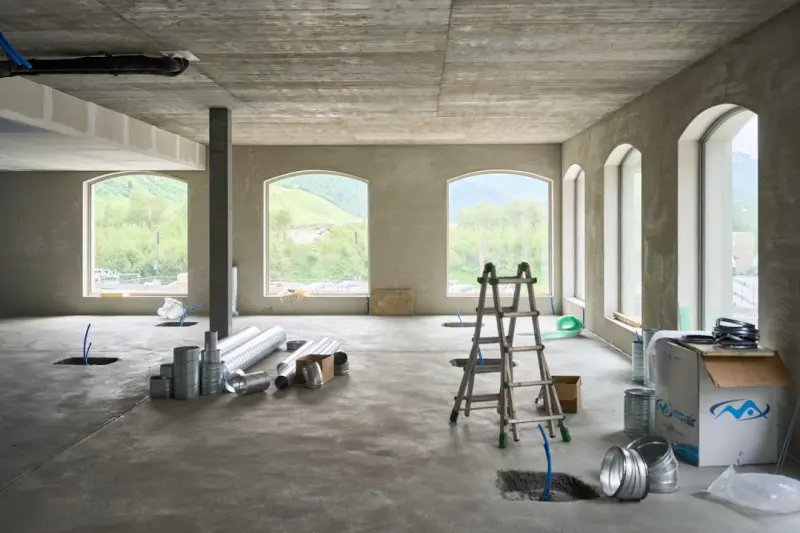
Reimagining Commercial Renovations: From Legacy to Living Assets
A deep dive into modern commercial renovation strategies, highlighting human‑centered design, circ... Read More
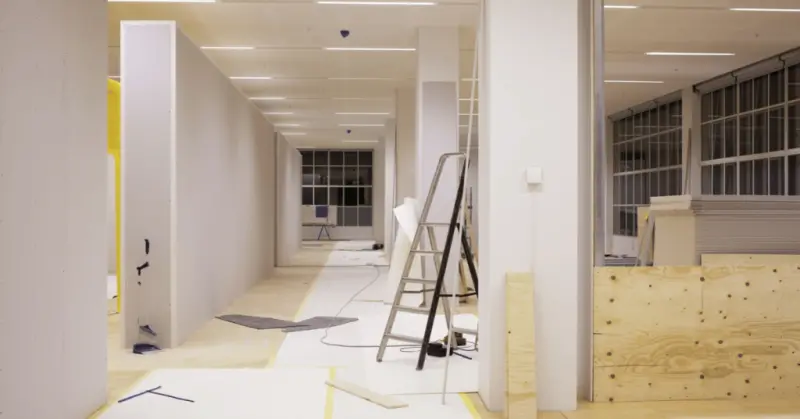
Renovating for Resilience: Future‑Ready Commercial Spaces
A practical guide to future‑proof commercial renovations, focusing on resilience, adaptive infrast... Read More
Top Posts

Why Phased Construction Is the Secret Weapon for Smart Home Renovations
Phased construction transforms large remodels into manageable steps, offering budget flexibility, reduced disruption, and better risk control—essential for an...Read More

Smart Snow Strategies: Turning Winter Chaos into Operational Advantage
Snow removal can be more than a seasonal chore. By leveraging sensors, predictive analytics, autonomous equipment, and eco‑friendly melt systems, facilities t...Read More
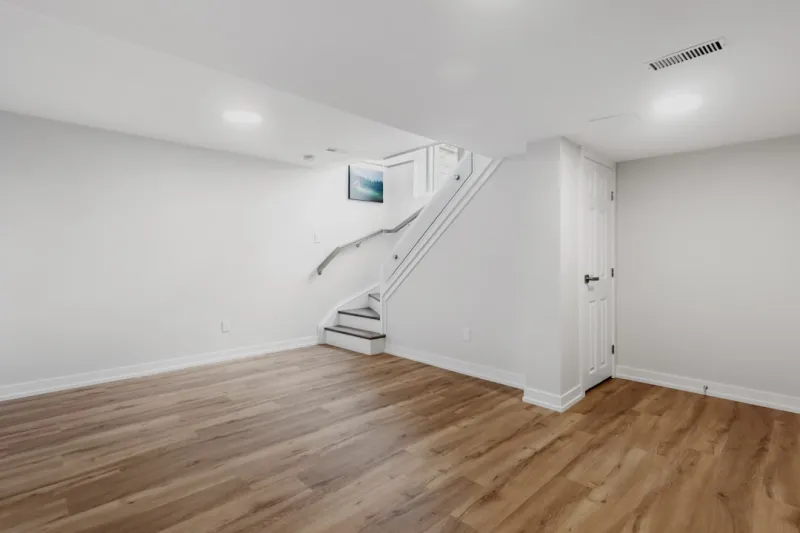
Transforming My Basement: A Sustainable Renovation Journey
A hands‑on walkthrough of turning a neglected basement into a stylish, sustainable living area, packed with insulation tricks, eco‑friendly finishes, and sm...Read More

The Intersection of Woodworking and Sustainable Living
Woodworking and sustainable living are closely intertwined. By choosing sustainable materials, minimizing waste, and designing with sustainability in mind, wood...Read More
0 Comments
Post Comment
You will need to Login or Register to comment on this post!