
Why Woodworking Is the Unexpected Hero of a Circular Economy
When I first set up my small shop on the edge of a maple forest, I thought I was merely chasing a hobby. What I didn’t anticipate was how deeply the act of shaping wood would intertwine with the global push toward circular design. Today, the grain beneath my hands is more than a material—it’s a conduit for waste reduction, carbon sequestration, and community resilience.
The Hidden Treasure in Every Off‑Cut
Most woodworkers are familiar with the familiar rhythm: rip, plane, joint, finish. But the real rhythm begins once the blade stops moving and the leftover pieces sit on the bench. Those slivers, ribs, and sawdust are often dismissed as waste, yet they hold the potential to become high‑value products.
- Micro‑laminated panels: By bonding thin veneer scraps with low‑VOC adhesives, you can create sturdy panels for cabinet backs or decorative wall art.
- Eco‑friendly composites: Mixing sawdust with bio‑resins yields lightweight, strong boards ideal for acoustic panels, garden edging, or even 3‑D printed molds.
- Natural pigments: Certain wood shavings, when boiled, release tannins that can be refined into earthy dyes for textiles or paints.
Seeing these possibilities reshapes how I plan each project. I now draft a scrap‑first layout before I even select a full‑size board, ensuring that every cut contributes to a secondary product line.
From Scrap to Market: Building a Mini‑Supply Chain
Turning waste into sellable goods isn’t just an artistic exercise; it’s a modest business model that can supplement income and deepen community ties. Here’s the workflow I’ve refined over the past few years:
- Inventory every off‑cut – I use a simple spreadsheet, tagging each piece by size, grain direction, and potential use.
- Prototype quickly – A few minutes of sanding and a dab of finish can reveal whether a scrap will hold up as a coaster or a decorative tile.
- Batch production – Once a prototype proves viable, I allocate a day each month to produce a small batch, keeping the operation lean.
- Local partnership – I’ve teamed up with a nearby café that loves to showcase locally made coasters. In return, they promote my workshop on their social feed.
- Feedback loop – Customer comments guide refinements, ensuring the product evolves with demand.
This loop mirrors the principles discussed in The Smart Restoration Workshop: Merging Tradition with Data, where technology augments craft without eclipsing it. By tracking scrap usage metrics, I can pinpoint which cuts yield the highest resale value and which ones need redesign.
Designing for Disassembly: A Forward‑Thinking Approach
When a piece of furniture reaches the end of its life, traditional design often consigns it to the landfill. I’ve started to reverse that narrative by embracing design for disassembly (DfD). The core idea is simple: use joinery that can be undone without damaging the wood, such as dowels, mortise‑and‑tenon, or concealed metal brackets.
By ensuring each component can be separated, future owners—or even I—can reclaim the wood for new projects. This practice not only extends material lifespan but also reduces the demand for virgin timber, a critical step toward preserving forest ecosystems.
Integrating Technology Without Losing the Soul
There’s a myth that high‑tech tools strip woodworking of its soul. In reality, strategic tech adoption can amplify sustainability. For instance, a compact CNC router can optimize nesting—arranging parts on a board to maximize material usage. This reduces waste by up to 30% compared to manual layout.
Yet, I never let the machine dictate the design. I start with a hand‑sketched concept, then feed it into the software for nesting. The result is a hybrid creation: the intimacy of hand‑craft paired with the efficiency of digital precision.
For those skeptical about merging old and new, the article DIY Home Repair: Practical Fixes You Can Master This Weekend offers a reassuring reminder that technology can be a toolbox, not a takeover.
Woodworking as a Climate Solution
Beyond waste reduction, woodworking actively contributes to climate mitigation. Wood stores carbon throughout its growth, and when it remains in use, that carbon stays sequestered. By extending the life of timber through repair, upcycling, and thoughtful design, we keep that carbon out of the atmosphere.
Moreover, replacing high‑energy materials—like concrete or steel—with wood in certain applications can lower a building’s embodied carbon. While my focus remains on small‑scale furniture and décor, I’m collaborating with a local architect to explore timber‑based interior partitions that serve both aesthetic and ecological goals.
Community Workshops: Scaling Impact
One of the most rewarding aspects of this journey is sharing knowledge. I host monthly “Scrap Sessions” where neighbors bring their wood leftovers and we collectively brainstorm new products. These gatherings foster a sense of ownership over local resources and inspire participants to view waste through a creative lens.
In one memorable session, a participant suggested turning pine shavings into biodegradable seed pots. Within weeks, we had a prototype that germinated seedlings perfectly. Today, a small batch of those pots is sold at the farmer’s market, with a portion of proceeds funding tree‑planting initiatives.
Balancing Aesthetics and Functionality
It’s easy to become enamored with the sustainability narrative and forget that people still want beautiful, functional items. The trick lies in marrying form and purpose. For example, I recently designed a set of coffee table insets made from reclaimed walnut veneer. Each inset slots into a base made of reclaimed pine, allowing users to swap patterns seasonally while preserving the underlying structure.
This modularity encourages longevity—owners can refresh the look without discarding the entire piece, echoing the circular philosophy while satisfying aesthetic cravings.
Future Trends: Biomimicry and Living Wood
Looking ahead, I’m fascinated by the intersection of biomimicry and woodworking. Imagine furniture that adapts to humidity, opening ventilation channels as the room gets damp—much like the way trees regulate water flow. Researchers are experimenting with “living wood” that incorporates fungal networks to self‑heal cracks.
While these concepts are still in early stages, they hint at a future where our crafted objects are not static but responsive, blurring the line between architecture and organism. Embracing such innovations will keep woodworking at the forefront of sustainable design.
Getting Started: A Simple Project for the Circular Mindset
If you’re curious about integrating circular principles into your own shop, try this starter project: Upcycled Wood Slice Coasters.
- Collect thin slices from the edges of boards you plan to discard.
- Sand each slice to a smooth finish, preserving the natural edge.
- Apply a food‑safe oil finish to protect against moisture.
- Package them in a reusable cloth bag, perhaps with a small card explaining the upcycling story.
This project is low‑cost, requires minimal tools, and instantly demonstrates the value of rethinking waste.
Conclusion: The Quiet Revolution of Circular Woodworking
Woodworking has always been a dialogue between the maker and the material. By expanding that conversation to include the environment, the community, and emerging technologies, we unlock a quieter, yet powerful, revolution. Every off‑cut, every reclaimed board, every thoughtfully designed joint becomes a statement: that sustainability isn’t a peripheral add‑on, but the very heart of craft.
So, the next time you stand before a pile of shavings, pause. See the possibilities, imagine the future, and let the grain guide you toward a more circular world.

When it comes to the world of blogging and writing, Rose DesRochers is a name that stands out. Her passion for creating quality content and connecting with her audience has made her a trusted voice in the industry. Aside from her skills as a writer and blogger, Rose is also known for her compassionate nature.
Related Posts
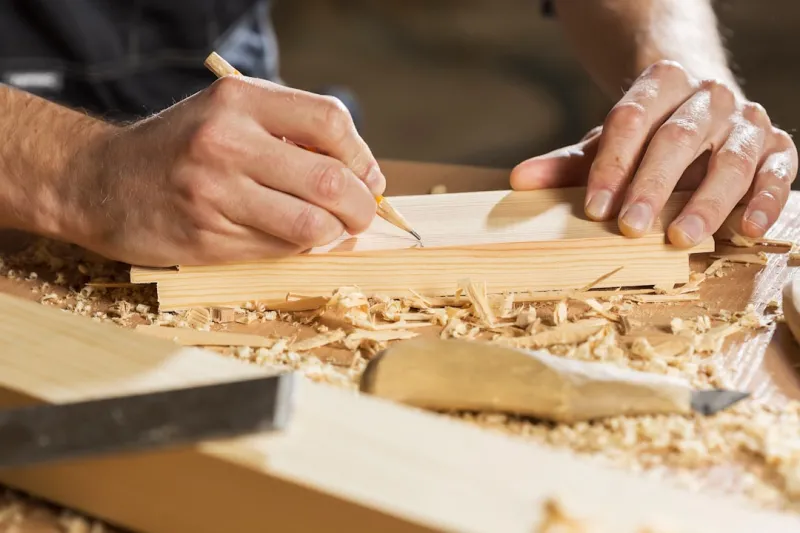
The Art of Woodworking: A Comprehensive Guide to Creating Beautiful Pieces
Woodworking is a timeless craft that involves creating beautiful and functional pieces of furniture,... Read More
Rediscovering Handcrafted Joinery: Why the Needle‑Nose Still Matters
A deep dive into the resurgence of hand‑cut joinery, showing how reclaimed timber, ergonomic works... Read More

Seeing is Cutting: How Augmented Reality is Transforming Woodworking
Augmented reality is reshaping the woodworking shop, offering real‑time visual overlays for cuts, ... Read More
Top Posts

The Importance of Foundation Repair in Sustainable Home Maintenance
Foundation repair is crucial for sustainable home maintenance. Learn how to prevent damage and ensure a greener future with eco-friendly materials and technique...Read More

The Triple‑S Guide to Countertop Design: Sensory, Sustainable, and Spatial Excellence
Discover how the Triple‑S Framework—Sensory, Sustainable, and Spatial—redefines countertop choices, blending tactile delight, eco‑friendly materials, an...Read More
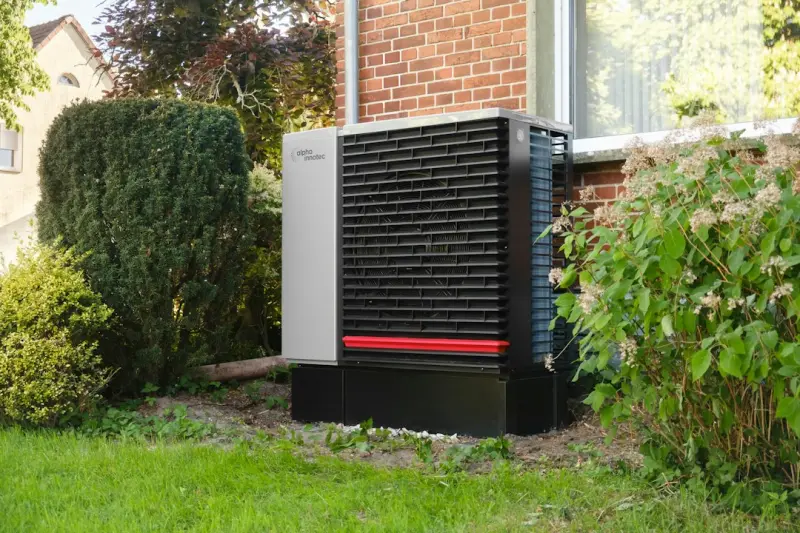
Hybrid Heat Pumps: Merging Renewable Power with Traditional HVAC for a Greener Future
Hybrid heat pumps combine modern renewable‑driven units with traditional backup heaters, delivering consistent comfort, lower utility bills, and reduced emiss...Read More

Permit Power: Turn Red Tape into Project Momentum
A seasoned contractor shares proven strategies to streamline permit approvals, leveraging digital tools, predictive analytics, and relationship building to keep...Read More
0 Comments
Post Comment
You will need to Login or Register to comment on this post!