
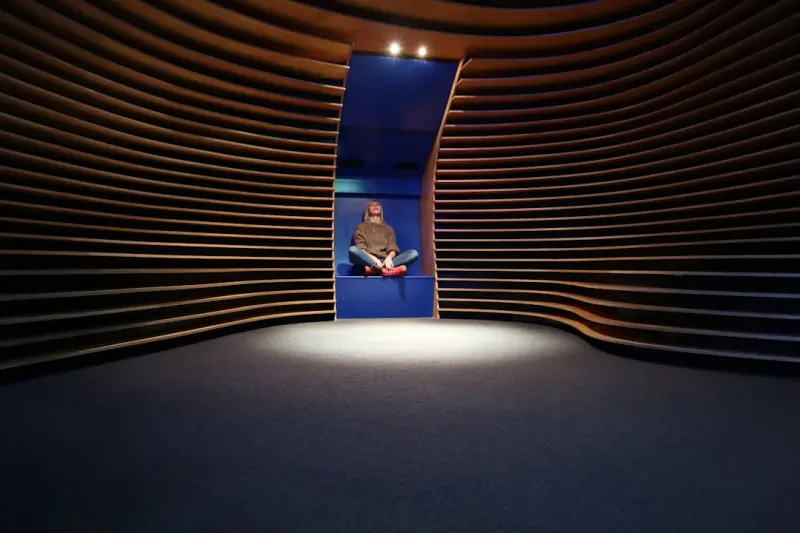
Reimagining Space: How Acoustic Architecture is Transforming the Way We Live and Work
When I first walked into a bustling open‑plan office in the early 2000s, I expected the constant hum of conversation, the clatter of keyboards, and the occasional coffee‑machine chatter to be the inevitable soundtrack of modern work life. Decades later, the conversation has shifted—not just about what we see in a building, but about what we hear. As architects, we’re learning that sound isn’t a by‑product; it’s a design element that can elevate comfort, productivity, and well‑being.
Why Sound Matters More Than We Thought
Sound travels through walls, ceilings, and floors, shaping the perception of a space before anyone even steps inside. In residential settings, a well‑tuned acoustic envelope can turn a cramped city apartment into a sanctuary. In commercial environments, it can be the difference between a collaborative hub and a noisy nightmare that drains employee morale.
Recent research from cognitive psychologists shows that background noise levels above 45 dB can impair concentration, while controlled ambient sound—think soft water features or gentle airflow—can improve focus and reduce stress. The implications for design are profound: if we treat acoustics with the same rigor we apply to daylighting or structural integrity, we unlock a new layer of human‑centric architecture.
The Core Principles of Acoustic Architecture
At its heart, acoustic design balances three variables:
- Absorption – Materials that soak up sound energy, reducing reverberation.
- Diffusion – Surfaces that scatter sound waves, preventing focal points of echo.
- Isolation – Strategies that block sound transmission between spaces.
Each variable interacts with the others, and the ideal mix depends on the programmatic intent of the building. A concert hall prioritizes diffusion and controlled reverberation, while a library emphasizes absorption and isolation. The challenge for us architects is to weave these strategies seamlessly into the visual language of the project.
Materials That Talk Back
Historically, acoustic treatments were relegated to exposed panels or bulky ceiling clouds that looked out of place in sleek interiors. Today, technology offers a palette of aesthetically pleasing solutions that blend form and function:
- Porous Gypsum Panels – Light, fire‑rated, and customizable in thickness, these panels provide high‑NRC (Noise Reduction Coefficient) values without sacrificing ceiling height.
- Recycled Wood Fiber Boards – Sustainable, tactile, and excellent at absorbing mid‑frequency noise, they bring warmth to modern spaces.
- Acoustic Fabric Wraps – Stretchable textiles that can be wrapped around structural columns, turning them into sound‑absorbing art pieces.
- 3‑D‑Printed Lattice Structures – Designed with parametric software to scatter sound waves, they become sculptural focal points while serving a technical purpose.
By selecting materials that align with the aesthetic intent, we eliminate the need for “after‑thought” acoustic add‑ons that often feel tacked on.
Integrating Acoustics Early in the Design Process
Too often, acoustic consultants are brought in after the floor plan is locked, leading to costly retrofits. My approach is to embed acoustic performance criteria into the schematic design stage:
- Define the Acoustic Program – Identify the desired sound level for each zone (e.g., 30 dB for private offices, 55 dB for collaborative lounges).
- Model Early – Use simulation tools like Odeon or CATT‑Air to predict reverberation times and sound transmission loss.
- Iterate the Spatial Layout – Position noise‑generating functions away from quiet zones, and consider “acoustic buffers” such as double‑height atriums or service cores.
- Select Materials in Tandem – Choose wall finishes, ceiling grids, and floor underlayments that meet both aesthetic and acoustic targets.
When we treat acoustics as a primary design driver, the result feels intentional, not remedial.
Case Study: A Biophilic Co‑Working Hub That Listens
One recent project—a multi‑tenant co‑working space in a repurposed warehouse—illustrates the power of acoustic architecture when paired with biophilic design. The client wanted an environment that felt both vibrant and restorative.
We introduced a layered strategy:
- Ceiling Clouds made from reclaimed timber slats, angled to diffuse sound while echoing the building’s original industrial grain.
- Living Green Walls that not only improved indoor air quality but also added a soft, absorptive surface to dampen mid‑frequency chatter.
- Acoustic Zoning – Quiet “focus pods” were isolated with double‑leaf glass and acoustic gaskets, while collaborative zones embraced a higher SPL (Sound Pressure Level) for energetic brainstorming.
Post‑occupancy surveys showed a 28 % increase in perceived acoustic comfort, and the space earned a spotlight for its innovative blend of ecology and design. The success reaffirmed my belief that when we give sound the same respect as light, we craft environments that truly nurture their users.
Beyond Walls: The Role of Structure and HVAC
Acoustic performance isn’t confined to surface treatments. The building’s structural system can act as a conduit for vibration. To mitigate this, we consider:
- Floating Floors – Decoupled from the slab, they prevent impact noise from traveling between levels.
- Acoustic Duct Linings – Similar to how air ducts need seasonal cleaning (see why), lining them with absorptive material reduces HVAC‑generated noise.
- Structural Isolation Pads – Placed between columns and beams, they break the path of vibrational energy.
By addressing the “invisible” pathways of sound, we prevent unwanted reverberation before it reaches the occupants.
Technology Meets Tactility: Parametric Acoustic Panels
Parametric design tools have revolutionized façade geometry; the same algorithms can generate acoustic panels with optimized diffusion patterns. By feeding acoustic performance data into a generative model, we produce panels that look like abstract art while delivering precise sound scattering. The result is a dual‑purpose element that satisfies both visual intrigue and acoustic rigor.
Future Trends: Adaptive Acoustic Envelopes
While we’re steering clear of “dynamic” terminology already used in other posts, there’s a subtle shift toward spaces that can modulate their acoustic properties on demand. Imagine a conference room that, at the press of a button, inflates a thin layer of acoustic foam to boost privacy, then retracts it for a more open feel. Such solutions blend mechanical ingenuity with design elegance, promising a new era where soundscapes are as configurable as lighting scenes.
Practical Tips for Architects Starting Their Acoustic Journey
1. Listen First – Spend time in the spaces you design. Notice how sound behaves, and let those observations inform your sketches.
2. Collaborate Early – Bring an acoustic consultant into the schematic phase. Their input can be as valuable as that of a structural engineer.
3. Prototype Material Samples – Test small sections of your chosen finishes in a real acoustic environment before committing to full‑scale installation.
4. Leverage Digital Simulations – Modern software can predict acoustic outcomes, saving time and money.
5. Educate Clients – Explain the ROI of acoustic comfort: improved employee productivity, reduced stress, and higher tenant satisfaction.
Conclusion: Sound as a Design Narrative
Architecture has always been about shaping experiences. Light, space, texture, and now, sound, are all chapters in that narrative. By treating acoustics as an integral, rather than an afterthought, we craft environments that not only look good but also feel right—places where conversations flow naturally, focus thrives, and occupants leave with a sense of calm.
In the coming years, I anticipate a surge in projects where acoustic performance is highlighted in marketing decks alongside sustainability metrics. The architects who champion this shift will be the ones who truly listen—to their clients, to their users, and to the spaces themselves.

David MacKinnon is a dynamic freelance writer known for his captivating storytelling and keen insights into the world of technology. With a passion for exploring the intersection of innovation and everyday life, he crafts engaging narratives that not only inform but also inspire his readers.
Related Posts

Designing Sensory Architecture: How Tactile, Light, and Sound Shape Tomorrow’s Spaces
Discover the power of sensory architecture—using touch, light, and sound—to create adaptable, hu... Read More

Designing for Cognitive Wellness: Architecture That Minds the Brain
A deep dive into designing spaces that support mental clarity, emotional balance, and productivity, ... Read More

Embracing Sustainable Architectural Design: A New Era for Modern Homes
Sustainable architectural design is no longer a niche concern; it's a critical aspect of modern cons... Read More
Top Posts

When the Washing Machine Won’t Spin: How AR Is Changing Appliance Repair
A deep dive into how augmented reality is reshaping appliance repair, improving technician efficiency, enhancing customer trust, and opening new revenue models ...Read More

Sustainable Flooring: A Key Component of Eco-Friendly Home Design
Sustainable flooring is a critical component of eco-friendly home design. Learn about the benefits and types of sustainable flooring, from reclaimed hardwood to...Read More

Sustainable Windows and Doors: A Guide to Energy-Efficient Home Upgrades
Explore the world of sustainable windows and doors, focusing on their benefits, types, and considerations for upgrading your home to a more energy-efficient and...Read More

Handyman Hacks: How AR and On‑Demand Platforms Are Redefining Home Repairs
Learn how modern handymen can combine augmented reality with on‑demand platforms to speed up jobs, improve client communication, and scale their business in t...Read More
0 Comments
Post Comment
You will need to Login or Register to comment on this post!