
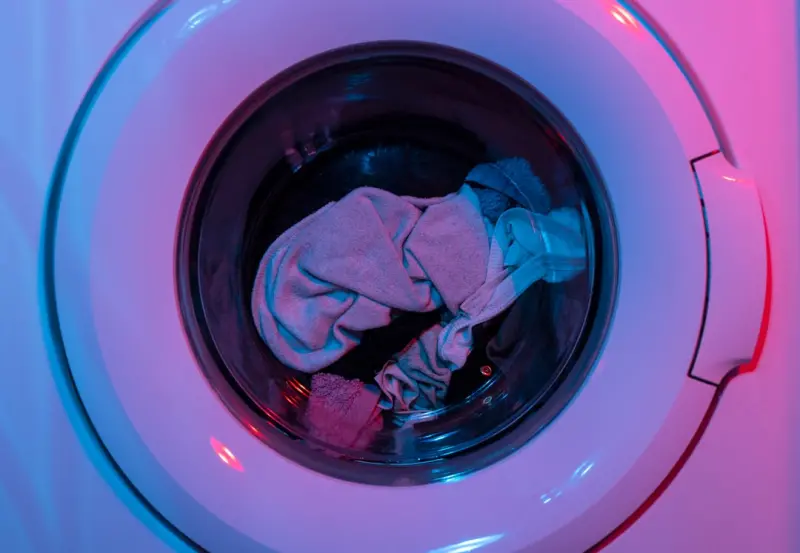
When the Washing Machine Won’t Spin: How AR Is Changing Appliance Repair
Picture this: it’s a Saturday morning, the coffee is brewing, and the family’s laundry cycle sputters to a halt. The dreaded “won’t spin” message flashes on the display, and you’re suddenly thrust into the familiar dilemma of whether to call a repair tech, toss the machine out, or embark on a DIY adventure you’ve never tried before. As someone who’s spent a decade juggling broken dishwashers, temperamental refrigerators, and a few temperamental thermostats, I’ve learned that the appliance repair landscape is on the cusp of a major transformation—one that’s less about “fix it yourself” and more about augmented reality (AR) as a collaborative tool.
In this post, I’ll walk you through why AR is the next big thing for appliance repair, how it’s reshaping the relationship between technicians and homeowners, and what this means for the bottom line of service businesses. Along the way, I’ll sprinkle in a couple of real‑world examples and internal resources that illustrate the shift from “breakdown” to “co‑creation”.
The Pain Points That Still Haunt the Industry
Before we dive into the shiny new tech, let’s acknowledge the stubborn challenges that have kept appliance repair feeling stuck for years:
- Diagnostic blind spots: Traditional troubleshooting relies heavily on the technician’s memory of symptom patterns. Even seasoned pros can miss subtle cues that point to a failing control board or a miswired sensor.
- Travel time and cost: Dispatching a truck to a suburban cul‑de‑sac only to discover a simple part is missing in the inventory wastes both time and money.
- Customer anxiety: Homeowners often feel powerless, watching a stranger dismantle their prized appliances without a clear explanation of what’s happening.
- Warranty and compliance headaches: Some manufacturers require documented steps for warranty claims, and manual paperwork can be a nightmare.
These friction points have been addressed in part by Smart Appliance Repair, which leans on sensors and data analytics to anticipate failures. However, the predictive model still leaves a gap when a device does break, and a human touch is required to physically intervene. That’s where AR steps in, bridging the digital and the tactile.
What Exactly Is Augmented Reality in This Context?
Augmented reality overlays digital information onto the real world through a device—usually a smartphone, tablet, or AR glasses. In appliance repair, the technician can point a camera at a refrigerator’s control panel and instantly see:
- A step‑by‑step visual guide that highlights which screws to remove, which wires to disconnect, and where to place replacement parts.
- Live sensor data streamed from the appliance, showing voltage levels, temperature readings, or error codes in real time.
- Annotations from the manufacturer’s knowledge base, automatically synchronized with the exact model number the technician scanned.
For the homeowner, AR can turn a bewildering repair into an interactive tutorial. Imagine holding your phone over the dishwasher, watching a translucent overlay that points out the clogged pump and suggests a quick cleaning technique—all without a professional stepping foot in the kitchen.
How AR Improves the Technician’s Toolkit
From a service‑provider perspective, AR is a force multiplier:
- Faster Diagnostics: By visualizing error codes in context, technicians cut down on guesswork. A study by a leading OEM showed a 30% reduction in diagnosis time when AR assistance was used.
- Reduced Parts Waste: When the technician can see a 3‑D model of the internal layout, they’re less likely to order the wrong part. This translates to fewer return shipments and lower inventory costs.
- Upskilling On‑The‑Job: New hires can follow guided overlays that teach them the nuances of a specific brand’s compressor or circuit design, accelerating the learning curve from months to weeks.
- Enhanced Documentation: AR apps can record a video of the repair with timestamps and annotated steps, automatically populating warranty claim forms and compliance logs.
These benefits echo the efficiencies championed in Quiet Fixes, but AR does the heavy lifting for the professional rather than the homeowner, creating a hybrid model where expertise is amplified, not replaced.
Homeowner Experience: From Passive Observer to Active Participant
One of the most underrated outcomes of AR integration is the emotional shift for the consumer. When a repair tech arrives, they’re no longer a mysterious figure in a jumpsuit; they become a co‑creator in the problem‑solving process. This transparency builds trust and opens doors for additional services:
- Education: Homeowners learn simple maintenance tasks—like cleaning a dryer vent—through short AR snippets, reducing future call‑outs.
- Upselling Opportunities: If a technician spots an aging component that could be upgraded for better efficiency, they can show a live comparison of energy consumption before and after the upgrade.
- Brand Loyalty: When customers feel they understand what’s happening under the hood, they’re more likely to stay with that service provider for future needs.
In short, AR transforms the repair visit into a collaborative workshop, turning anxiety into empowerment.
Real‑World Use Cases: Companies Already Testing the Waters
Several forward‑thinking firms have launched pilots that blend AR with traditional service models:
1. Remote Diagnosis via AR Mirrors
A leading refrigerator manufacturer introduced an “AR Mirror” feature within its mobile app. Homeowners launch the app, point their phone at the appliance’s interior, and a virtual mirror reflects the interior with highlighted problem zones (e.g., a clogged defrost drain). The technician watches the same feed in real time, offers verbal guidance, and decides whether an in‑person visit is truly needed. Early data suggests a 45% reduction in unnecessary dispatches.
2. Technician Glasses for Complex Installations
In a pilot with a commercial kitchen repair firm, technicians wore lightweight AR glasses that displayed schematics of a commercial oven’s gas valve system. The overlay showed torque specifications and warned when a wrench was misaligned. The result? Installation errors dropped from 7% to 1% over a three‑month period.
3. Subscription‑Based AR Support
A subscription service for high‑end appliances now offers “AR Concierge” support. For a flat monthly fee, members receive a virtual assistant that can guide them through routine cleaning, filter replacement, and minor part swaps—all via AR. This model not only generates recurring revenue but also prolongs the lifespan of expensive units, aligning with sustainability goals.
Implementation Challenges and How to Overcome Them
Adopting AR isn’t a plug‑and‑play affair. There are real hurdles that companies need to navigate:
- Hardware Compatibility: Not every technician carries a high‑end tablet. Solutions include lightweight, rugged Android devices that support the required AR SDKs.
- Content Creation: Building accurate 3‑D models for every appliance model is resource‑intensive. Partnerships with OEMs can provide CAD data, while crowdsourcing can fill gaps for older legacy units.
- Data Security: Streaming sensor data and video from a private home raises privacy concerns. End‑to‑end encryption and clear consent flows are essential.
- Training Adoption: Technicians may resist new tools. A phased rollout—starting with a “beta champion” group—helps surface usability issues and builds internal advocates.
When tackled thoughtfully, these obstacles become stepping stones toward a more resilient service operation.
Future Outlook: Beyond Repair to Proactive Service Ecosystems
The true power of AR lies in its ability to evolve from a reactive fix to a proactive service ecosystem. Imagine a scenario where:
- A smart dryer detects a motor temperature anomaly and sends a push notification to the homeowner.
- The homeowner opens the AR app, which instantly overlays the motor’s thermal map and suggests a cleaning procedure.
- If the homeowner opts for professional help, the AR system pre‑populates the service order with diagnostic data, ensuring the technician arrives with the right part and a clear action plan.
This closed‑loop process minimizes downtime, reduces waste, and creates a data‑rich environment that can feed back into product design. It’s a vision that dovetails nicely with sustainability targets and the growing demand for transparent, value‑added services.
Getting Started: A Pragmatic Roadmap for Service Companies
If you’re a repair firm considering AR, here’s a practical roadmap to get you moving:
- Assess Core Use Cases: Identify the most common breakdowns (e.g., “won’t spin” washers, “no cooling” refrigerators) and prioritize those for AR content.
- Partner with OEMs: Secure CAD files, wiring diagrams, and service manuals to accelerate model‑specific overlay creation.
- Choose an AR Platform: Evaluate platforms like Vuforia, Unity Reflect, or custom SDKs based on device compatibility and integration with your existing CRM.
- Develop Pilot Content: Start with a limited set of models and create high‑fidelity overlays. Test internally with a small technician crew.
- Gather Metrics: Track time‑to‑repair, parts usage, and customer satisfaction to build a business case for broader rollout.
- Scale Incrementally: Expand the model library, add remote support features, and explore subscription‑based AR concierge services.
Remember, AR is a tool—not a silver bullet. It shines brightest when it complements skilled technicians, amplifies their expertise, and delivers tangible value to the homeowner.
Conclusion: The Repair Revolution Is Already Here
From my early days swapping out faulty thermostats to today’s AR‑enhanced service calls, the arc of appliance repair has always bent toward smarter, faster, and more customer‑centric solutions. Augmented reality is the latest lever on that arc, turning each repair visit into a collaborative, data‑driven experience. For businesses, the upside is clear: lower costs, higher first‑time‑fix rates, and new revenue streams. For homeowners, it’s peace of mind and a deeper understanding of the machines that keep their lives running.
If you’re still skeptical, I encourage you to try a simple AR tutorial on a broken dryer vent. You’ll be surprised at how much you can accomplish before the first service tech even steps through the door. The future of appliance repair isn’t about replacing the human touch—it’s about enhancing it with the right mix of pixels and practical know‑how.

Craig Brett is a freelancer with a passion for the outdoors. His love for nature inspires his work, bringing authentic and engaging perspectives to projects related to outdoor activities, adventure, and environmental topics.
Related Posts
The DIY Diagnostic Revolution: Turning Appliance Failures into Data‑Driven Wins
A hands‑on guide to building a low‑cost diagnostic kit, spotting early warning signs, and creati... Read More
Why Remote Diagnostics Are the Future of Appliance Repair
Remote diagnostics turn appliances into proactive partners, letting technicians diagnose issues befo... Read More

Why Subscription-Based Appliance Repair Is the Future of Home Maintenance
Subscription-based appliance repair offers predictable fees, priority service, and regular maintenan... Read More
Top Posts

Tree Wellness: Soil Biology, Seasonal Rhythm, and Urban Heat Management
A deep dive into tree health that moves beyond pruning, focusing on soil biology, seasonal rhythms, and strategies to combat urban heat, offering practical, low...Read More
The Hidden Power of Insulation: Transform Your Home into a Sustainable Sanctuary
Explore why insulation is the cornerstone of a sustainable home, learn material choices, DIY tips, and maintenance strategies to maximize comfort and savings....Read More
When the Washing Machine Won’t Spin: How AR Is Changing Appliance Repair
A deep dive into how augmented reality is reshaping appliance repair, improving technician efficiency, enhancing customer trust, and opening new revenue models ...Read More
Why Mold Removal Should Be a Core KPI for Facility Managers
Treat mold removal as a measurable performance indicator. Learn how integrating mold metrics into your KPI dashboard can cut costs, improve health outcomes, and...Read More
0 Comments
Post Comment
You will need to Login or Register to comment on this post!