

When you think about home maintenance, the first things that come to mind are usually the roof, the foundation, or maybe the paint on the walls. Ductwork, however, sits quietly behind your walls and ceiling, silently moving air day in and day out. Over time, that invisible network becomes a repository for dust, pollen, pet dander, and even microscopic mold spores. A neglected duct system can turn your HVAC into a health hazard, a hidden source of allergens, and a costly energy drainer. In this post, I’m pulling back the curtain on why a seasonal deep‑clean of your home’s ducts isn’t a luxury—it’s a necessity for a healthier, more efficient living environment.
What Actually Lives Inside Your Ducts?
Most homeowners imagine ducts as simple metal tubes that merely transport heated or cooled air. In reality, they are complex pathways that intersect with every room, often winding through attics, basements, and crawl spaces. This makes them a perfect catch‑all for:
- Dust and lint—carried from the floors and furniture.
- Allergens—pollen, pet dander, and mold spores that settle on the interior walls.
- Biological growth—especially in humid climates, where condensation can nurture mold colonies.
- Rodent and insect debris—droppings, webs, and even tiny carcasses.
All of these contaminants cling to the duct interior, and when your system runs, they are redistributed throughout your home, often ending up in the very places you’re trying to keep clean.
Health Implications: More Than Just Dust Bunnies
Air quality inside the home can be up to five times worse than outdoor air, according to the EPA. When contaminated air circulates, it can aggravate asthma, trigger allergic reactions, and contribute to chronic respiratory issues. Here’s how a dirty duct system amplifies the problem:
- Allergen concentration: A single gram of dust can contain thousands of allergen particles. When the furnace fan runs, it stirs that dust back into the living space.
- Mold spores: Some mold species release mycotoxins that can cause headaches, fatigue, and even cognitive fog. These spores can survive for months inside the ducts.
- Microbial growth: Bacterial colonies can form on damp surfaces, creating a subtle but persistent odor that’s often mistaken for “musty” air.
For families with children, seniors, or anyone with pre‑existing respiratory conditions, the stakes are even higher. A clean duct system is an under‑appreciated line of defense for indoor health.
Energy Efficiency: The Hidden Cost of Grime
Beyond health, dirty ducts directly impact your energy bills. When airflow is restricted by built‑up debris, your furnace or air conditioner works harder to achieve the same temperature differential. The result? Higher utility costs and increased wear on critical components, shortening the lifespan of your HVAC system.
Studies show that a clogged duct system can reduce airflow by up to 30 %, leading to a 5‑10 % increase in energy consumption. Those percentages may look small, but over the course of a year they translate into hundreds of dollars—money that could be better spent on upgrades or savings.
Seasonal Timing: When to Schedule Your Deep‑Clean
Just as you change your furnace filter seasonally, your ducts deserve a thorough cleaning at strategic intervals:
- Spring: After winter’s heavy heating, dust and soot accumulate. A spring clean prepares the system for the upcoming cooling season.
- Fall: Before the heating season kicks in, remove pollen and outdoor debris that may have settled during summer.
- After major renovations: Construction dust can infiltrate the ductwork and remain hidden for months.
For most homes, a professional deep‑clean every three to five years is a good rule of thumb, with additional cleanings after significant events such as remodeling or pest infestations.
DIY vs. Professional: The Great Debate
There’s a growing market of DIY duct‑cleaning kits that promise quick results. While these can be useful for light maintenance, they rarely achieve the depth of a professional job. Here’s why:
- Equipment limitations: Professionals use high‑efficiency vacuum systems, rotary brushes, and air‑whip tools that reach deep into bends and elbows.
- Inspection capabilities: A certified technician can attach a camera to visualize the interior, identifying problem areas like cracked seams, mold, or wildlife nests.
- Safety protocols: Proper containment of dust and debris is crucial. Professionals use HEPA‑rated vacuums and seal off the system to prevent re‑contamination.
- Compliance: In many jurisdictions, certain cleaning methods must meet industry standards (e.g., NADCA). Certified technicians ensure the job adheres to these guidelines.
If you decide to go the DIY route, at minimum replace your HVAC filters with high‑MERV (Minimum Efficiency Reporting Value) versions and schedule a professional inspection within the next six months to confirm the system’s integrity.
Emerging Technologies: From UV Light to Smart Sensors
The duct‑cleaning industry isn’t static. New tools and tech are making the process more effective and data‑driven:
- UV‑C Light Integration: UV‑C lamps installed within the ducts can neutralize mold spores and bacteria as air passes through, providing continuous disinfection.
- Electrostatic Filters: These filters attract particles using static charge, capturing finer allergens than standard fiberglass filters.
- Smart Sensors: Modern thermostats can now monitor airflow pressure differentials. A sudden drop can trigger an alert, indicating the need for a cleaning before efficiency deteriorates.
- Video Inspection: High‑resolution cameras enable technicians to map the exact condition of each duct segment, producing a detailed report for homeowners.
When you pair a deep‑clean with these technologies, you create a synergistic system that not only removes existing contaminants but also prevents future build‑up.
Integrating Duct Hygiene with Broader Home Performance Strategies
A clean duct system should be part of an overall home performance plan. Think of it as a puzzle piece that fits alongside insulation upgrades, smart window treatments, and energy audits. For example, the new frontier of wellness and productivity discussed in recent posts emphasizes how controlling natural light can improve indoor comfort. Pairing that with clean air ducts maximizes both visual and respiratory comfort.
Similarly, when businesses adopt adaptive door solutions, they often consider airflow dynamics to maintain pressurization and security. Residential homeowners can adopt a similar holistic view—by ensuring that the airflow pathways are clean, you maintain proper pressure balance, reducing drafts and improving overall HVAC performance.
Cost Considerations: Is It Worth the Investment?
Professional duct cleaning services typically range from $300 to $600 for a standard single‑family home, with larger homes or complex systems costing more. While that’s a noticeable expense, consider the following ROI factors:
- Energy Savings: A 5 % reduction in heating/cooling costs can offset the cleaning cost within a year for many households.
- Extended Equipment Life: Reducing strain on the furnace or AC can postpone costly replacements by several years.
- Health Savings: Fewer allergy attacks mean fewer over‑the‑counter medications, doctor visits, and missed workdays.
- Resale Value: A documented clean‑duct history can be a selling point in a competitive real‑estate market.
When you calculate these benefits, the upfront cost becomes a strategic investment rather than a discretionary expense.
Step‑by‑Step Checklist for Homeowners
Here’s a practical guide to ensure you stay on top of duct hygiene:
- Inspect the Filters: Replace or clean filters every 1‑3 months, depending on usage and filter type.
- Schedule a Professional Inspection: Have a certified technician conduct a video inspection and airflow test at least once every five years.
- Plan Seasonal Cleanings: Align deep‑clean dates with spring and fall transitions.
- Upgrade to High‑MERV or Electrostatic Filters: This reduces particle circulation between professional cleanings.
- Consider UV‑C or Air‑Purification Add‑Ons: If you have severe allergies or a history of mold, these can provide continuous protection.
- Monitor Airflow with Smart Sensors: Many modern thermostats can alert you to pressure drops that suggest a cleaning is needed.
- Document the Process: Keep receipts and reports for future reference, especially if you’re planning to sell the home.
Case Study: The Ferguson Family’s Air Quality Turnaround
To illustrate the impact, let’s look at a real‑world example. The Ferguson family, living in a mid‑size suburban home, experienced persistent sneezing and a lingering musty odor despite regular filter changes. After a professional duct inspection revealed substantial mold growth in the attic ducts, they opted for a full deep‑clean, UV‑C installation, and a switch to HEPA‑rated filters.
Within two weeks, the family reported a marked reduction in allergy symptoms, and a follow‑up energy audit showed a 7 % decrease in heating costs during the winter months. Their home’s resale appraisal later noted “excellent HVAC maintenance,” contributing to a higher selling price.
Conclusion: Clean Ducts, Clean Living
While it’s easy to overlook the hidden network of ducts that keeps your home comfortable, the evidence is clear: regular deep‑cleaning is a cornerstone of indoor health, energy efficiency, and system longevity. By treating duct hygiene as a scheduled, data‑driven maintenance task—augmented with modern technologies—you protect your family’s well‑being and your wallet.
If you’ve been postponing that service, now is the time to act. Schedule a professional inspection, upgrade your filtration, and consider the next generation of UV‑C or smart‑sensor enhancements. Your lungs, your energy bill, and your home’s resale value will thank you.

Tom Ferguson is a Canadian freelance writer with a passion for storytelling, current events, and thoughtful commentary. Drawing on years of writing experience, he shares engaging insights on a wide range of topics, bringing a uniquely Canadian perspective to his work.
Related Posts
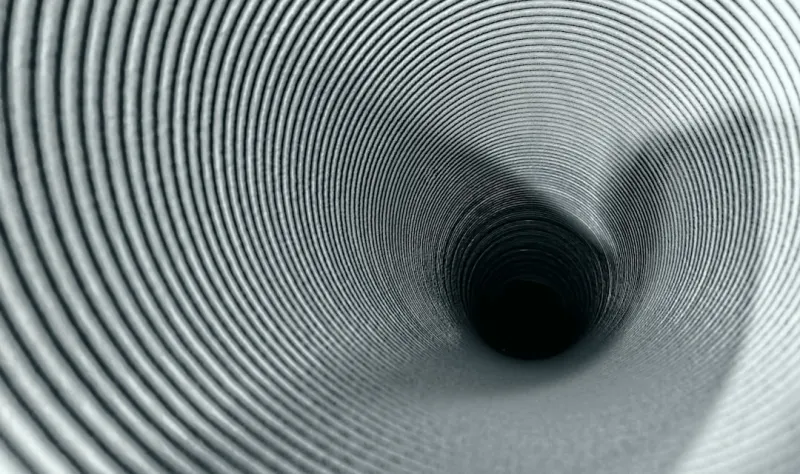
The Hidden Benefits of Duct Cleaning: How a Cleaner HVAC System Can Improve Your Home's Sustainability
Learn how duct cleaning can improve your home's sustainability, indoor air quality, and energy effic... Read More
Turning Duct Cleaning into a Strategic Asset for Facility Managers
Proactive duct cleaning isn’t just a maintenance task—it’s a strategic lever that reduces ener... Read More
Predictive Duct Maintenance: Turning Hidden Airways Into Strategic Assets
Predictive duct maintenance leverages IoT sensors and analytics to anticipate cleaning needs, reduce... Read More
Top Posts

Wallpaper Gets Wired: Turning Walls into Interactive Assets
Discover the rise of smart wallpaper that integrates QR codes, NFC tags, and sensors, turning decorative walls into interactive assets that boost engagement, ef...Read More

The Data‑Driven Playbook Every Facility Leader Needs for Foundation Repair
A data‑first approach to foundation repair turns hidden risks into measurable savings. Discover a step‑by‑step playbook that integrates sensors, digital t...Read More

Reclaiming Heritage: How Reused Wood Breathes New Life into Home Restoration
Explore the power of reclaimed wood in home restoration, from sourcing and preparation to design strategies that blend historic character with modern sustainabi...Read More
Embracing Sustainable Practices in Commercial Renovations
Sustainable commercial renovations are no longer a niche consideration; they've become a business imperative. Learn how businesses can prioritize sustainability...Read More
0 Comments
Post Comment
You will need to Login or Register to comment on this post!