
Why Tree Care Needs a Technological Overhaul
When I first stepped onto a property with a mature oak, my mind drifted back to the old‑school arborist handbook—pruning shears, a ladder, and a lot of guesswork. Decades later, the same tree faces new pressures: climate volatility, urban encroachment, and increasingly complex liability concerns. The answer isn’t more manual labor; it’s a shift toward data‑rich, remote‑sensing tools that let us read a tree’s health the way a doctor reads a patient’s vitals.
From Ground‑Based Observation to Aerial Intelligence
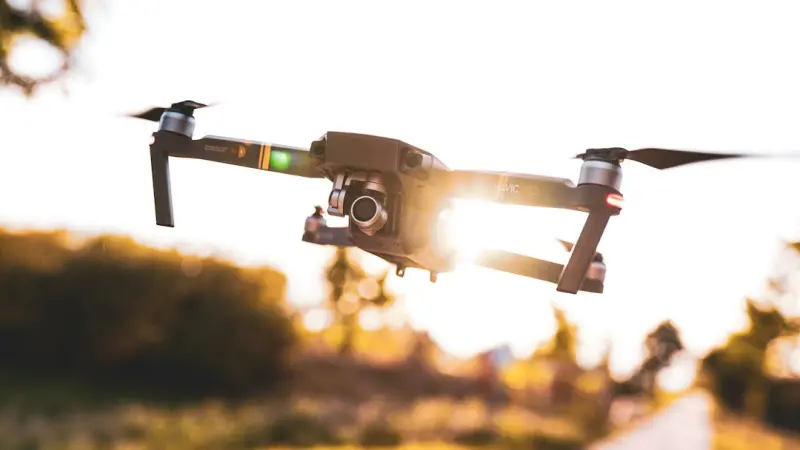
Traditional tree inspections rely on a trained eye and a sturdy harness. While expertise remains irreplaceable, the sheer scale of modern landscapes—from corporate campuses to municipal streetscapes—demands a broader, more scalable perspective. This is where drones equipped with multispectral cameras enter the conversation. By flying a grid over a canopy, these devices capture data beyond what the human eye can see: chlorophyll fluorescence, water stress indices, and even early signs of pest infestation.
Imagine a city arborist receiving a weekly dashboard that flags a 12% drop in vigor on a row of maples. The system pinpoints the exact GPS coordinates, suggests a targeted treatment, and even predicts the optimal pruning window based on projected weather patterns. No more blanket spray programs, no more costly “wait‑and‑see” approaches.
IoT Sensors: The Tree’s Personal Health Tracker
While drones provide snapshots, IoT (Internet of Things) sensors deliver continuous monitoring. Small, solar‑powered devices can be attached to the trunk or nestled among the roots to log temperature, humidity, soil moisture, and sap flow. The data streams into a cloud platform where machine‑learning models translate raw numbers into actionable insights.
- Early Stress Detection: A sudden dip in sap flow can indicate drought stress before leaves start to wilt.
- Pest Alert: Vibrational patterns captured by the sensor can reveal beetle activity, allowing for precise, low‑impact interventions.
- Growth Forecasting: By correlating historic growth rings with sensor data, we can forecast a tree’s expected growth trajectory for the next decade.
The real power lies in aggregation. When dozens of trees feed their data into a single platform, patterns emerge that would be invisible at the individual level. Facility managers can then allocate resources—water, fertilizer, labor—more efficiently across the entire green portfolio.
Artificial Intelligence: Turning Raw Data into Decisions
Collecting data is only half the battle; interpreting it at scale is where artificial intelligence shines. Deep‑learning models trained on thousands of annotated images can differentiate between a healthy leaf and one compromised by fungal disease with 94% accuracy. When coupled with the temporal data from IoT sensors, AI can forecast disease spread, recommend preemptive treatments, and even suggest the most cost‑effective pruning strategy.
One of my recent projects involved training a convolutional neural network on a dataset of oak crown images labeled for “branchlet dieback.” The model learned to flag at‑risk branches that were invisible to the naked eye, allowing crews to intervene before structural failure. The result? A 30% reduction in emergency tree removal costs for a corporate campus.
Decentralized Stewardship: Empowering Local Teams
Historically, tree care decisions were centralized—often outsourced to a single contractor who handled all aspects from planting to removal. With real‑time data, however, responsibility can be distributed. Front‑line staff equipped with a tablet can see the health score of each tree, receive push notifications about urgent issues, and log actions taken on the spot. This democratization of information not only speeds up response times but also builds a culture of stewardship across the organization.
Consider a manufacturing plant with an expansive green buffer zone. Instead of waiting for a quarterly external audit, the on‑site safety officer can receive an alert the moment a sensor detects a sudden drop in soil moisture. A quick irrigation cycle is triggered automatically, protecting both the trees and the facility’s compliance standing.
Integrating Tree Care into the Broader Sustainability Agenda
Tree canopies are more than aesthetic assets; they are carbon sinks, microclimate regulators, and biodiversity corridors. By aligning tree‑care initiatives with broader sustainability programs, organizations can unlock additional value streams. For instance, data from IoT sensors can feed into a building’s energy management system, allowing the HVAC controller to adjust cooling loads based on real‑time shade availability.
In practice, a corporate headquarters integrated its canopy‑health platform with its energy‑efficient roof technologies. When the system detected a decline in leaf density—meaning reduced shading—the building’s automated blinds closed earlier in the day, mitigating the impact on interior temperatures and preserving occupant comfort.
Resource‑Positive Practices: Closing the Loop
Tree care isn’t isolated from the construction world; the two intersect whenever pruning or removal generates biomass. Instead of treating that material as waste, forward‑thinking firms are repurposing it into building products—think cross‑laminated timber panels or bio‑char for soil amendment. This approach mirrors the philosophy behind resource‑positive building practices, where every by‑product finds a second life.
One case study I consulted on involved converting pruned limbs from a municipal park into a low‑cost, fire‑resistant panel used in a nearby community center. Not only did the project slash disposal fees, it also created a tangible narrative that tied the city’s green infrastructure directly to its built environment.
Regulatory Landscape and Risk Management
As tree data becomes more granular, regulators are beginning to demand higher standards of documentation and accountability. Liability insurance carriers are also looking for evidence that an organization is proactively managing tree risks. A comprehensive digital tree‑health record—complete with sensor logs, drone imagery, and AI‑generated risk scores—serves as both a compliance dossier and a risk‑mitigation tool.
Moreover, insurers are offering premium discounts to firms that demonstrate a data‑backed stewardship program. By investing in the technology stack now, organizations can lock in lower insurance costs for years to come.
Implementation Roadmap: From Pilot to Enterprise Scale
Transitioning to a data‑centric tree‑care model may feel daunting, but a phased approach eases the journey:
- Assessment: Identify high‑value trees (e.g., those near critical assets) and map existing maintenance workflows.
- Pilot Sensors: Deploy a small batch of IoT devices on a representative sample to validate data quality.
- Drone Survey: Conduct an initial aerial scan to establish a baseline canopy health model.
- Analytics Platform: Integrate sensor streams and drone imagery into a cloud‑based dashboard, customizing alerts for your organization’s risk tolerance.
- Training & Governance: Empower on‑site teams with mobile access, and establish clear SOPs for data‑driven decision making.
- Scale Up: Expand sensor coverage, refine AI models, and embed tree health metrics into broader ESG reporting frameworks.
Each phase should be measured against clear KPIs—reduction in emergency removals, water usage efficiency, and cost per maintenance hour—to ensure a tangible return on investment.
The Human Element: Keeping Expertise in the Loop
No amount of technology can replace the nuanced judgment of a seasoned arborist. The goal is to augment, not replace, that expertise. By feeding arborists richer datasets, we enable them to focus on high‑impact decisions rather than routine inspections. The partnership between human experience and machine precision creates a synergy that elevates tree stewardship to a strategic asset.
Looking Ahead: The Next Generation of Tree Care
Future advancements promise even tighter integration. Edge‑computing nodes could process sensor data locally, enabling sub‑second reaction times for automated irrigation. Satellite‑based hyperspectral imaging may soon complement drone surveys, offering city‑wide health snapshots at a fraction of the cost.
Ultimately, the vision is a living, breathing network where every tree talks to the building, the utility grid, and the people who work beneath its shade. By embracing data, aerial intelligence, and decentralized action, we turn tree care from a reactive chore into a proactive, value‑adding discipline.

Paul Gray is a dynamic blogger based in Brampton, where he shares his life with his amazing wife, Sarah. Known for his engaging writing style and relatable insights, Paul has carved out a niche in the blogging world that resonates with readers from all walks of life. When he's not crafting captivating posts, you can find him savoring a cold beer or indulging in the latest blockbuster movie. With a friendly demeanor and a passion for storytelling, Paul brings a unique perspective to his work, making him not just a blogger, but a voice for those who appreciate the simple joys of life.
Related Posts
Smart Tree Care: Tech‑Driven Strategies for a Sustainable Home
Explore how modern technology, seasonal pruning, and soil health can transform tree care into a sust... Read More
Cultivating Resilient Urban Forests: A Tree Care Blueprint for Sustainable Property Management
A deep dive into why trees are essential to sustainable property management, covering placement, hea... Read More
Tree Care as a Strategic Asset: From Soil to Skyline
A deep dive into practical tree care: early warning signs, seasonal pruning, soil health, tech‑ena... Read More
Top Posts
Adaptive Reuse: Turning Legacy Buildings into Future‑Ready Commercial Spaces
Adaptive reuse lets businesses preserve cultural heritage, cut costs, and boost sustainability. Learn the strategic steps, technology tools, and design principl...Read More
Designing a Sustainable Smart Sanctuary: Trends That Transform Your Home
Explore how eco‑friendly materials, smart window treatments, and multifunctional furniture combine to create a sustainable, tech‑forward sanctuary in any ho...Read More

The Plasterer's Playbook: Mastering Texture, Efficiency, and Eco‑Smart Techniques
Explore how modern plastering blends texture, eco‑smart mixes, and smart tools to transform walls into durable, high‑value design features....Read More

Bathroom Renovations: Where Function Meets Fashion
Bathroom renovations can be a complex and challenging process, but with the right approach, you can create a space that's both beautiful and functional. Learn h...Read More
0 Comments
Post Comment
You will need to Login or Register to comment on this post!